
What to Do When Your Dog Gets Stung by a Bee on a Hike
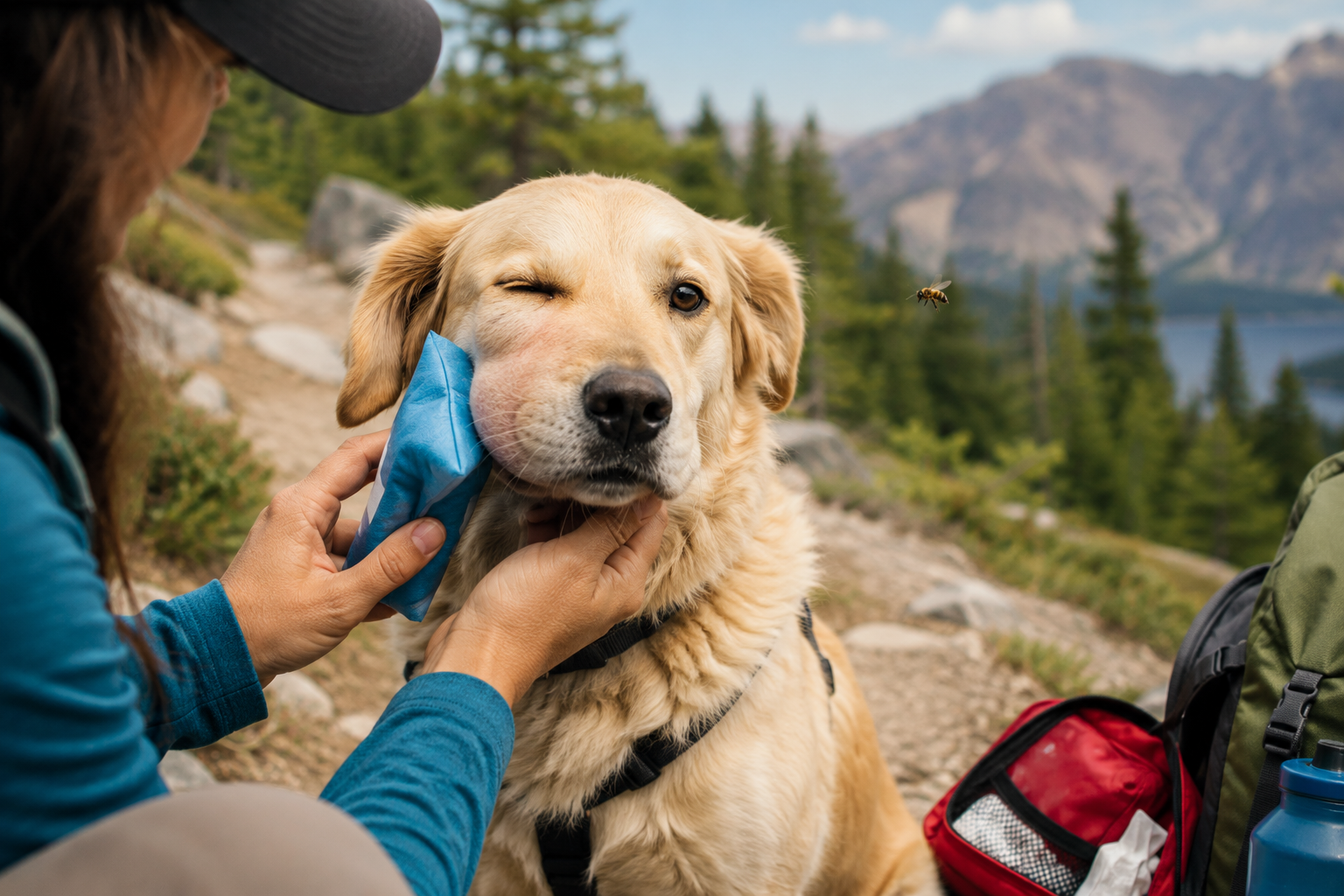
A bee sting can happen fast on the trail, especially when a curious dog sniffs flowers, tall grass, brush, or buzzing insects. If your dog gets stung, move them away from the area, check for a stinger, scrape it away if visible, apply a cold compress, and monitor closely for serious reaction signs like facial swelling, vomiting, weakness, collapse, or breathing trouble. For everyday trail care, GCP Flea & Tick Natural Defense for Dogs can support your dog’s natural seasonal defense routine from within as part of a broader outdoor wellness plan that includes grooming, paw checks, coat checks, fresh water, and regular veterinary guidance.
Why Bee Stings Happen During Outdoor Adventures
Hiking with your dog is one of the best ways to enjoy fresh air, movement, and bonding time. Your dog gets to sniff new scents, explore new paths, and enjoy the kind of outdoor enrichment that makes tails wag from start to finish. But trails also come with unpredictable moments. A dog can step near a flower patch, sniff under brush, investigate a buzzing sound, or paw at something moving in the grass before you even realize a bee is nearby.
Bee stings are common outdoor surprises because dogs lead with curiosity. Their nose, paws, and mouth are often the first parts of the body to explore the world. That is why stings often happen around the muzzle, lips, paws, legs, or belly. A sudden yelp, quick jump, intense licking, pawing at the face, or limping can be the first sign that something happened.
Most mild stings cause local discomfort, but pet parents should still take them seriously. A study on Hymenoptera venom allergy in dogs found that insect sting reactions can vary in severity, including systemic reactions in some dogs. This does not mean every sting becomes an emergency, but it does remind dog parents to monitor closely and know when veterinary care is needed.
Outdoor adventures should still be fun, but preparation matters. When you know what to do in the first few minutes, you can stay calmer, help your dog settle, and make better decisions about whether to continue the hike, head home, or seek veterinary help.
Step 1: Stay Calm and Check the Sting Area
The first step is to move your dog away from the area where the sting happened. If one bee is nearby, there may be others around flowers, tall grass, fallen fruit, trash bins, picnic areas, logs, or hidden nests. Guide your dog to a safer spot on the trail and keep your voice calm. Dogs often respond to our energy, so staying steady can help prevent the situation from feeling more stressful.
Next, look for the affected area. If your dog is licking one paw, holding it up, or limping, check between the toes and paw pads. If they are rubbing their face, pawing at their mouth, or drooling more than usual, check the muzzle, lips, and surrounding area carefully. If your dog was snapping at a bee, pay extra attention to the mouth and throat area, since stings there can be more concerning.
If you see a stinger, scrape it away with a rigid card, ID, or similar flat object. Avoid squeezing it with tweezers, because squeezing may push more material into the skin. If you do not see a stinger, do not dig into the skin. Not every sting leaves a visible stinger, and digging can irritate the area more.
Once you have checked the spot, encourage your dog to rest. Keep them from licking or chewing at the area as much as possible. A calm pause gives you time to see whether the reaction stays mild or starts to look more serious.
Step 2: Soothe the Area and Let Your Dog Rest
After checking for a stinger, focus on comfort. If you have clean water, gently rinse the area. Then apply a cold compress if your dog allows it. On a hike, this might be a damp cloth, a towel wrapped around a cold water bottle, or a cold pack from your bag wrapped in fabric. Never place ice directly on your dog’s skin.
Use the compress for short periods and watch your dog’s reaction. Some dogs will tolerate it well, while others may pull away. Do not force the compress if your dog becomes more upset. The goal is to support comfort, not create another stressful moment.
Give your dog a break in the shade and offer fresh water. Avoid rushing back into the hike right away. Even if the sting seems mild, your dog may feel sore, startled, or sensitive for a little while. If the sting is on the paw, walking may feel uncomfortable, so shortening the hike or heading home may be the kindest option.
Try to limit activity for the next few hours. Running, jumping, or continuing a long trail walk may make the area more irritated. A quiet rest period lets you monitor your dog more carefully and helps you notice if swelling or behavior changes.
Step 3: Watch for Serious Reaction Signs
The most important part of bee sting care is knowing when the situation is no longer mild. A little swelling, licking, or tenderness near the sting site can happen. However, facial swelling, swelling around the neck, breathing changes, vomiting, weakness, collapse, pale gums, or sudden extreme lethargy should be treated as urgent.
If your dog shows any of these signs, go to the nearest emergency veterinarian right away. Do not wait to see if it passes. Reactions can change quickly, and professional care is the safest option when symptoms are severe or unusual.
Stings inside the mouth, on the tongue, or near the throat are also more concerning because swelling may affect breathing or swallowing. If you suspect your dog was stung in the mouth or throat, treat it as urgent and contact an emergency veterinarian immediately.
If your dog has a known history of serious sting reactions, speak with your veterinarian before future hikes. Ask what you should carry, what signs to watch for, and whether your dog needs a specific emergency plan. Do not rely on general internet dosage advice for medications, because your dog’s weight, health history, and other medications matter.
Bee Sting Response Guide for Dog Parents
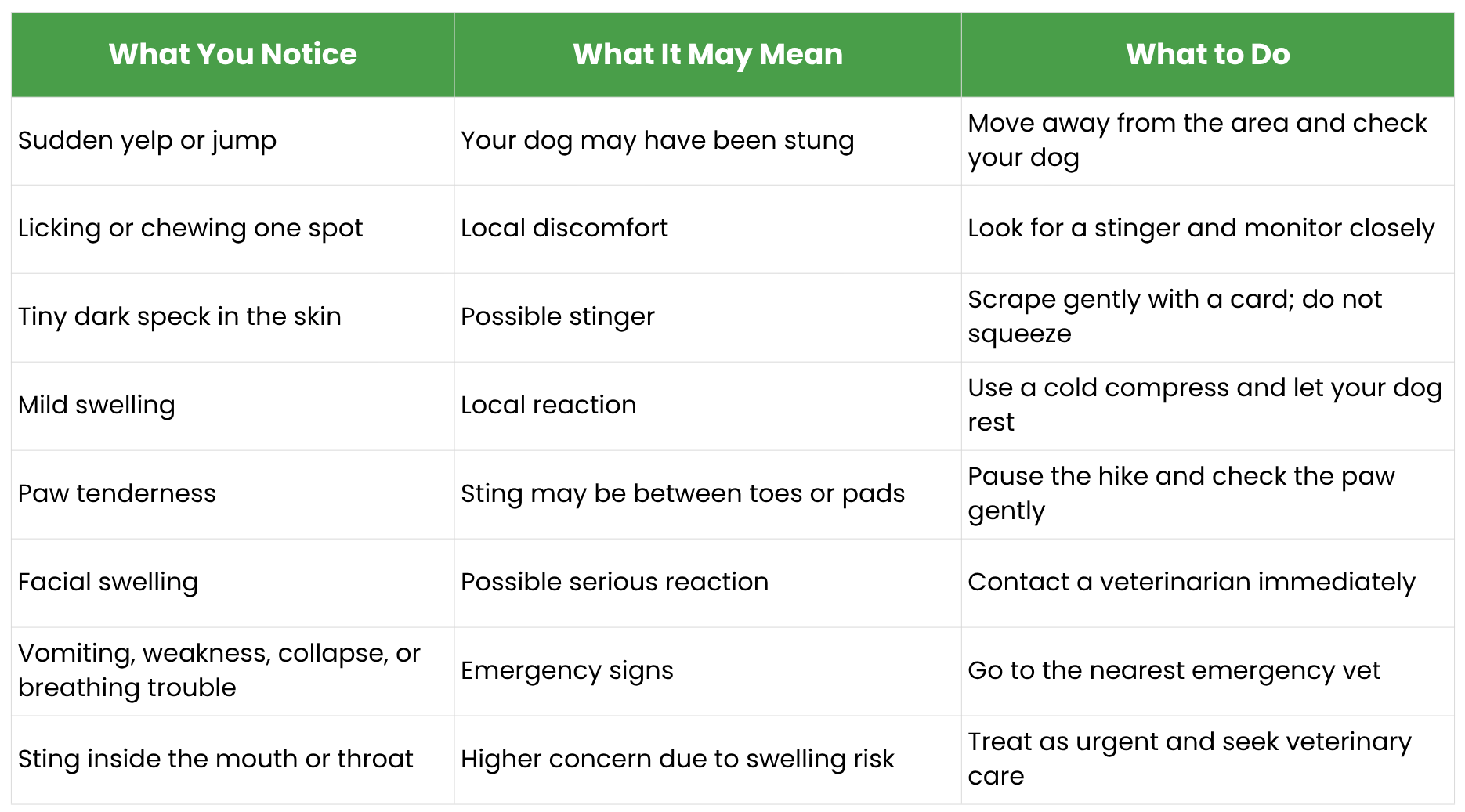
This guide is not a replacement for veterinary care, but it can help pet parents respond more clearly in the moment. Mild local reactions and serious whole-body symptoms are very different situations, and the safest choice is always to contact your vet if something feels wrong.
Supporting Your Dog’s Outdoor-Season Routine
Once the immediate sting situation is handled, it is helpful to think about the bigger outdoor routine. Dogs who hike, walk trails, roll in grass, sniff through brush, and spend time in the yard come into contact with many seasonal elements. Bee stings are only one type of trail-time surprise. Outdoor-loving dogs also need regular grooming, paw checks, coat checks, clean bedding, fresh water, and consistent seasonal wellness support.
This is where GCP Flea & Tick Natural Defense for Dogs fits naturally into the story. It is a chicken-flavored soft chew designed to support your dog’s natural seasonal defense routine from within. For dogs who enjoy hiking, grass time, patios, parks, trail walks, and backyard play, it can be part of a daily outdoor-season care plan.
The best way to think about it is as one layer of support. It does not replace first aid, grooming, coat checks, veterinary guidance, or any product your veterinarian recommends. Instead, it works alongside those habits. Give it as directed, keep your dog’s bedding clean, brush regularly, check paws after hikes, and stay observant after outdoor time.
A good outdoor routine is simple and consistent. Before the hike, pack water and know where the nearest vet clinic is if you are going far from home. During the hike, avoid areas with heavy bee activity and watch where your dog sniffs or steps. After the hike, check their paws, coat, ears, belly, and tail area. Daily seasonal support can help round out that routine from within.
Frequently Asked Questions
-
Do not give Benadryl or any medication unless your veterinarian has already given you the correct dose for your dog. Some human products contain added ingredients like decongestants or pain relievers that may be unsafe for dogs.
Stay Prepared for Trail-Time Surprises
A bee sting can be stressful, but a calm plan makes the moment easier. Move your dog away from the area, check for a stinger, scrape it away if visible, soothe the site with a cold compress, and monitor closely for any serious reaction signs. If your dog has facial swelling, vomiting, weakness, collapse, breathing trouble, or a sting inside the mouth or throat, seek emergency veterinary care right away.
Outdoor adventures are worth enjoying, and preparation helps make them safer. Bring water, watch your dog around flowers and tall grass, check their coat and paws after hikes, and keep a consistent outdoor-season routine. With smart trail habits and daily support from GCP Flea & Tick Natural Defense for Dogs, you can help your dog enjoy fresh-air moments with more confidence and care.
GCPFlea & Tick Natural Defense for Dogs
GCP Flea & Tick Natural Defense for Dogs is a chicken-flavored soft chew designed to support your dog’s natural seasonal defense routine from within. It fits easily into daily outdoor-season care, especially for dogs who enjoy walks, hikes, grass, patios, parks, and backyard play.
Benefits:
-
Supports your dog’s natural seasonal defense routine
-
Helps support outdoor-season wellness
-
Supports skin comfort and coat wellness
-
Made with apple cider vinegar, coconut oil, anise, and thiamine
-
Chicken-flavored soft chews dogs can enjoy
-
Made without harsh chemicals
-
100 soft chews per jar
-
Easy to pair with grooming, paw checks, and clean bedding
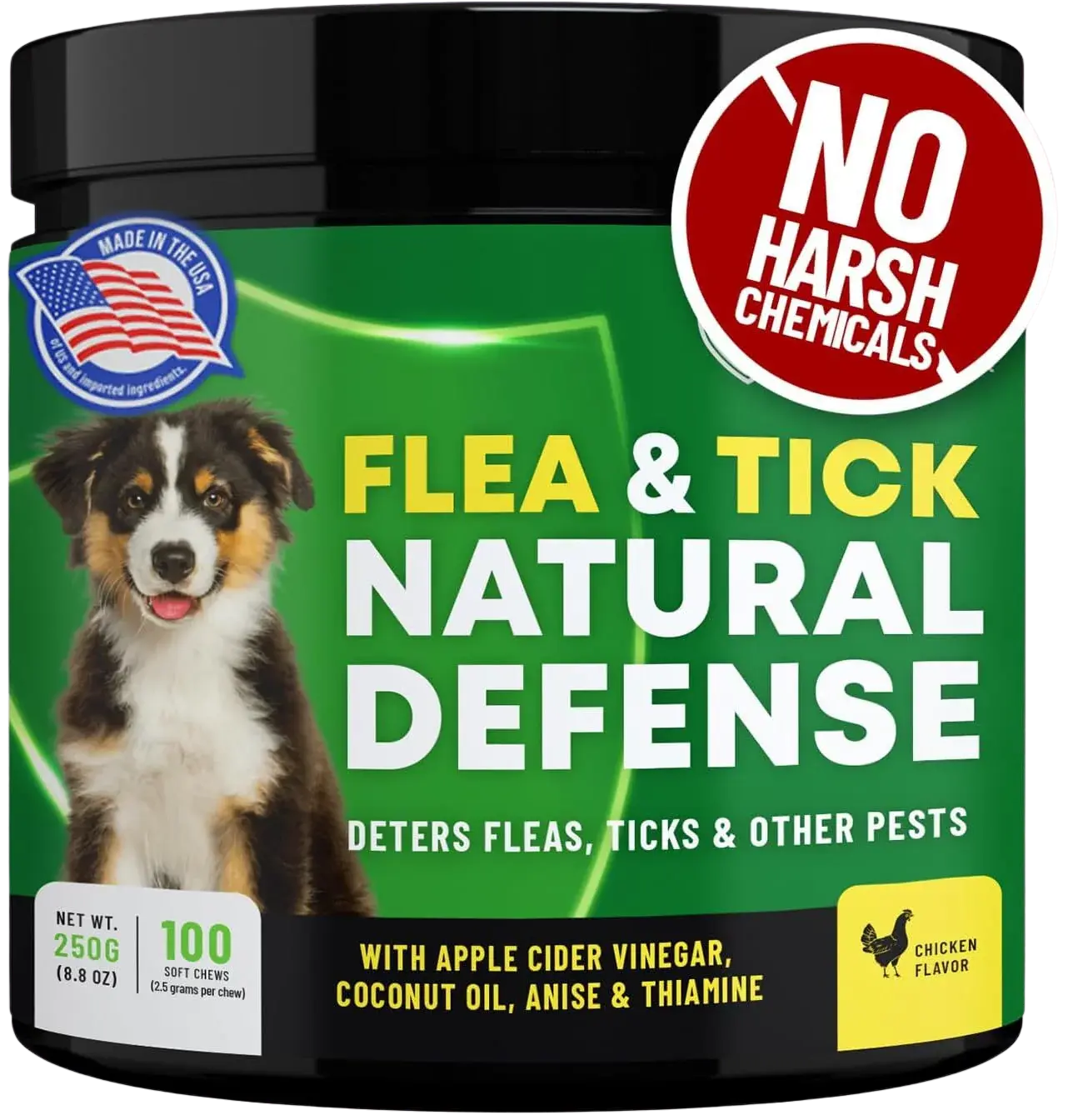
If your dog loves trail time, yard time, and outdoor adventures, GCP Flea & Tick Natural Defense for Dogs can help support a more consistent seasonal routine. Use it as directed and pair it with smart outdoor habits like regular brushing, paw checks, fresh water, safe trail planning, and veterinary guidance when needed.
Citation: Rostaher, A., Nuttall, T., Fischer, N., Beeler, L. A., & Bizikova, P. (2024). Natural history and risk factors of Hymenoptera venom allergy in dogs. Animals, 14(22), 3220. https://doi.org/10.3390/ani14223220
For all general inquiries, please contact us at info@guardianschoice.com
© Copyright. All rights reserved.