
The Tiny Black Specks That Matter More Than You Think
You’re brushing your dog or petting your cat when you notice what looks like ground pepper scattered through their fur. Small black flakes. Dry. Grainy. Most pet owners shrug it off as yard debris or dried mud.
But those tiny specks are the earliest warning sign of a biological invasion. Flea dirt is often the first—and sometimes only—visible evidence of an active infestation. By the time you actually see fleas jumping, the problem is already well underway, and your pet's Vitality Shield is already under assault.
What Is Flea Dirt, Really?
Despite the name, flea dirt isn’t dirt at all. It is flea feces composed primarily of digested blood. When fleas feed on your pet, they excrete these tiny dark pellets that dry and resemble fine soil. If you see flea dirt, it means fleas are actively feeding on your pet right now—even if you haven’t seen a single live flea.
The 30-Second “Paper Towel Test”
Before assuming those black specks are just dirt, you can confirm the truth in under a minute.
-
Collect: Gently collect several specks from hotspots: the base of the tail, back of the neck, or the belly.
-
Test: Place them on a white paper towel and add a few drops of water.
-
The Reveal: If the specks remain solid, they’re mud. If they dissolve into a reddish-brown stain, that is rehydrated blood. The test is fast, simple, and conclusive.

Why Flea Dirt Is More Than Cosmetic
Flea dirt is the "calling card" of a parasite that drains your pet’s resilience. If left unchecked, these specks lead to a chain reaction of health issues:
-
Flea Allergy Dermatitis (FAD): In sensitive pets, a single bite triggers an allergic reaction to proteins in flea saliva. This leads to intense inflammation, relentless chewing, and painful "hot spots" that can worsen dramatically within 24 hours.
-
Secondary Infections: When scratching breaks the skin barrier, bacteria and yeast multiply. This can cause oozing sores, greasy fur, and a persistent odor that requires medical intervention.
-
The Hidden "Tapeworm" Connection: If a pet swallows an infected flea during grooming, they can develop tapeworms—a secondary internal parasite triggered by the external infestation.
-
Anemia Risk: In smaller breeds, puppies, or kittens, a heavy flea population can remove enough blood to cause lethargy, pale gums, and life-threatening weakness.
The "95% Rule" and the Home Factor
Only about 5% of a flea population lives on your pet. The remaining 95% exists in your environment as eggs, larvae, and pupae. Fleas reproduce at a staggering rate; a single female can lay 50 eggs per day. These eggs fall off your pet and settle into carpets, floor cracks, and upholstery where they can remain dormant for months.
Stop the Cycle: Reinforce the Vitality Shield
Detection is only step one. To stop the "re-infestation loop," you must target the adults while managing the environment.
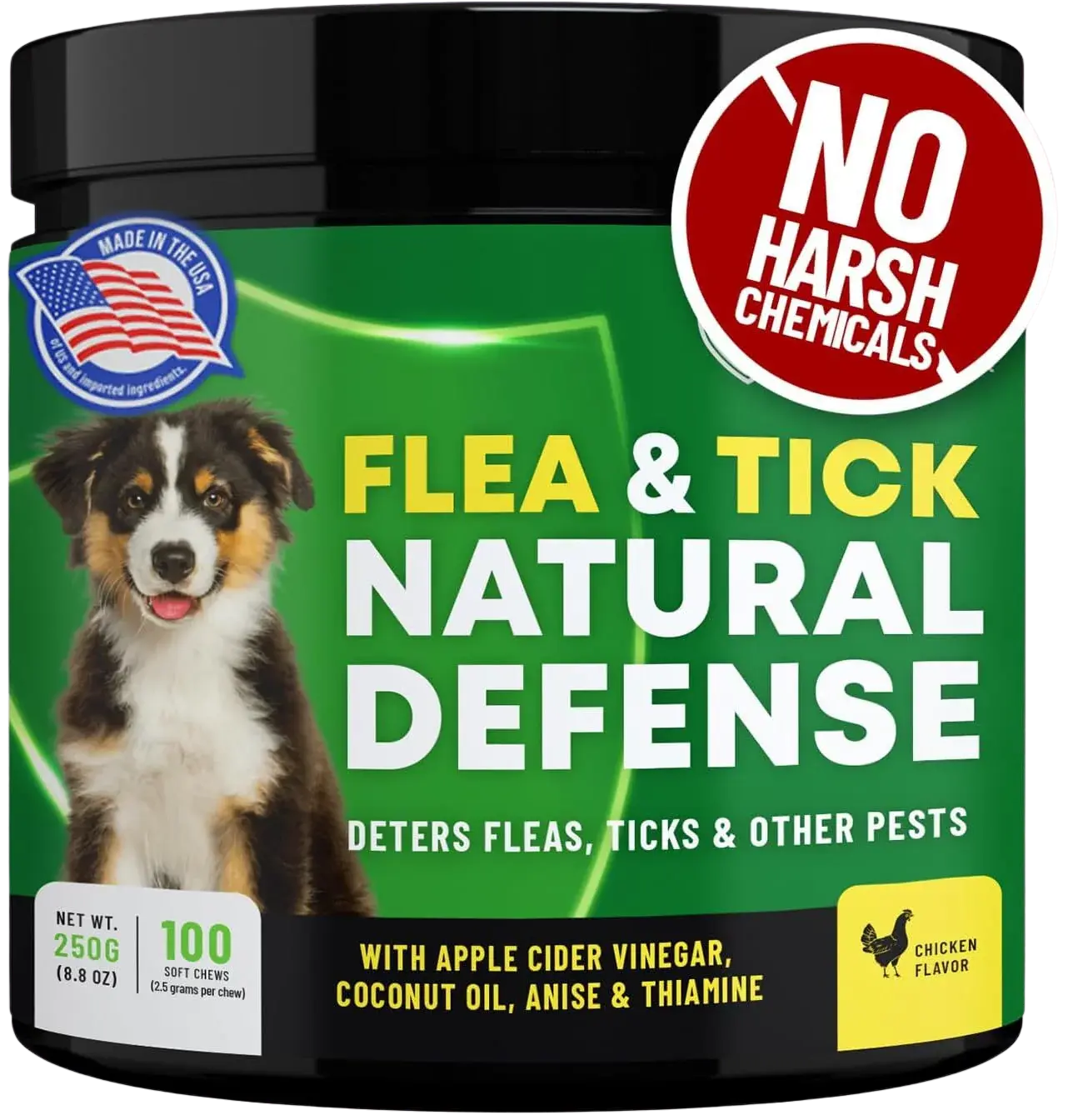
Guardian’s Choice Flea & Tick Defense is designed for consistent, proactive protection. It reinforces your pet's Vitality Shield by making their skin and coat a less-than-ideal host for pests. By acting at the first sign of flea dirt, you prevent inflammation from becoming infection and stop the cycle before your home becomes a breeding ground.
-
Because it is composed of digested blood. When rehydrated on a paper towel, the blood pigment reveals its true color. This is the definitive way to prove your pet is being fed upon by parasites.
For all general inquiries, please contact us at info@guardianschoice.com
© Copyright. All rights reserved.