
Setting Up Your Pet’s Space: The Science of the "Home Sanctuary"
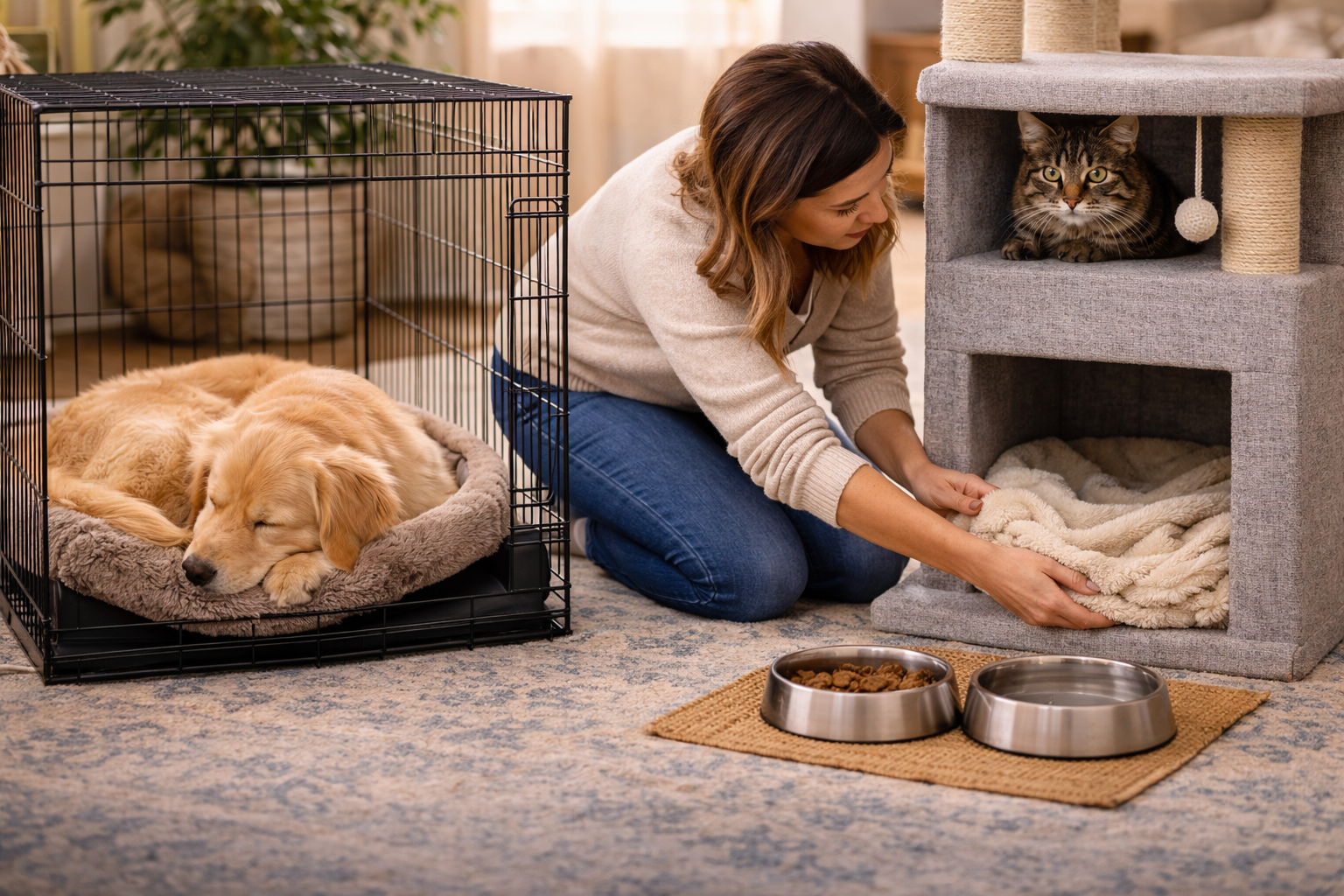
Our homes are often seen as shared spaces for family, friends, and pets alike. However, for our dogs and cats, their environment is their entire world. Every corner, every sound, and even the scents that linger in the air can have a significant impact on their overall well-being. Research into animal behavior and biology has shown that pets are highly sensitive to their surroundings, and their environment directly influences their health, stress levels, and emotional stability. As pet owners, we have the responsibility and the opportunity to create spaces that promote relaxation, recovery, and security.
Understanding the science behind how pets perceive their environment can help you set up a sanctuary that supports their physical, mental, and emotional health. A pet’s space is not just a place to sleep—it’s a vital part of their daily routine, and when designed thoughtfully, it can become a refuge for them. Here’s how to create a high-performance recovery zone for your pet by focusing on three crucial pillars: Acoustic Management, The "Den" Instinct, and Scent Neutrality.
Acoustic Management: Reducing Stress through Sound Control
Sound plays an essential role in your pet's sense of safety and security. While we may not always be aware of the full range of noises in our homes, pets hear frequencies that humans cannot. Dogs, for instance, can hear higher frequencies, while cats can detect higher-pitched sounds than most other animals. This heightened hearing ability means that loud appliances, television noise, or even conversations can be more distressing for them than we realize.
When setting up your pet's space, it is vital to consider how sound affects them. Just as humans need a quiet, peaceful environment to relax, pets do too. Loud noises can lead to what’s known as "vigilance fatigue," where your pet remains on edge and in a heightened state of alertness for too long. Over time, this constant stress response can lead to anxiety, aggression, and even physical symptoms such as inflammation.
To promote relaxation and reduce stress, place your pet's bed in a quiet part of the house, away from high-traffic areas, loud appliances, or areas where family members tend to gather. Ideally, pets should have their own zone—away from the bustle of daily life—where they can retreat when they need rest or alone time.
The "Den" Instinct: Creating a Secure, Private Space
Whether your pet is a social butterfly or a little more reserved, even the friendliest pets need a place to call their own. In the wild, animals seek out secure, enclosed spaces to rest, sleep, and feel safe from predators. This denning instinct is deeply embedded in our pets’ biology, and it is important to provide them with a private, safe place in their home.
When you set up your pet’s space, ensure that it offers at least three sides of enclosure. This could be achieved by using a covered bed, a cozy crate, or simply tucking the bed into a corner where your pet can rest with the feeling of security around them. A space that is too open or exposed can make your pet feel vulnerable, leading to increased stress or anxiety. By creating a little "den" for your pet, you provide a sense of biological security that promotes rest and relaxation.
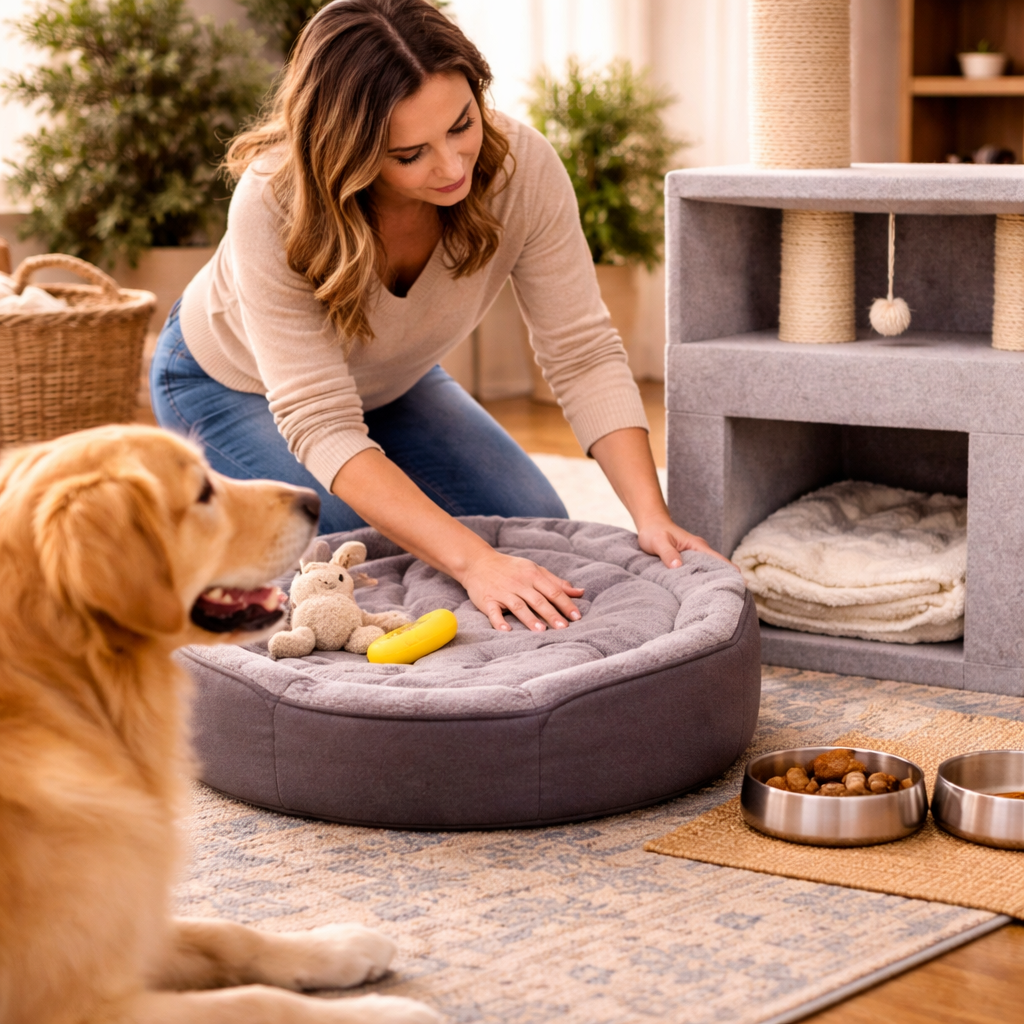
For dogs, a high-walled bed or a crate that mimics a den-like environment can work wonders in providing that security. Cats, naturally more independent, often seek out hidden or secluded spots in which they feel safe, such as under furniture or on high shelves. Ensuring that they have access to such spaces, especially in multi-pet households, helps them feel safe and grounded.
Scent Neutrality: The Power of Natural Scents in Promoting Calm
A pet’s sense of smell is far more acute than ours, and harsh chemical cleaners or artificial fragrances can overwhelm their olfactory system. Pets, especially dogs and cats, rely heavily on their sense of smell to navigate the world. For them, a familiar, pleasant scent can be incredibly comforting, while overwhelming or unfamiliar smells can induce stress or unease.
When setting up your pet’s sanctuary, choose cleaning products and air fresheners that are safe for them. Avoid chemical-based cleaners or strong artificial scents that can irritate their sensitive noses. Instead, opt for pet-safe, natural scents like lavender, chamomile, or valerian, which are known for their calming properties. These scents can be incorporated through natural air fresheners, essential oil diffusers (used sparingly), or pet-safe sprays.
Lavender, in particular, is well-known for its calming effects and can help to reduce anxiety in pets. Simply diffusing lavender oil or using it in a safe, diluted form can promote relaxation in your pet’s designated space. As with all changes to your pet’s environment, it's essential to monitor their reactions to new scents. If they show signs of discomfort, stop using the product immediately and try something different.
Optimal Environment Checklist
To create an optimal environment for your pet, consider these key features that contribute to their overall well-being:
Feature: Temperature Control
Why It Matters: Proper temperature control helps prevent joint stiffness, especially in older pets or those with arthritis. Cold environments can exacerbate stiffness, while excessively warm spaces can lead to discomfort and fatigue.
Best Placement: Keep your pet's bed away from drafty windows, air conditioning units, or heating vents. The ideal spot is a quiet, draft-free area where the temperature remains stable. Pets also tend to prefer warm spots for sleeping, but be sure they are not exposed to extreme heat.
Feature: Natural Light
Why It Matters: Exposure to natural light regulates your pet's circadian rhythm, just like it does for humans. Proper light exposure helps maintain healthy sleep patterns and supports overall well-being.
Best Placement: Place your pet’s bed near a window with a view, but not directly in the sunlight. Sunlight can warm a pet’s sleeping area and provide a natural and pleasant environment, but be sure they have an option to move away from direct light if it gets too hot.
Feature: Vertical Space
Why It Matters: Cats, in particular, require vertical space to feel secure. High spaces offer a sense of control and security, allowing them to observe their surroundings without feeling vulnerable to perceived threats.
Best Placement: Cat trees, shelves, or window perches should be placed in areas where your cat can climb and relax in high places. This vertical space also provides enrichment, allowing cats to express natural behaviors like climbing and jumping.
Feature: Compression
Why It Matters: Compression, in the form of high-walled or “donut” beds, helps calm the nervous system by providing gentle pressure that mimics the feeling of being enclosed or hugged. This can be particularly beneficial for anxious pets.
Best Placement: These types of beds should be placed in a quiet, low-traffic area where your pet can retreat to feel safe and secure. Ensure the bed offers adequate support for your pet’s body type, as this can help relieve joint pressure and promote better rest.
Frequently Asked Questions
-
A corner with a clear line of sight to the room’s entrance but out of the flow of foot traffic is ideal for a dog bed. Dogs feel more secure when they can see the entrance to the room and know that they are not in the direct path of movement, but still have a sense of safety and quiet.
Conclusion
The environment in which your pet lives has a profound impact on their health, well-being, and emotional stability. By considering the science behind the way pets perceive their surroundings—through sound, space, and scent—you can create a sanctuary that supports their physical and mental health. Whether you're designing a cozy corner for a cat or a high-performance recovery zone for your dog, the key is to focus on their natural instincts and needs. With the right attention to detail, you can give your pet a space that promotes peace, relaxation, and security, allowing them to thrive and feel truly at home.
Promote Your Pet’s Health with GCP
For pet owners looking to ensure optimal health and wellness for their dogs and cats, Guardian’s Choice (GCP) offers a range of high-quality, natural supplements designed to support their unique needs. Whether you’re protecting your pet from pesky fleas and ticks or boosting their immunity, GCP products like Flea & Tick Natural Defense and VitaPup Multivitamin Chews for Puppies provide safe, chemical-free solutions to keep your pets feeling their best.
For cats, GCP Flea & Tick Natural Defense for Cats and Purrbiotics Daily Probiotics support digestive health, immunity, and overall wellness. Whether you’re managing your pet’s skin health, improving digestion, or providing immune support, GCP ensures the highest quality ingredients to help your pet thrive. Their products are crafted with natural ingredients like apple cider vinegar, coconut oil, and vitamins to maintain peak health without harsh chemicals.
Add GCP to your pet’s daily routine to boost their vitality, keep them protected, and ensure they feel secure in their space—every day.
For all general inquiries, please contact us at info@guardianschoice.com
© Copyright. All rights reserved.