
Safe Starts: The Science of Navigating Dosage for
Kittens and Puppies

The arrival of a new puppy or kitten is a whirlwind of milestone photos and midnight potty breaks. But beneath the fluff, your new companion is undergoing the most complex biological transformation of their life. In their first six months, their bodies aren't just growing—they are establishing the foundations of their immune system, skeletal structure, and organ function.
Because their internal systems are still "under construction," the margin for error regarding medication, supplements, and topical treatments is significantly slimmer than it is for adult pets. Here is what every guardian needs to know about navigating this delicate phase.
1. The "Small Adult" Fallacy
The most common mistake pet owners make is treating a puppy or kitten like a "small version" of an adult dog or cat. This is biologically incorrect.
A young animal’s liver and kidneys—the organs responsible for processing and clearing substances from the body—are not yet fully efficient. A dose that an adult might easily metabolize could linger in a puppy’s system, leading to accidental toxicity.
The Golden Rule: Always dose based on current weight, not "expected adult weight" or age alone.
2. Species-Specific Safety: A Non-Negotiable
If you are a multi-pet household, the risk of cross-contamination is high. This is especially critical with spot-on treatments (flea and tick prevention).
-
The Danger of Permethrin: Many canine spot-on treatments contain Permethrin. While safe for dogs, it is highly toxic to kittens.
-
The "Licking" Factor: In multi-pet homes, a kitten might lick a puppy’s treatment. Always isolate pets for 24 hours after applying any topical dose to ensure no one is grooming the medication off their sibling.
3. The Math of Growth: Why Weight Checks Matter
Puppies and kittens can gain significant weight in a single week. A dose that was perfect last Monday might be ineffective by next Tuesday.
-
Monthly Calibrations: For the first six months, weigh your pet at home or at the vet before every monthly treatment.
-
The 10% Rule: If your pet’s weight has shifted by more than 10%, consult your dosage chart. Small shifts in weight require precise adjustments to ensure the active ingredients reach a therapeutic level without crossing into a toxic one.
4. Nutritional Precision: The Calcium-Phosphorus Balance
When it comes to supplements, "more" is rarely "better." Puppies and kittens—especially large-breed puppies—are highly sensitive to mineral over-supplementation. If a young animal consumes too much calcium, their bones may grow too quickly, leading to permanent orthopedic issues like hip dysplasia or OCD (Osteochondritis Dissecans).
A "Safe Start" requires maintaining a precise balance where phosphorus and calcium work in tandem. Because different breeds have different metabolic "speeds," their requirements vary significantly. Providing a balanced ratio, specifically a calcium-to-phosphorus ratio of roughly 1.2:1—ensures that the skeletal "scaffolding" hardens at the same rate the body gains weight.
5. Building the "Immune Library"
During the first few months, a pet’s "maternal antibodies" (protection from their mother’s milk) begin to fade. This leaves a "vulnerability gap" before their own vaccinations fully kick in.
Rather than overloading them with high-potency chemicals, focus on biological primers. Ingredients like Omega-3 fatty acids (DHA) and mild antioxidants support the brain and the immune system’s ability to "recognize" threats without overtaxing their developing liver.
The Guardian’s Perspective: Becoming Your Pet’s Best Advocate
At the end of the day, your most important job as a pet parent is to be an advocate. Puppies and kittens cannot tell us if a dose feels too strong or if a supplement is upsetting their stomach; they rely entirely on our diligence. While education is the most powerful tool in your kit, having a trusted partner makes the journey much smoother. This is why we developed VitaPup. We recognized that new pet parents needed a solution that eliminated the "dosage guesswork" while providing comprehensive support for a young animal's unique biological needs.
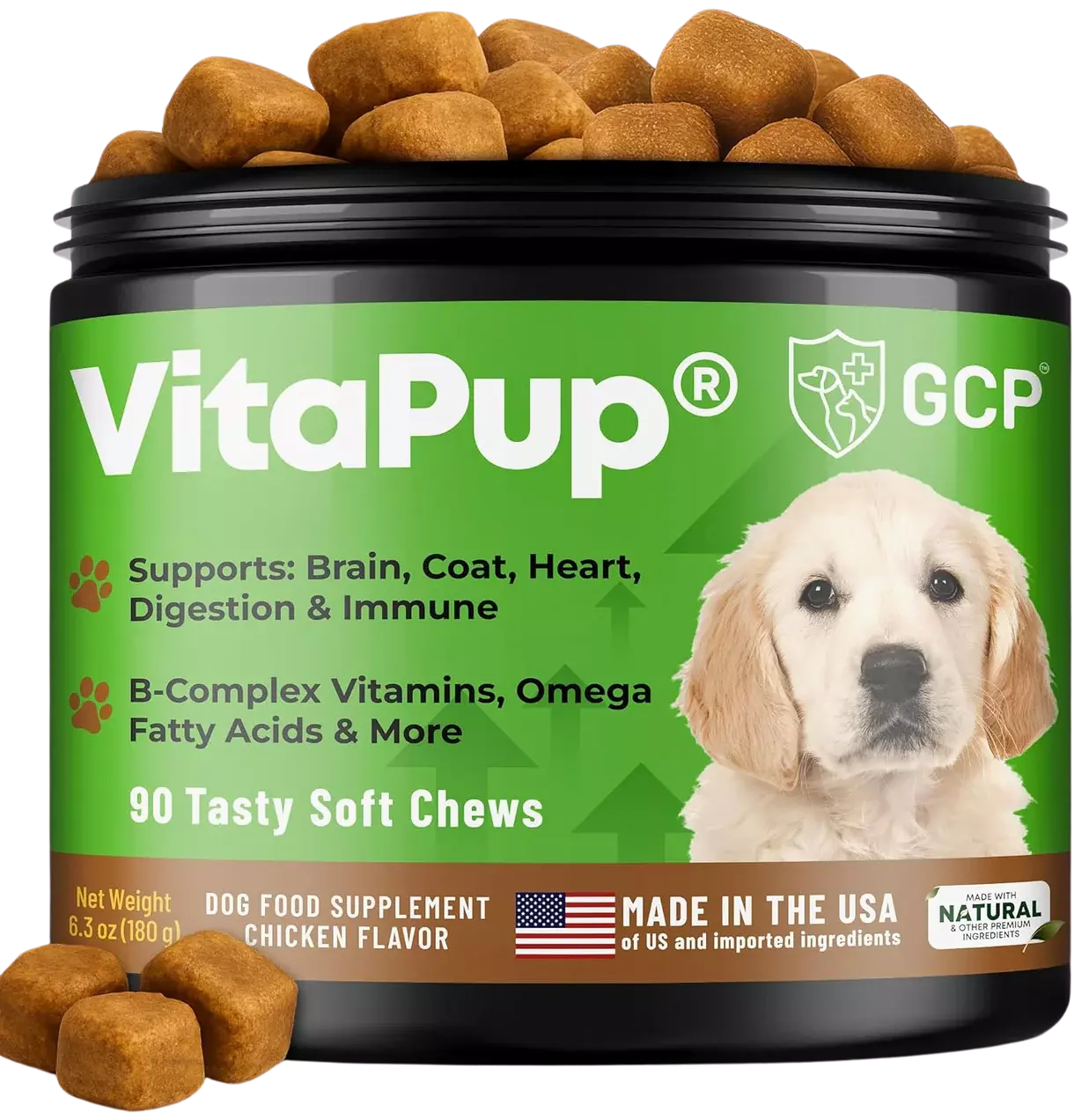
What sets Guardian's Choice Pet apart:
-
Safety Without Compromise: VitaPup is manufactured to FDA standards using natural ingredients, ensuring that your pet's first supplement is as clean as it is effective.
-
Gentle Maturity: Because young digestive systems are notoriously fickle, our formula is allergen-free and gentle on sensitive tummies.
-
Targeted Developmental Fuel: We focus on the "Building Blocks" of youth, including:
-
Vitamin B Complex: To boost brain development and energy during those rapid growth spurts.
-
Omega-3 Fatty Acids (from Fish Oil): To promote cognitive function, joint health, and a soft, shiny coat.
-
Essential Minerals: Expertly balanced to support strong bones and teeth without the risks of over-mineralization.
-
-
Immune Priming: Specifically designed to boost immune system function during the critical window when maternal antibodies begin to fade.
When you understand the "why" behind the dosage—and choose products like these tasty, easy-to-use soft chews—you aren't just giving them a vitamin. You are ensuring that their very first steps are placed firmly on the path to a long, vibrant, and healthy life.
We are so confident in this "Safe Start" approach that we back it with a 60-day money-back guarantee, because your peace of mind is just as important as their health.
Safe Starts: Puppy & Kitten Wellness Checklist
Use this guide to navigate your pet's most critical growth phase with confidence.
-
[ ] Monthly Weight-Based Calibration: Puppies and kittens grow rapidly. Always weigh your pet before administering any treatment to ensure the dose matches their current metabolic needs.
-
[ ] Species-Specific Audit: Double-check that all flea, tick, and spot-on treatments are labeled specifically for your pet’s species. Never use canine-specific products on kittens,
-
[ ] Daily Developmental Support: Introduce a puppy-specific multivitamin like VitaPup to provide essential B-Complex vitamins for brain development and Omega-3s for joint health.
-
[ ] Ingredient Sensitivity Check: Ensure all supplements are allergen-free and gentle on developing digestive systems to avoid "tummy upsets".
-
[ ] Quality Assurance Verification: Only use products manufactured to FDA standards to ensure the safety and purity of what your pet consumes.
-
[ ] Skeletal Growth Monitoring: Look for supplements that support strong joints and bones with a balanced mineral profile to prevent orthopedic issues during growth spurts.
-
[ ] Immune System Priming: Support their "vulnerability gap" with essential vitamins and minerals designed to boost immune system function.
-
[ ] Palatability Test: Choose tasty soft chews that your pet views as a treat, making the wellness routine stress-free for both of you.
-
[ ] 60-Day Progress Review: Monitor for a soft, shiny coat and improved nutrient absorption, which are key indicators that their wellness plan is working.
-
[ ] The Advocate’s Rule: If the label doesn't explicitly state it is safe for their specific age/week range, consult your vet before use.
Frequently Asked Questions: Navigating Early-Life Wellness
-
It is a common misconception that a puppy is simply a "scaled-down" adult. Biologically, puppies have a much higher demand for specific nutrients—like Vitamin B-Complex for red blood cell formation and Omega-3 fatty acids for rapid brain development—than a maintenance-phase adult dog. Conversely, their livers are not yet fully equipped to process the higher concentrations of certain fat-soluble vitamins found in adult formulas. Giving an adult dose, even halved, risks missing the critical "growth window" requirements while potentially overtaxing their developing organs.
For all general inquiries, please contact us at info@guardianschoice.com
© Copyright. All rights reserved.