A Pet Parent’s Complete Halloween Weekend Safety Checklist
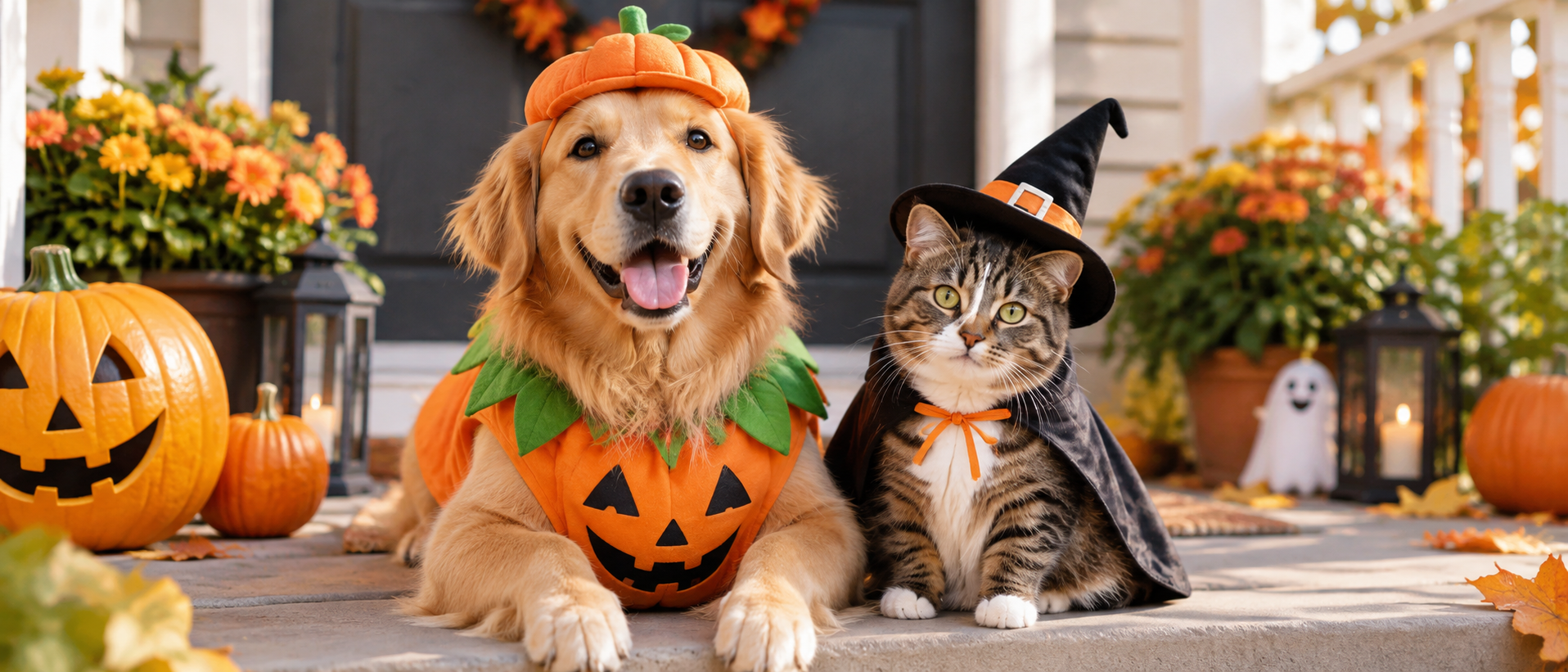
Halloween is filled with festive fun, but it can introduce unexpected challenges for our pets that require a bit of mindful preparation. From navigating a bowl full of unsafe treats to managing the hustle and bustle of constant visitors, this guide outlines essential steps to help your furry friends stay safe. Read on for our complete checklist to support a hazard-free Halloween weekend while keeping your pets looking and feeling their absolute best.
Navigating the Treat Bowl and Hidden Household Dangers
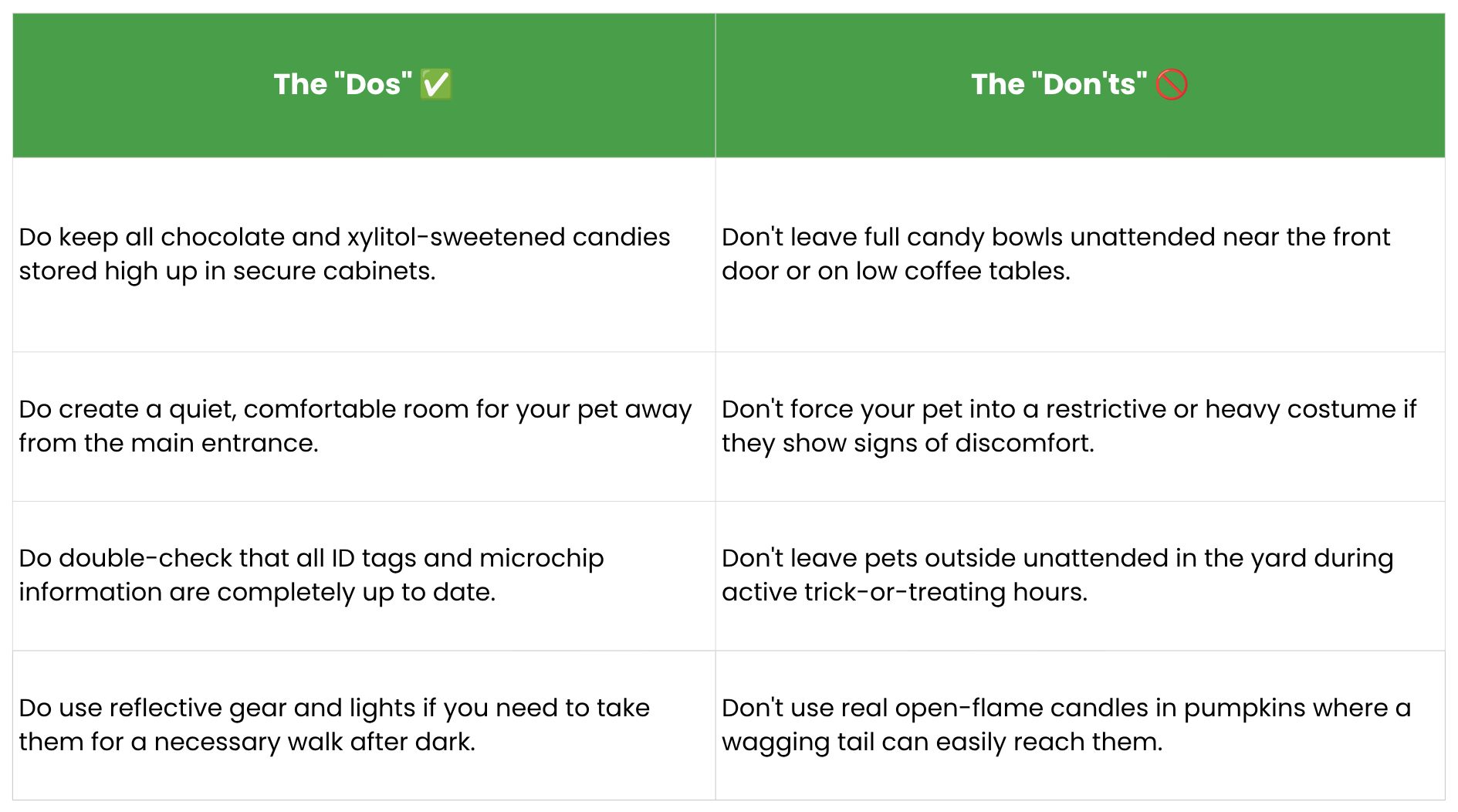
When the crisp autumn air arrives and the end of October draws near, our homes inevitably become filled with an assortment of sugary delights and decadent chocolates meant for neighborhood trick-or-treaters. While this is incredibly exciting for the human members of the family, it is no surprise that this sudden influx of candy presents one of the most significant hazards of the entire weekend for our curious companions. Chocolate, raisins, and specifically sugar-free treats containing the artificial sweetener xylitol are highly dangerous to both dogs and cats when ingested, as these items can disrupt their natural internal balance and lead to serious stomach upset. To ensure everyone has a safe and enjoyable time, it is crucial to remain vigilant about where these treats are kept throughout the day and night by storing all human treats securely in an elevated cupboard or a latched pantry where clever paws cannot reach them.
Furthermore, it is always a wonderful idea to gently remind children and guests not to share their festive haul with their four-legged best friends, no matter how persuasively those puppy-dog eyes might beg for a taste of the holiday bounty. Providing your pet with their own special, species-appropriate treats can help them feel fully included in the exciting celebrations without compromising their dietary needs or overall well-being. It is also important to remember that candy wrappers and foil packaging smell just like the delicious food they contained, making them incredibly tempting targets for pets to swallow, which can cause internal blockages if you aren't watching closely. By establishing firm ground rules with your family about where candy is allowed to be eaten and stored, you can easily prevent these common weekend mishaps and keep your household running smoothly.
Creating a Stress-Free Sanctuary Amidst the Festive Chaos
Beyond the dietary hazards that come with trick-or-treating, the sheer volume of activity on Halloween night can be deeply overwhelming for animals who naturally thrive on predictability and a calm daily routine. The constant ringing of the doorbell, the sudden appearance of strange faces hidden behind frightening masks, and the unfamiliar sounds echoing from the streets can easily disrupt your pet’s natural disposition and trigger a sense of unease. Animals process the world through their heightened senses, meaning that the sudden bursts of noise and the constant opening and closing of the front door can lead to an uncomfortable level of overstimulation. You can actively help them maintain a relaxed and secure demeanor by setting up a designated "safe haven" in a quiet, secluded room far away from the main hub of activity where you will be handing out candy. Bring in their favorite orthopedic bed, a few well-loved puzzle toys to keep their minds engaged, and play soft background music or white noise to effectively muffle the unpredictable sounds of the neighborhood festivities.
In addition to managing the auditory environment, you must also carefully consider the visual and physical environment within your home during this festive season to ensure their ultimate safety. Fake spider webs, glowing chemical sticks, and dangling string lights look absolutely fantastic draped across your porch, but they can easily look like inviting chew toys to curious cats and playful dogs looking for something new to investigate. It is important to keep all electrical wires tucked safely out of reach and to opt for battery-operated tea lights in your decorative pumpkins instead of utilizing open flames, thereby promoting a completely safe environment even if a happy tail happens to bump into your display. Furthermore, with the front door opening and closing so frequently throughout the evening, the risk of a swift pet slipping out into the dark night increases exponentially, so take a moment to double-check that your pet is wearing a secure, well-fitted collar with up-to-date identification tags before the sun sets.
Supporting Their Mobility and Comfort Through the Holiday Hustle
Navigating a remarkably busy holiday weekend often means your pet will be engaging in a lot of extra pacing around the house, playing with visiting guests, and posing for those undeniably adorable autumn photographs you love to share with friends and family. Supporting their daily wellness from the inside out is what ultimately helps them gracefully handle all of this extra physical activity and emotional stimulation without feeling excessively fatigued the next morning. When pets are slightly on edge or merely highly alert due to changes in their environment, they tend to spend significantly more time on their feet, patrolling the hallways, or following you from room to room as you prepare for the evening's events. This repetitive movement can sometimes be physically taxing, highlighting the importance of maintaining a solid nutritional foundation that continuously supports their physical endurance, natural mobility, and overall joint comfort.
Interestingly, incorporating specific targeted nutrients into their daily dietary regimen can make a profound difference in how they comfortably experience these highly active holiday periods year after year. A well-documented study published in the Journal of the American Veterinary Medical Association highlights how supplementing a canine's diet with high-quality omega-3 fatty acids can play a highly supportive role in maintaining normal, comfortable joint function and promoting an exceptionally healthy skin barrier (Bauer, 2007). By ensuring they receive these vital nutrients regularly, you are proactively supporting their natural ability to move with ease, allowing them to happily keep up with the evening's excitement without missing a single beat. Furthermore, prioritizing this kind of premium nutritional support helps reduce normal seasonal shedding and actively promotes a deeply vibrant, shiny coat, meaning they will look absolutely picture-perfect on camera for those festive family portraits without any extra grooming fuss.
Frequently Asked Questions
-
If you suspect your furry friend has ingested chocolate, xylitol, or candy wrappers, you must contact your local veterinarian or a 24-hour pet poison helpline immediately for professional guidance. It is highly recommended to keep the packaging if you can safely retrieve it, as this allows the veterinary team to know exactly what was consumed and how to best support your pet.
Spotlight on the Ultimate Coat and Joint Supporter
Keeping your pet looking and feeling spectacular during the busy holiday season is effortless when you provide them with the right daily nutritional tools tailored to their unique needs. GCP OMEGAPaws Premium Krill Omega-3 is thoughtfully formulated to naturally enrich your pet's diet, offering a potent, highly bioavailable source of essential fatty acids that they will genuinely look forward to consuming every single day.
-
Supports Joint Comfort: Thoughtfully formulated to help maintain natural cartilage health and support joint flexibility so your pet can comfortably navigate their daily walks and active play sessions.
-
Promotes a Vibrant Coat: Provides essential, targeted nourishment to the skin barrier, helping to maintain a beautifully soft, shiny coat while actively reducing normal, everyday shedding.
-
Highly Bioavailable: Sourced from pristine, premium krill, ensuring that the vital nutrients are easily absorbed and effectively utilized by your pet's body for maximum supportive benefits.
-
Heart and Brain Support: Delivers beneficial omega-3 fatty acids that are widely recognized to support ongoing cognitive function and promote overall cardiovascular wellness.
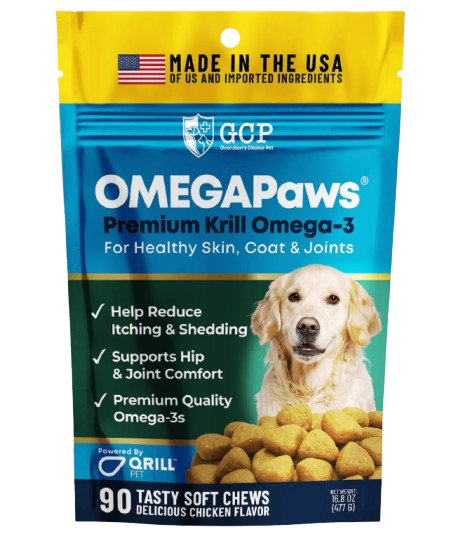
Choosing to invest in your pet's daily health is one of the most rewarding and impactful decisions you can make as a dedicated, loving pet parent. Adding GCP OMEGAPaws Premium Krill Omega-3 to their regular morning or evening routine ensures you are continuously giving them the premium, targeted support they deserve to thrive beautifully throughout every single season of their life.
Citation:
Bauer, J. E. (2007). Responses of dogs to dietary omega-3 fatty acids. Journal of the American Veterinary Medical Association, 231(11), 1657-1661. https://doi.org/10.2460/javma.231.11.1657
For all general inquiries, please contact us at info@guardianschoice.com
© Copyright. All rights reserved.