
Microbiomes and Mites: How Probiotics Fight Parasite Stress
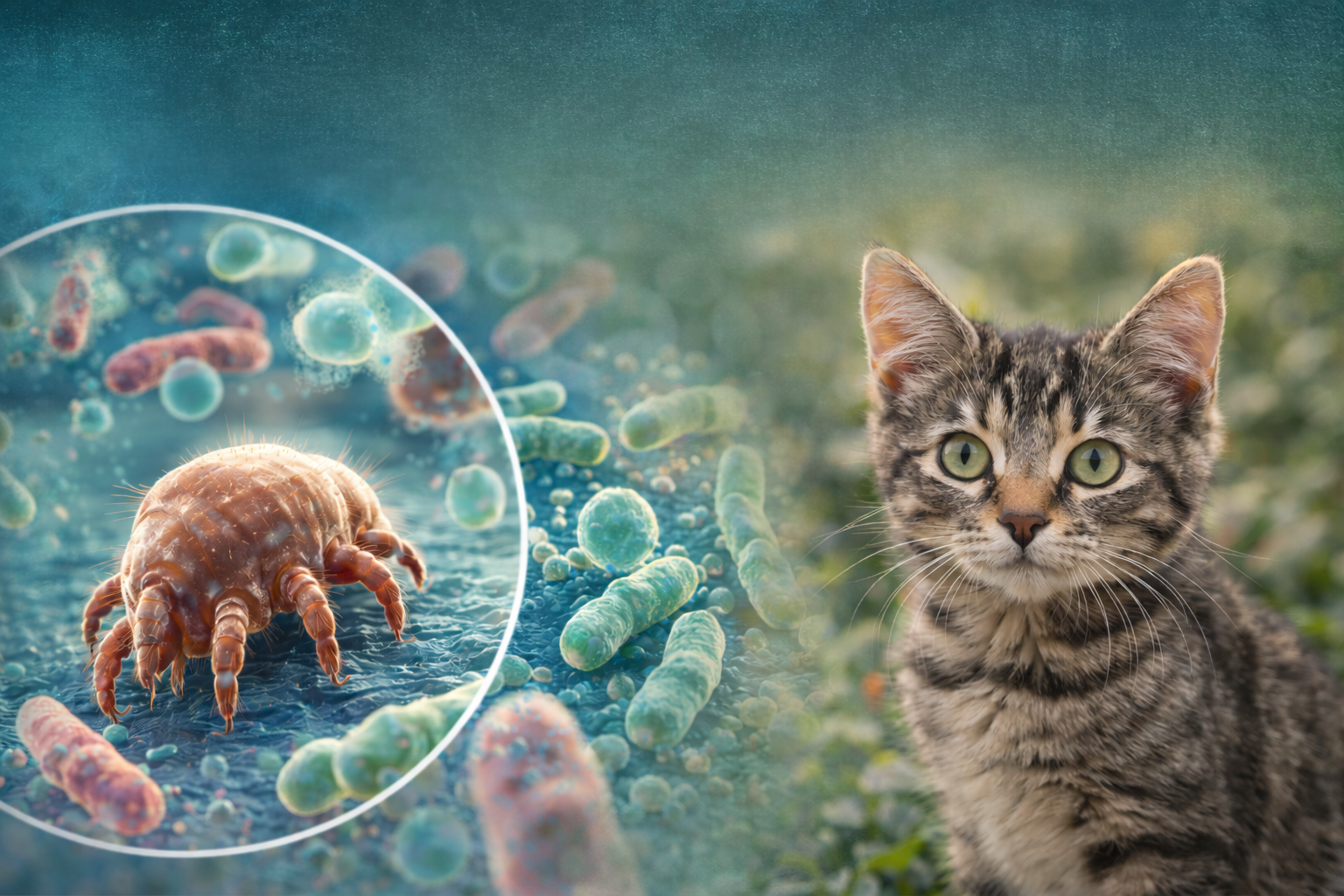
Parasite infestations like ear mites do more than just cause itching; they trigger a systemic stress response in cats that often leads to behavioral changes. Recent findings show that the gut-brain axis plays a critical role in how pets recover from these "micro-invaders." By combining targeted parasite defense with high-quality probiotics, you can stabilize your cat’s microbiome, reduce stress-induced aggression, and support a faster, calmer recovery.
The Hidden Link Between Mites, Mood, and the Microbiome
If your cat has been unusually irritable, hiding more often, or acting aggressive, you might blame their personality or "cattitude." But for cats dealing with parasites like ear mites, the issue often goes deeper than the skin—it’s in their gut.
The Deep Link Between Parasite Infestation and Chronic Stress
When a cat faces an infestation like ear mites, the impact extends far beyond simple surface-level itching; it serves as a relentless assault on their central nervous system. The persistent irritation and physical discomfort act as a continuous biological alarm, forcing the feline body into a permanent "fight-or-flight" response. Under normal circumstances, this state is a temporary survival mechanism, but during a parasite invasion, the "off" switch is effectively jammed.
The "High-Alert" Residual Effect
One of the most challenging aspects of parasite recovery is that the physiological trauma often outlasts the physical presence of the mites themselves. Even after a successful treatment clears the visible invaders, the cat's body frequently remains trapped in a high-alert state, a phenomenon often referred to as parasite stress.
Key insights into this connection include:
-
Behavioral Red Flags: Data indicate that 55% of users report significant stress reactions or increased aggression in their pets following failed or prolonged parasite treatments.
-
Neurological Overload: The constant biological noise of an infestation can lead to a state of hyper-vigilance, where the cat perceives everyday environmental changes as threats.
-
Systemic Fatigue: Staying in "survival mode" consumes immense metabolic energy, leading to a cat that is not just grumpy, but physically and mentally depleted.
Breaking the Loop with the Gut-Brain Axis
Because this high-alert state is rooted in the nervous system, addressing it requires a focus on the microbiome. Modern veterinary science highlights that the gut-brain axis is a two-way street; by stabilizing the gut with targeted probiotics, we can send calming signals back to the central nervous system. This dual-action approach—clearing the mites while healing the gut—is the only way to ensure your cat moves from "acting out" back to their natural, peaceful self.
The Holistic Path to Recovery: Beyond the Treatment
Treating the physical presence of mites is a critical first step, but a complete recovery requires a multi-layered approach to address the physiological and psychological toll on your cat. Before focusing on internal restoration, pet parents should consider these essential environmental and physical solutions.
A Comprehensive Approach: Eliminating the External Threat
Before a cat can truly heal from the inside out, the environment and the immediate physical symptoms must be addressed. A cat cannot exit "survival mode" if their surroundings still harbor the source of their trauma.
-
Deep Environmental Sanitization (Breaking the Re-infestation Cycle): It is a common misconception that mites only live on the host. In reality, eggs and larvae can settle into the fibers of your home—bedding, cat trees, and even the crevices of your sofa. If these areas aren't sanitized, your cat is subjected to a "re-infestation loop." Every time they begin to heal, a new wave of hatchlings triggers a fresh round of itching and anxiety. Thoroughly washing all pet textiles in hot water and steam-cleaning carpets is not just about cleanliness; it’s about lowering the environmental "threat level" so your cat’s nervous system finally feels safe to power down.
-
Targeted Topical Defense (Immediate Physical De-escalation): The physical sensation of mites—crawling, biting, and inflammation—is what keeps the "fight-or-flight" response pinned to the maximum setting. Utilizing high-quality, targeted drops or ointments is the fastest way to physically eliminate the micro-invaders. By removing the immediate source of irritation, you provide the cat with instant sensory relief. This de-escalation is necessary because it stops the constant barrage of pain signals to the brain, allowing the central nervous system to begin its transition from panic to recovery.
-
Stress-Reduction Techniques (Calming the Hyper-Vigilant Mind): For the 55% of pets that exhibit residual aggression or hyper-vigilance, the world has become a scary place. Even after the mites are gone, these cats may remain jumpy or prone to swatting. Implementing calming pheromone diffusers mimics the natural "safety signals" mother cats send to their kittens, providing a subconscious sense of security. Additionally, creating "safe zones"—dedicated, quiet spaces where the cat can retreat without being disturbed—allows them to process their stress in a controlled environment, helping to dampen the neurological "high-alert" state.
Why Probiotics Are the Secret Weapon
Once the environment and the external invaders are managed, the final—and most overlooked—step is repairing the microbiome. This is where you move from basic treatment to true healing:
-
Stabilizing the Mood: Probiotics help restore the balance of "good" bacteria, which directly communicates with the brain via the gut-brain axis to naturally lower cortisol levels and ease aggression.
-
Immune Reinforcement: A robust gut microbiome acts as a biological shield, strengthening the immune system to make the body less hospitable to future micro-invaders.
-
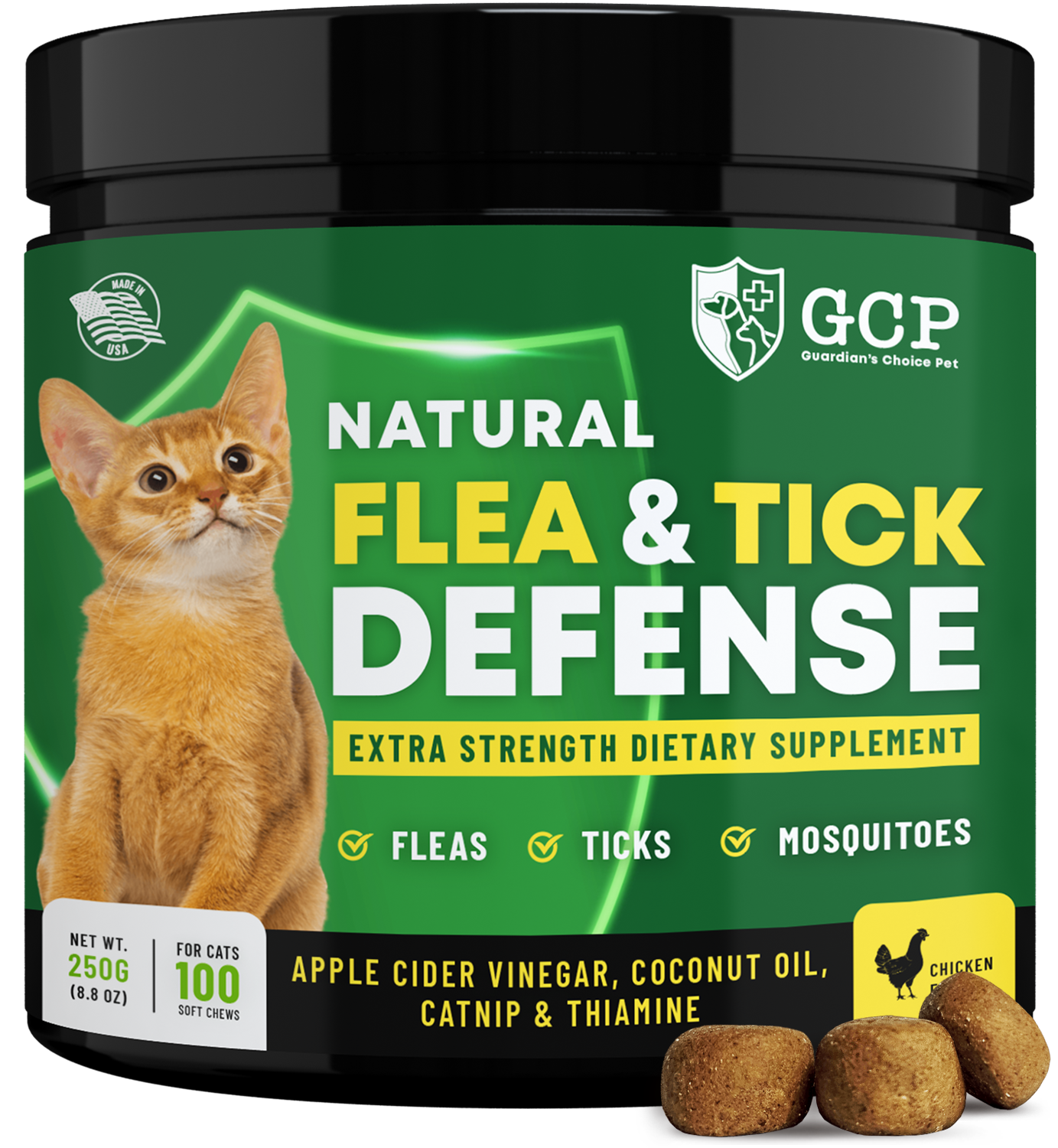
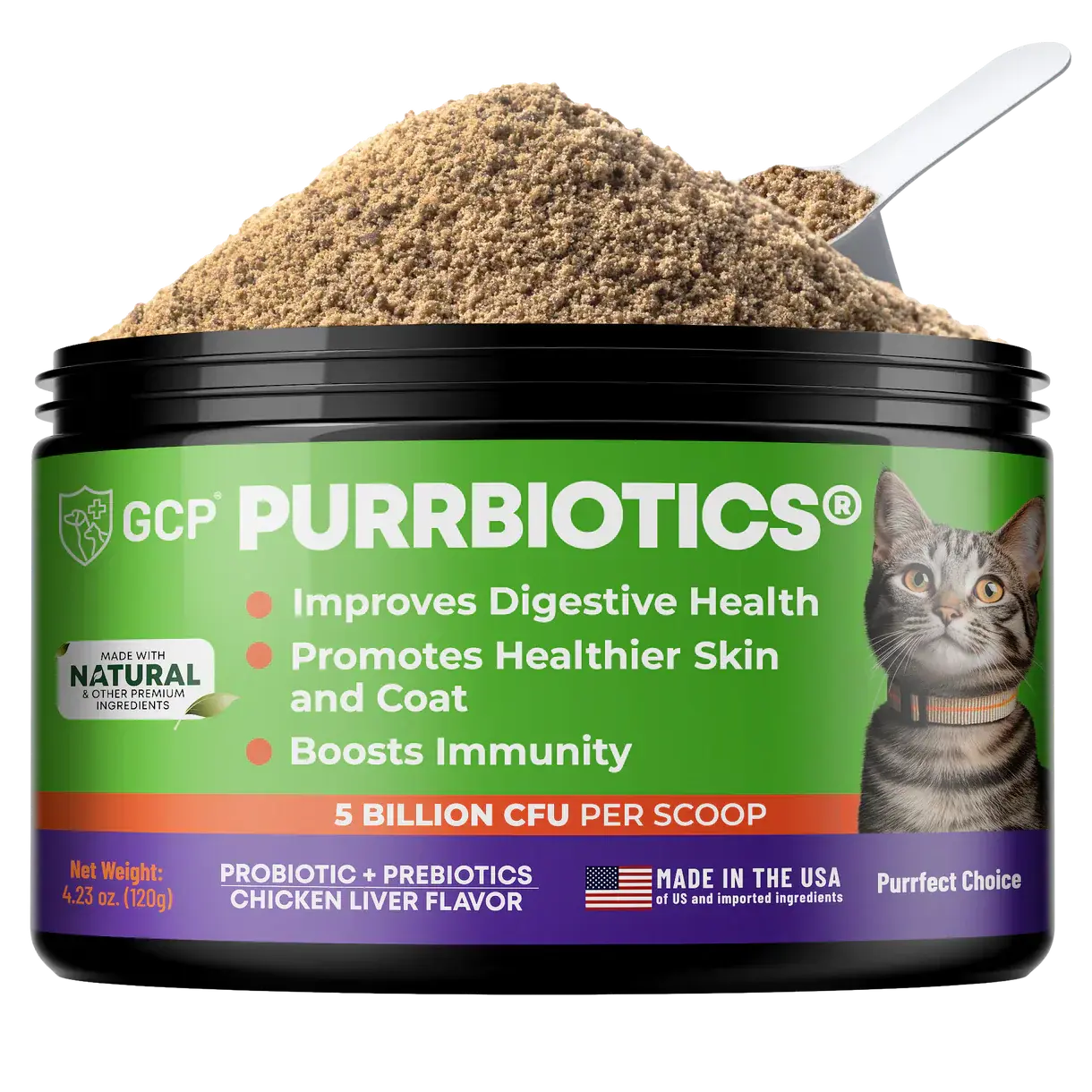
Total Defense: Our Purrbiotics + Flea & Tick Natural Defense Chews for Cats provide a comprehensive solution by addressing external invaders while simultaneously healing the internal ecosystem, ensuring your cat doesn't just get clean—they get calm.
Frequently Asked Questions: Mites, Mood and the Microbiome
-
Aggression is a primary symptom of Parasite Stress. Even after the mites are gone, the nervous system can stay trapped in "fight-or-flight" mode. Your cat isn't being "mean"; they are neurologically exhausted and hyper-vigilant.
For all general inquiries, please contact us at info@guardianschoice.com
© Copyright. All rights reserved.