Mastering the Art of Cat Grooming: Tools, Techniques, and Safety Essentials
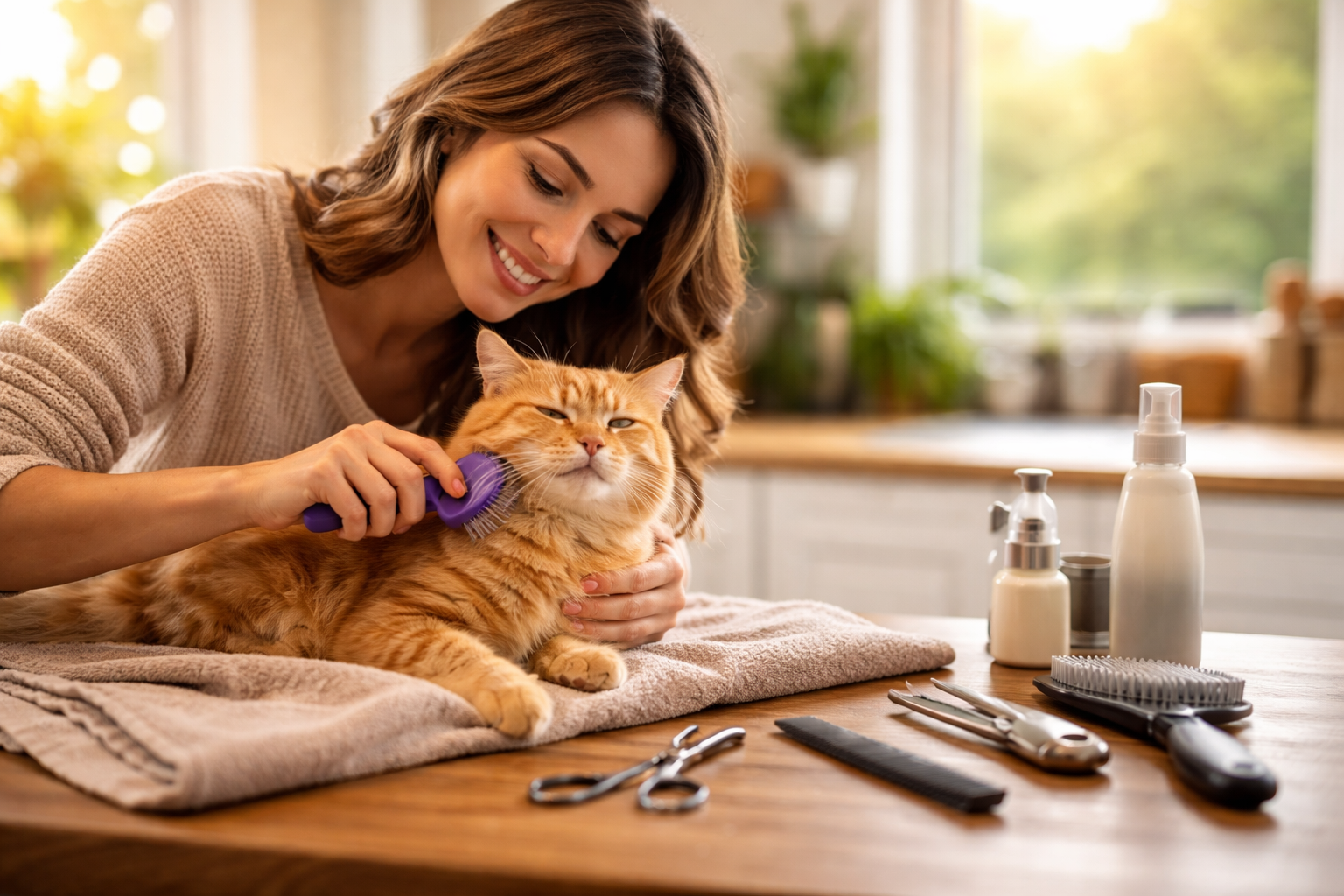
Proper cat grooming supports skin health, reduces shedding and hairballs, and strengthens the bond between cats and their owners. Using the right grooming tools, short stress-free sessions, and supportive nutrition like GCP Flea & Tick Natural Defense, GCP Purrbiotics, and GCP Cat L-Lysine helps maintain a healthy coat, balanced skin, and overall feline wellness.
Why Cat Grooming Matters More Than You Think
Cats have earned a reputation for being meticulous self-groomers. Anyone who has spent time around a cat has likely watched them dedicate large portions of the day to licking their fur and cleaning their paws. This natural behavior helps distribute skin oils, remove loose hair, and keep their coat relatively clean. However, despite their impressive grooming habits, most cats still benefit from regular assistance from their owners.
Brushing your cat is not just about maintaining a beautiful coat or reducing fur around the house. Grooming plays an important role in skin health, circulation, and overall comfort. Without regular brushing, loose hair can accumulate and form mats, especially in long-haired breeds. These mats can pull on the skin, causing irritation and discomfort. Over time, severe matting can even restrict movement or hide skin issues beneath the fur.
Another common issue related to insufficient grooming is hairballs. As cats groom themselves, they inevitably swallow loose hair. Small amounts of hair pass through the digestive system normally, but excess fur can accumulate in the stomach, leading to hairball formation. Regular brushing significantly reduces the amount of hair your cat ingests.
Routine grooming sessions also give pet parents the opportunity to check their cat for early signs of health concerns. Fleas, skin irritation, lumps, or unusual patches of fur loss can often be detected during brushing sessions. Early detection helps ensure that potential issues are addressed before they become more serious.
Essential Grooming Tools Every Cat Parent Should Own
Choosing the right grooming tools makes a significant difference in both effectiveness and your cat’s comfort. Just as you would not use the wrong tool on delicate fabrics, using the incorrect grooming brush can irritate your cat’s skin or fail to remove loose fur properly.
Slicker Brushes
Slicker brushes are one of the most effective grooming tools for medium-to-long-haired cats. Their fine, angled bristles help remove loose hair from deeper layers of the coat. These brushes are particularly useful for preventing mats from forming in areas where fur tends to tangle, such as behind the ears, under the legs, and along the belly.
When used gently and in the direction of hair growth, slicker brushes can remove trapped hair while stimulating the skin and distributing natural oils across the coat.
Metal Combs
Metal combs are ideal for line brushing, a grooming technique that ensures the undercoat is reached. While brushes often remove surface fur, combs help identify hidden tangles and mats that may be forming close to the skin. This makes them especially valuable for long-haired breeds such as Persians or Maine Coons.
Using a comb after brushing can confirm that the coat is completely free of knots.
Silicone Grooming Mitts
For cats that dislike traditional grooming tools, silicone grooming mitts offer a gentler alternative. These soft rubber tools mimic the feeling of petting while collecting loose fur. Many cats find this method more comfortable because it resembles affectionate stroking rather than brushing.
Silicone mitts work particularly well for short-haired cats or those sensitive to metal bristles.
Fine-Tooth Combs and Safety Scissors
Fine-tooth combs are useful for delicate areas such as the face, paws, and areas around the ears. They can also help detect fleas or flea debris during grooming sessions.
Blunt-nose grooming scissors are sometimes necessary for severe matting, but they must be used carefully to avoid injury. In many cases, severe mats are best addressed by professional groomers or veterinarians.
The “Less Is More” Grooming Technique
Many cats tolerate grooming better when sessions are short and predictable. Cats are highly sensitive animals, and prolonged brushing sessions can lead to overstimulation or frustration.
The “less is more” technique focuses on keeping grooming sessions brief, typically lasting three to five minutes. Instead of trying to groom the entire body in one session, focus on one area at a time. Over several days, you can cover the entire coat without overwhelming your cat.
Always brush in the direction of hair growth and pay attention to your cat’s body language. Tail twitching, flattened ears, or sudden attempts to move away often indicate that your cat has reached their safety threshold. Ending the session before frustration builds helps maintain a positive association with grooming.
Pairing grooming sessions with small treats or gentle praise can further reinforce positive behavior.
How Grooming Supports Skin, Coat, and Overall Health
Healthy skin and a shiny coat are often visible indicators of a cat’s internal wellness. Grooming helps distribute natural oils across the fur, promoting softness and shine while preventing dry patches.
However, external grooming is only one part of the equation. Skin health is influenced by multiple factors including diet, immune balance, and digestive health. When a cat’s internal systems are supported, their coat tends to appear fuller, softer, and healthier.
Digestive health plays a surprising role in skin and coat condition. The gut influences nutrient absorption, immune responses, and inflammation levels throughout the body. When digestive balance is disrupted, skin irritation and coat dullness may follow.
Similarly, immune health influences how well a cat responds to environmental stressors such as seasonal allergens or viral exposure.
Supporting Grooming from the Inside Out with GCP Cat Wellness Products
While grooming tools address external coat care, nutritional and wellness support helps maintain healthy skin and immune balance from within. Guardian’s Choice offers several targeted supplements designed to support feline wellness alongside regular grooming routines.
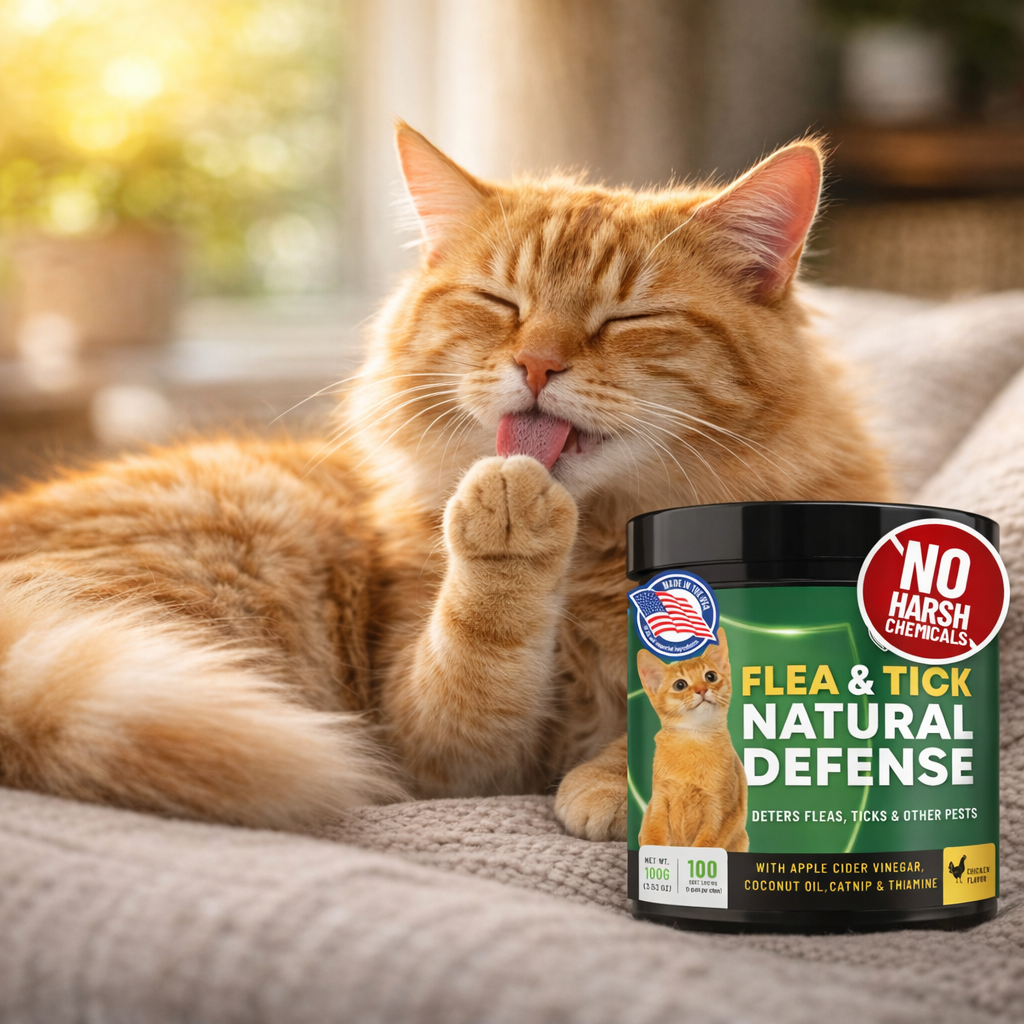
GCP Flea & Tick Natural Defense for Cats helps deter fleas, ticks, and other pests using a formula designed without harsh chemicals. Parasites are one of the most common causes of excessive scratching and skin irritation. By supporting natural pest deterrence, this supplement helps maintain skin comfort and coat condition.
Digestive balance also contributes to skin health. GCP Purrbiotics Daily Probiotics for Cats provide beneficial bacteria that support gut health and immune function. A balanced microbiome helps optimize nutrient absorption and supports the body’s natural defenses, which may contribute to healthier skin and a more vibrant coat.
Respiratory and immune health are equally important, particularly in multi-cat households or stressful environments. GCP Cat L-Lysine Advanced Immune Support provides targeted immune reinforcement designed to support respiratory and eye health. A strong immune system helps cats maintain overall wellness, which is reflected in their energy levels, coat quality, and skin resilience.
Together, these products complement regular grooming routines by supporting the internal systems that influence skin health and coat quality.
Frequently Asked Questions
-
Short-haired cats usually benefit from brushing once per week, while long-haired breeds often require daily brushing to prevent mats.
Conclusion
By combining the right grooming tools, short stress-free grooming sessions, and internal wellness support from GCP Flea & Tick Natural Defense, GCP Purrbiotics, and GCP Cat L-Lysine, cat owners can create a complete care routine that keeps their feline companions healthy, comfortable, and beautifully groomed.
For all general inquiries, please contact us at info@guardianschoice.com
© Copyright. All rights reserved.