
Simple Steps to Support Your Pet’s Daily Routine and Save
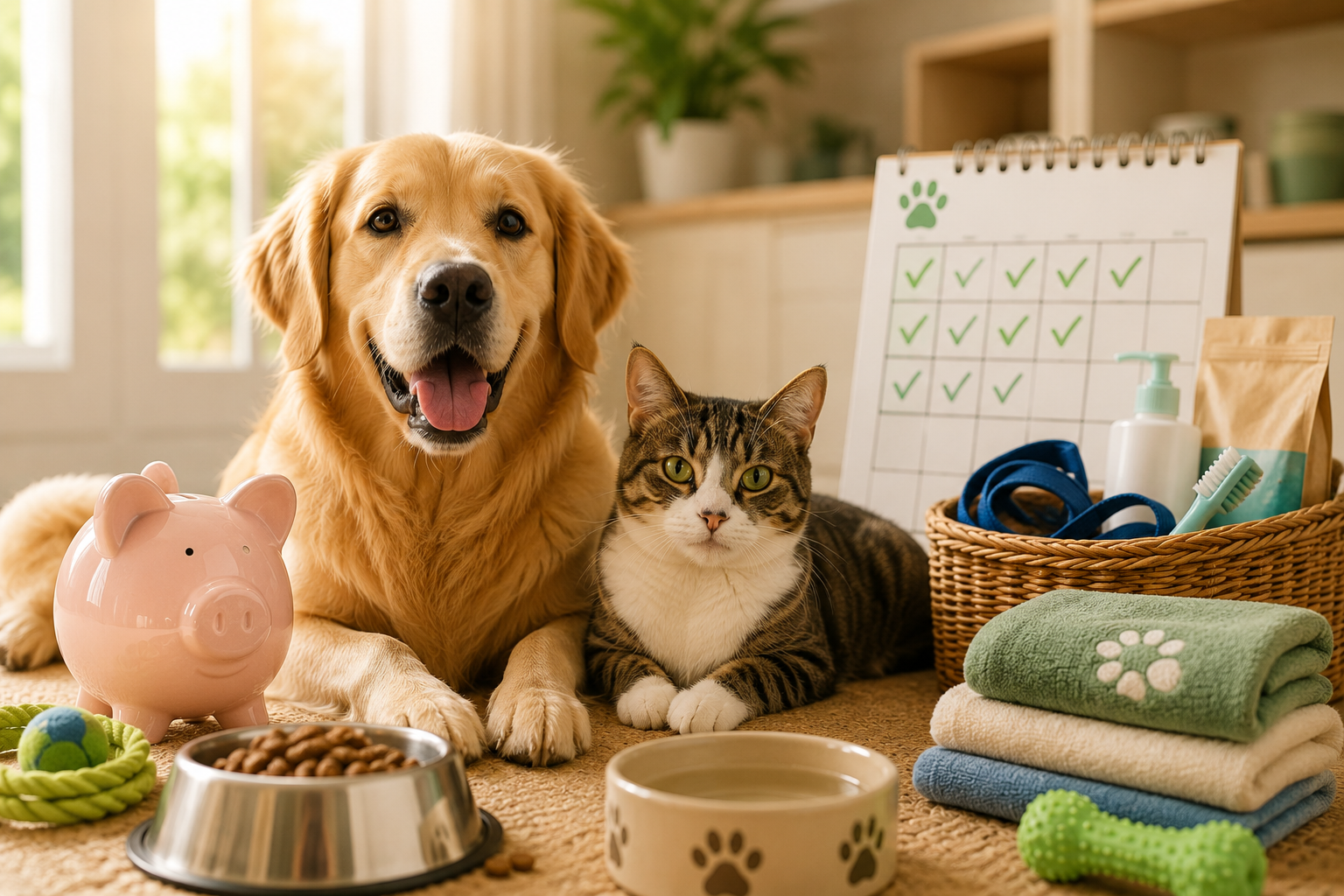
A dependable pet wellness routine begins with familiar meals, movement, grooming, hydration, rest, and regular veterinary care. Thoughtfully selected daily supplements can complement those habits, and today is the final opportunity to save 20% on participating GCP pet wellness products.
Creating a daily wellness routine for your dog or cat does not have to mean filling the day with complicated steps. In many homes, the most valuable habits are also the simplest: feeding meals at familiar times, keeping fresh water available, providing age-appropriate activity, checking the skin and coat, maintaining a clean sleeping area, and noticing changes in appetite, digestion, energy, or behavior.
These everyday actions become especially important when life gets busy. Travel, visitors, long weekends, seasonal weather, and changes in the household schedule can make it easier to forget a grooming session, delay a meal, or introduce several new treats at once. A consistent pet care routine provides a familiar foundation even when the rest of the day looks different.
Daily pet supplements may also have a place within that routine when they are appropriate for the individual animal. The key is to treat them as supportive additions rather than quick fixes, cures, or replacements for a complete diet and professional veterinary advice. By choosing products carefully and introducing them thoughtfully, pet parents can create a routine that feels manageable, personalized, and easier to maintain over time.
Why Consistency Matters More Than a Complicated Routine
Pet wellness is rarely shaped by one perfect day. It is usually influenced by the small actions repeated throughout the week, such as keeping meals predictable, providing clean water, encouraging suitable activity, maintaining oral and coat care, and following veterinarian-recommended health plans.
Dogs and cats often become familiar with the rhythm of their households. They learn when breakfast arrives, which walk happens after work, where they rest in the evening, and what signals bedtime. That predictability can make daily care easier because each step becomes connected to a habit that already exists.
A wellness routine should also be realistic for the person providing the care. An elaborate schedule may look impressive, but it is less helpful when it becomes difficult to maintain after a few days. A shorter routine that fits naturally into feeding, grooming, or bedtime is often more sustainable.
Begin by identifying the care your pet already receives consistently, then look for gaps that may deserve more attention. One household may need to improve dental care, while another may want a more dependable grooming schedule or a simpler way to remember a daily nutritional supplement. The goal is not to give every pet the same routine, but to build one that reflects the animal’s species, age, diet, activity, health history, and veterinary guidance.
Start With the Everyday Foundations of Pet Wellness
Before adding anything new, make sure the basics are working well. A complete and appropriate diet, regular access to fresh water, suitable exercise or play, a clean environment, and routine veterinary care should remain at the center of the plan.
Meals are a natural anchor for other daily habits. Feeding at reasonably consistent times can make it easier to notice changes in appetite and may also provide a convenient reminder for supplements that are meant to be given with food. Always follow the specific product directions rather than assuming every chew, powder, or capsule should be used in the same way.
Movement is another important part of daily care, although the right amount varies widely. Puppies, adult dogs, senior pets, indoor cats, working breeds, and animals with health concerns may all have different needs. Activity should be enjoyable and appropriate rather than exhausting, and any significant change in tolerance, mobility, breathing, or recovery should be discussed with a veterinarian.
Grooming also gives pet parents an opportunity to notice subtle changes. Brushing the coat, checking the paws, looking at the ears, and becoming familiar with the normal condition of the skin can make unusual dryness, irritation, bumps, parasites, or excessive shedding easier to recognize. Grooming products and seasonal supplements can complement this attention, but they should not be presented as guaranteed protection against pests or skin conditions.
Oral care deserves a place in the routine as well. Dental chews and breath-support products may complement appropriate home care, but persistent bad breath, bleeding gums, difficulty chewing, drooling, or changes in eating behavior may require professional evaluation rather than another flavored chew.
Build New Habits Gradually and Thoughtfully
When pet parents are excited about improving a routine, it can be tempting to introduce several new products at once. A slower approach is usually easier to monitor because it gives you a clearer idea of how your pet responds to each addition.
Begin with one change and follow the label carefully. Observe appetite, stool quality, skin condition, energy, and general behavior, then record anything unusual. If the product is well tolerated and another addition is appropriate, introduce the next step according to the guidance of your veterinarian or the product instructions.
This gradual approach can be particularly useful with digestive wellness products. A study of a specific Lactobacillus acidophilus strain in healthy adult cats reported changes in intestinal microbial populations and certain immune measurements, suggesting that some probiotic strains may interact with feline digestive and immune systems. However, probiotic effects are strain-specific, and the study should not be interpreted as proof that every probiotic product will provide the same result or resolve digestive symptoms.
Persistent diarrhea, vomiting, constipation, loss of appetite, abdominal discomfort, weight changes, or lethargy should be discussed with a veterinarian. A supplement may complement an appropriate routine, but it should not delay evaluation when a pet’s symptoms are ongoing, severe, or unusual.
Patience also matters when evaluating a wellness product. Some products are designed for consistent daily use rather than immediate effects, while others may not be suitable for a particular pet at all. Avoid increasing the serving amount because you expect faster results, and never give a dog-specific product to a cat unless the label clearly states that it is appropriate.
Prepare Their Routine for Travel, Guests, and Busy Weekends
A dependable daily routine becomes even more valuable when the household schedule changes. Road trips, family gatherings, boarding, holidays, and long weekends can affect feeding times, sleep, activity, and access to familiar spaces.
Before travel, pack enough of your pet’s usual food and approved supplements for the entire trip, with a little extra in case plans change. Bring familiar bowls, bedding, medication, waste supplies, veterinary contact information, and an appropriate carrier or vehicle restraint. Keeping products in their original containers helps preserve directions, lot information, and ingredient details.
During gatherings, protect the parts of the routine that help your pet feel settled. Maintain normal meals when possible, provide a quiet resting area, and avoid allowing guests to offer unfamiliar foods or extra supplements. A busy day is not the ideal time to experiment with several new treats simply because the pet appears interested.
Seasonal outdoor activity may also require extra attention to the paws, skin, and coat. Check your pet after time in tall grass, brush, shared yards, or wooded areas, and continue the pest-control approach recommended by your veterinarian. Products described as natural flea and tick support should remain part of a broader plan rather than being treated as a guaranteed barrier or replacement for veterinarian-recommended protection.
A Simple Daily Pet Wellness Checklist
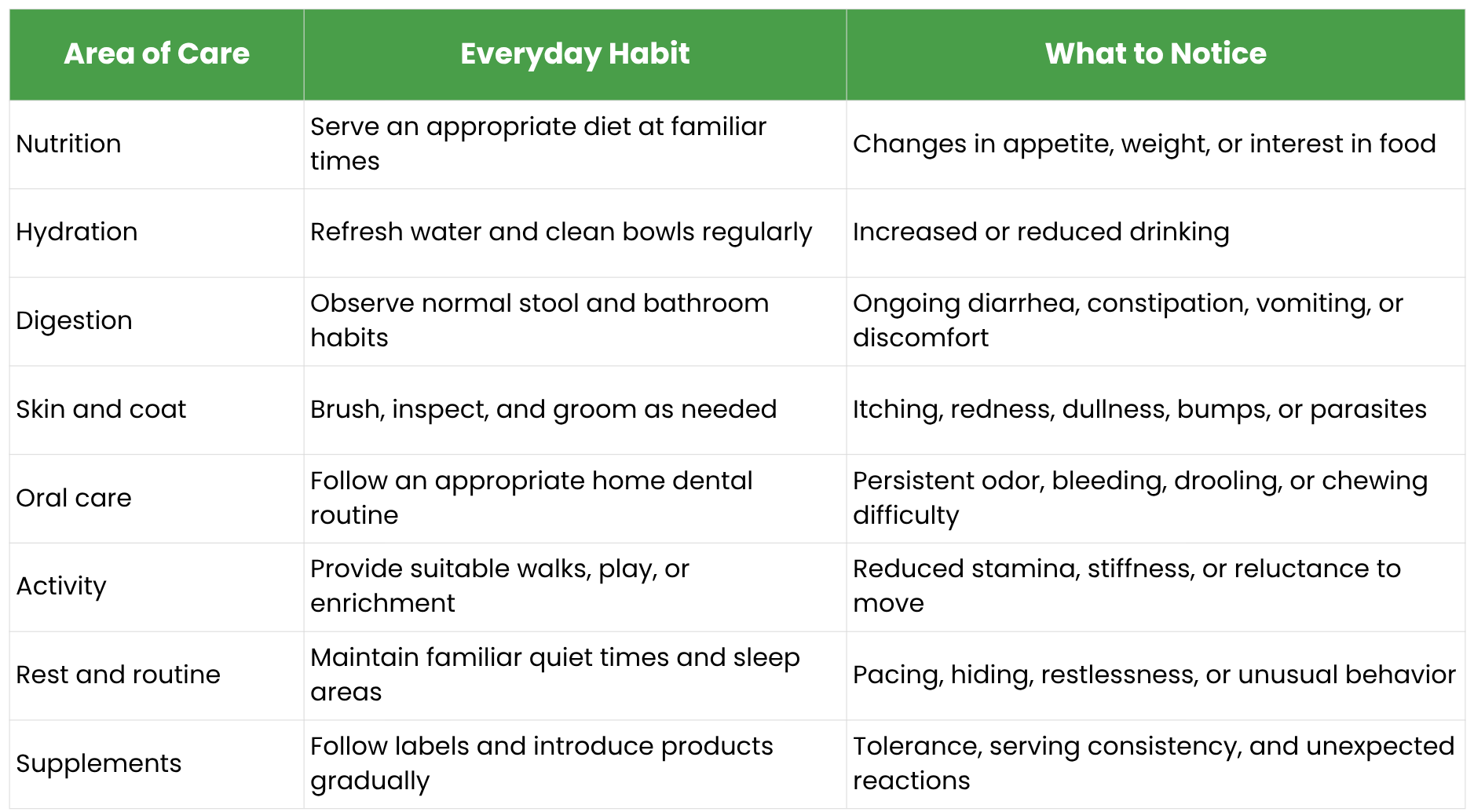
This checklist can be adapted rather than followed rigidly. A puppy may need more frequent meals and activity breaks, while a senior cat may benefit from easier access to water, litter areas, and comfortable resting places. The best routine is the one that reflects what your pet needs and what your household can maintain consistently.
Bring Their Routine Together With GCP Favorites
Once the daily foundations are in place, Guardian’s Choice products can help pet parents organize targeted wellness support around familiar habits. The GCP range includes options for puppies, adult dogs, and cats, allowing families to select products that correspond with specific areas such as daily nutrition, digestive wellness, skin and coat care, seasonal routines, and oral care.
GCP VitaPup Multivitamin Chews can be considered for puppy-focused nutritional support, while GCP Cat L-Lysine provides a cat-specific option for owners building a consistent feline wellness schedule. GCP OmegaPaws Krill Omega-3 is designed to complement skin and coat care, and GCP Flea & Tick Natural Defense for Dogs or Cats can fit into a broader seasonal routine that still includes grooming, environmental care, coat checks, and veterinary guidance.
For digestive routines, GCP Purrbiotics offers a daily probiotic format for cats, while NO POO Probiotic Chews are intended for dog households addressing occasional stool-eating habits as part of a larger behavioral, dietary, and veterinary plan. GCP Breath Boost Bites can be added to an oral wellness routine, although they should not replace tooth brushing, professional dental evaluation, or treatment when dental symptoms are present.
According to the promotional details provided, today is the final opportunity to save 20% on participating GCP products. It is a practical time to review what is already working, choose products that match your pet’s actual needs, and avoid purchasing items simply because they are discounted.
Frequently Asked Questions
-
A limited-time promotion can be a helpful reminder to check which products you already use and whether you are running low. Purchase only items that suit your pet’s current plan, and confirm the promotion’s eligibility and terms before ordering.
Small Daily Habits Can Create a More Consistent Routine
A strong pet wellness routine does not need to be complicated, expensive, or perfect. It begins with the care that supports everyday comfort: appropriate food, clean water, suitable activity, grooming, rest, observation, and regular veterinary attention.
Supplements can become useful additions when they are selected thoughtfully, introduced gradually, and used according to the current label. By connecting each step to an existing habit, such as breakfast, evening grooming, or bedtime, pet parents can make consistency feel more natural.
Today’s 20% savings event may provide a timely opportunity to stock up on participating GCP products, but the best purchase is one that fits a clearly defined need. Thoughtful care should always come before urgency, even during the final hours of a promotion.
Build Their Routine With GCP Daily Wellness Favorites
Guardian’s Choice offers a range of species- and life-stage-specific products designed to complement everyday pet care. From puppy nutrition and feline digestive wellness to coat care, oral routines, and seasonal support, each product can be connected with an existing daily habit rather than treated as a stand-alone cure or guaranteed result.
-
GCP VitaPup Multivitamin Chews: Designed to complement a puppy’s complete diet and daily nutritional routine
-
GCP Cat L-Lysine: A cat-specific option that can be incorporated into an established feline wellness plan
-
GCP OmegaPaws Krill Omega-3: Created to complement regular skin and coat care
-
GCP Flea & Tick Natural Defense: Available in dog and cat formulas for broader seasonal wellness routines
-
GCP Purrbiotics: A convenient daily probiotic format for feline digestive support
-
NO POO Probiotic Chews: Designed for dog households working on stool-eating concerns alongside behavioral and veterinary care
-
GCP Breath Boost Bites: An easy-to-use addition to a broader oral wellness routine
-
20% savings: Available today on participating products, subject to the campaign’s final terms and exclusions
GCP daily wellness products may be a helpful choice for pet parents who value convenient formats and a more organized care routine. Review each current label, select only products appropriate for your pet, and use the final day of the promotion to purchase intentionally rather than adding unnecessary steps.
Reference
Marshall-Jones, Z. V., Baillon, M. L. A., Croft, J. M., & Butterwick, R. F. (2006). Effects of Lactobacillus acidophilus DSM13241 as a probiotic in healthy adult cats. American Journal of Veterinary Research, 67(6), 1005–1012. https://doi.org/10.2460/ajvr.67.6.1005
For all general inquiries, please contact us at info@guardianschoice.com
© Copyright. All rights reserved.