
The Labor Day Pet Care Checklist Every Pet Parent Should Remember
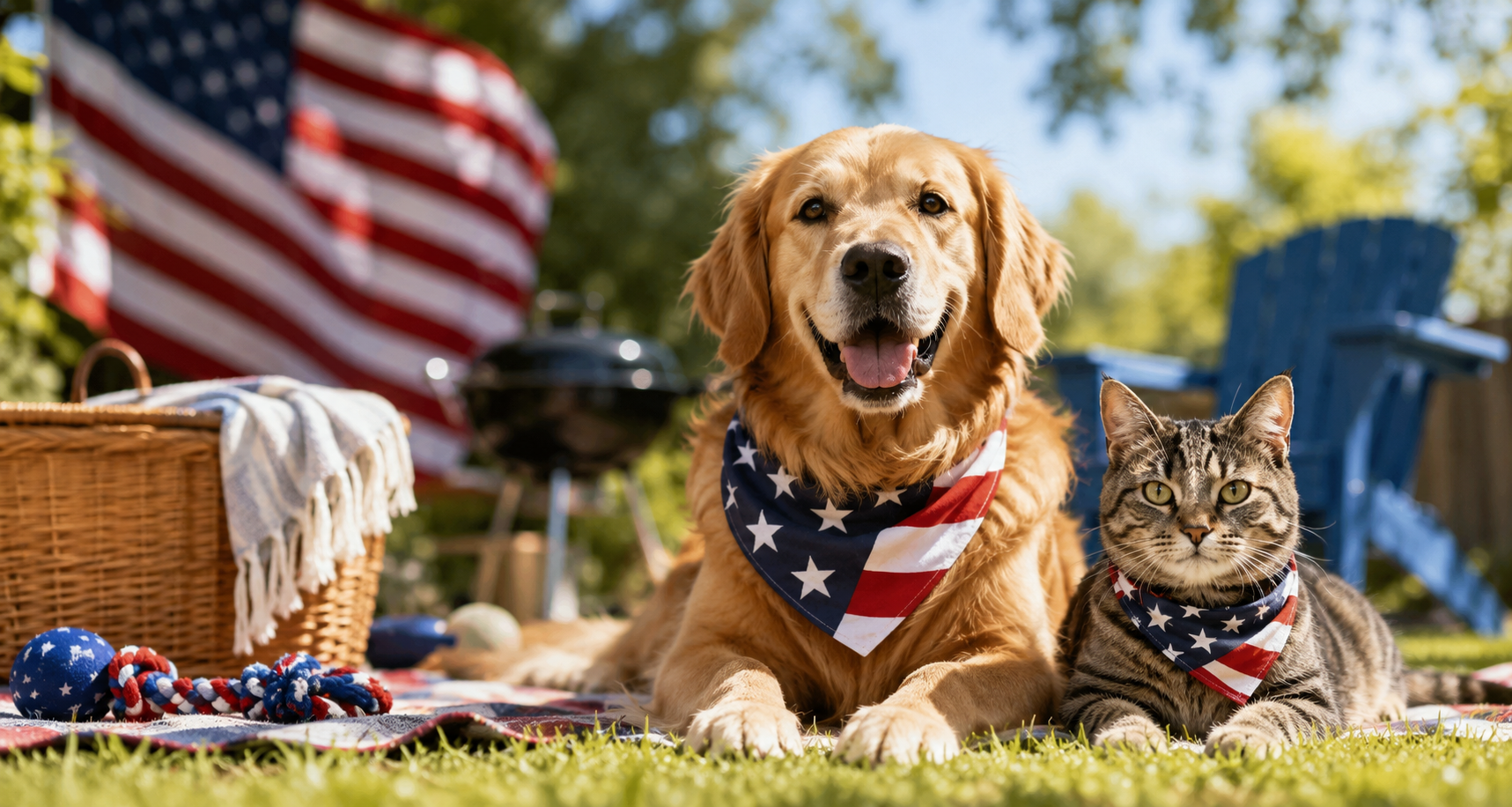
Labor Day weekend can bring longer walks, backyard meals, visiting guests, road trips, and changes to your pet’s familiar routine. Planning for hydration, safe foods, quiet spaces, coat checks, secure identification, and consistent seasonal care can help your dog or cat stay comfortable while the family enjoys the holiday.
Labor Day weekend often feels like the final big celebration of summer. Families gather outdoors, dogs join longer walks, cats watch visitors move through the house, and normal schedules make room for cookouts, travel, and extra time together. For pets, however, a fun long weekend can also mean more noise, unfamiliar food smells, additional outdoor exposure, and fewer of the predictable moments that usually shape their day.
A thoughtful Labor Day pet safety plan does not need to take the joy out of the holiday. In fact, a little preparation can make it easier to include your pet without asking them to handle every activity, guest, or schedule change at once. The goal is to preserve the parts of their routine that help them feel secure while making sensible adjustments for the weekend ahead.
Why a Long Weekend Can Feel Different to Your Pet
People may welcome an unexpected break from routine, but many dogs and cats rely on familiar patterns. Regular mealtimes, walks, naps, litter-box habits, play sessions, and bedtime rituals help pets understand what comes next, so even pleasant changes can create temporary restlessness.
A backyard gathering may bring loud conversations, music, children running, doors opening, and people offering attention from every direction. A dog who normally enjoys guests may become tired after several hours of interaction, while a cat who is friendly in a quiet home may prefer to hide once the house fills with unfamiliar voices.
Watch your pet’s body language instead of assuming they want to participate in everything. Moving away, hiding, pacing, repeated lip licking, flattened ears, a tucked tail, excessive vocalizing, or difficulty settling can suggest that the environment has become too stimulating. These behaviors can have several causes, so the best response is usually to create space, lower the activity around the pet, and let them decide whether they want to return.
Prepare for Longer Walks and Outdoor Adventures
The holiday weekend is a popular time for parks, hiking trails, campgrounds, lakes, and longer neighborhood walks. Before leaving home, consider the temperature, humidity, ground conditions, access to shade, length of the outing, and whether your pet is accustomed to that level of activity.
Bring more water than you expect to need, along with a portable bowl, waste bags, a secure leash or harness, current identification, and any supplies recommended by your veterinarian. Do not assume that a stream, pond, or public water bowl is the best drinking option, especially when you cannot confirm its cleanliness.
Pay attention to your pet’s pace throughout the outing. Heavy panting, slowing down, repeatedly seeking shade, refusing to continue, appearing disoriented, or showing unusual weakness deserves immediate attention. Move to a cooler area, offer water without forcing it, and contact a veterinarian when symptoms seem significant or do not improve promptly.
Once you return home, gently examine your pet’s paws, ears, belly, underarms, neck, and coat. Burrs, grass seeds, dirt, small cuts, insects, and irritation are often easier to notice before your pet begins persistent licking or scratching.
Make Backyard Gatherings Safer and More Comfortable
A backyard gathering can look familiar to you while feeling completely different to your pet. Tables, coolers, chairs, grills, decorations, and groups of guests can change the layout of a space your dog or cat normally understands.
Before visitors arrive, check fences, gates, screens, doors, and latches. Make sure your pet’s identification is current, and tell guests not to leave an exterior door open, even for a moment. A pet can slip away while someone is carrying food, greeting another guest, or moving between the house and yard.
Create a comfortable resting area away from the busiest part of the gathering. It should include clean water, shade or indoor cooling, familiar bedding, and enough distance from food preparation and foot traffic. Social pets may move between the gathering and their quiet space, while more cautious pets may prefer to remain indoors for most of the event.
Supervision is particularly important around grills, fire pits, hot utensils, skewers, charcoal, trash bags, and discarded food wrappers. Guests may not know your usual household rules, so a friendly reminder at the beginning of the event can prevent confusion later.
Keep Holiday Foods Away From Curious Pets
The aroma of grilled food can make even a well-mannered pet unusually interested in the table. Guests may also offer bites without realizing that certain ingredients, rich sauces, bones, desserts, or alcoholic drinks are not appropriate for dogs or cats.
Ask everyone to avoid feeding your pet from their plate. Keep veterinarian-approved treats nearby so guests have a suitable option when they want to include the family pet, and store trash in a secure container rather than leaving it beside the gathering.
It is also helpful to feed your pet according to their normal schedule. Delaying dinner until the party ends may make them more likely to search for dropped food, while suddenly offering a large amount of unfamiliar treats can lead to digestive discomfort.
Contact a veterinarian or pet poison service promptly when you believe your pet has eaten something unsafe. Waiting for symptoms can delay appropriate guidance, especially when you do not know how much was consumed.
Help Cats and Cautious Dogs Handle Visiting Guests
A quiet retreat is one of the kindest things you can prepare before guests arrive. Choose a room away from the main gathering and include familiar bedding, water, toys, and anything else your pet normally uses to feel settled. Cats should also have access to a clean litter box and an appropriate hiding place.
Set up the space before the home becomes busy so it already smells and feels familiar. Ask guests, particularly children, not to follow a pet who walks away, reaches a resting area, or hides beneath furniture.
Some pets may want to greet visitors and then rest, while others may prefer not to participate at all. Neither response is wrong. Giving a pet control over interaction can help the gathering feel less demanding.
Keep mealtimes, bathroom breaks, medication schedules, and regular one-on-one attention as consistent as possible. A familiar evening walk or quiet play session can reassure your pet that the household rhythm has not disappeared simply because guests are present.
Plan Ahead for Labor Day Travel
Travel adds another layer of change because your pet may encounter an unfamiliar vehicle, hotel, home, campsite, or boarding environment. Begin preparing before departure by confirming identification, veterinary contact information, lodging rules, and the supplies your pet will need.
Pack their usual food rather than relying on a last-minute substitute, and bring familiar bedding, medication, bowls, cleanup supplies, a secure carrier or restraint, and enough water for the trip. Sudden dietary changes can be difficult during an already unfamiliar weekend.
Schedule regular breaks on longer drives, but keep dogs leashed before opening the vehicle door. Cats should remain in a secure carrier during transit and while doors are open, even when they usually appear calm in the car.
Never leave a pet unattended in a parked vehicle. Temperatures inside a car can become unsafe even when the day does not feel especially hot, and cracked windows do not provide reliable protection.
Do Not Let the Calendar End Your Seasonal Routine
Labor Day is often treated as the unofficial end of summer, but environmental conditions do not change according to a holiday calendar. Warm afternoons, tall grass, leaf litter, wildlife activity, and sheltered areas may continue to affect outdoor exposure after the long weekend ends.
One field study examining adult blacklegged ticks found that ambient air temperature was associated with their activity. The study does not represent every tick species or every region, but it supports the practical point that tick activity can depend on current conditions rather than disappearing on one seasonal date.
Continue checking your pet after time in grass, brush, wooded areas, or shared outdoor spaces. Maintain yard care, wash pet bedding as appropriate, vacuum frequently used areas, and follow the flea and tick plan recommended by your veterinarian.
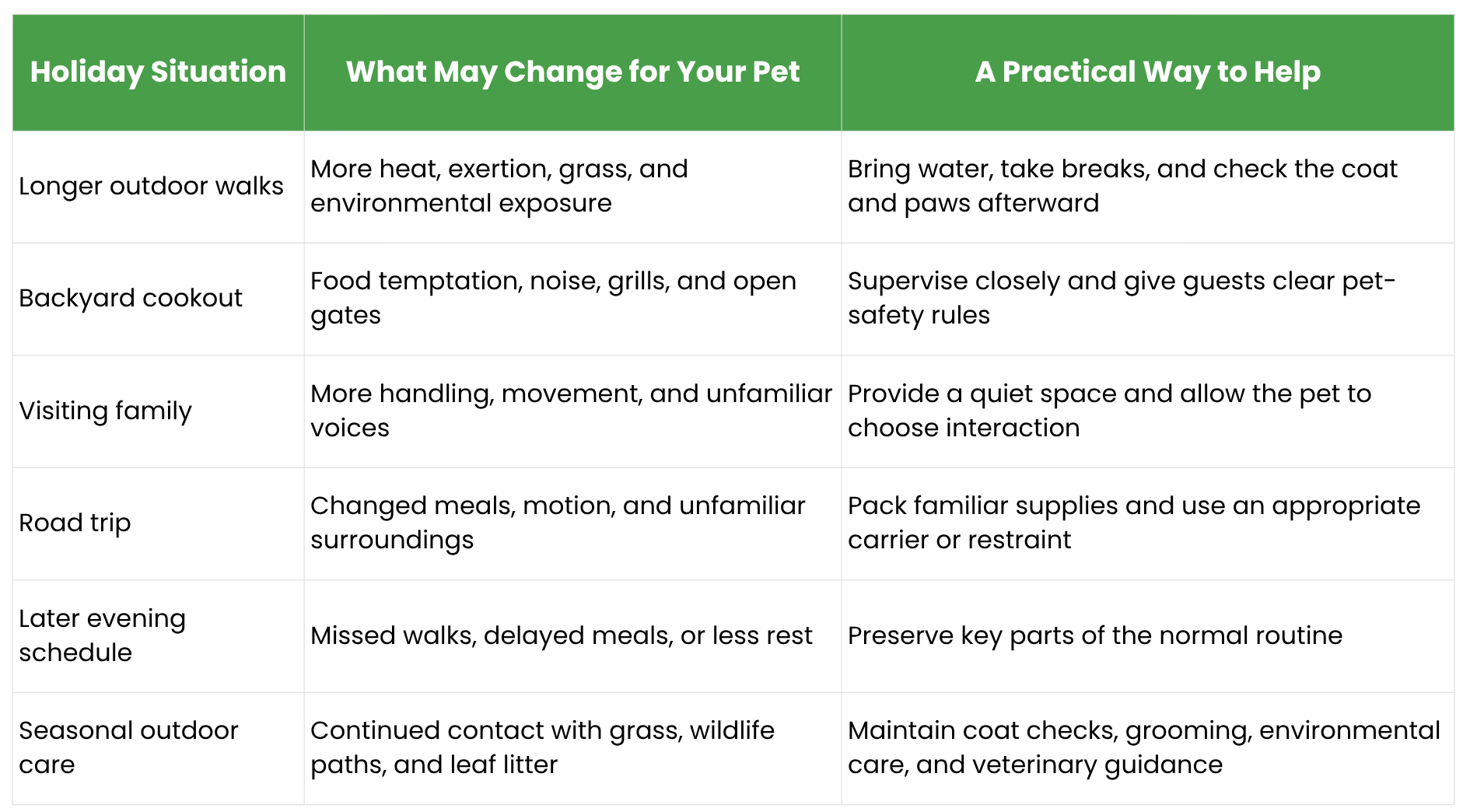
Your Labor Day Pet Care Checklist
Bring More Consistency to Seasonal Care
Once the practical parts of your Labor Day plan are in place, a convenient daily product can help make seasonal care feel easier to remember. Guardian’s Choice offers GCP Flea & Tick Natural Defense in separate dog and cat formulas, giving multi-pet households an option designed specifically for each species.
The 100-soft-chew formats are easy to work into an established routine and can complement regular grooming, coat checks, clean bedding, yard maintenance, and veterinarian-guided flea and tick care. They should not be treated as guaranteed pest prevention, a cure for an infestation, or a replacement for a veterinary product that has been recommended for your pet.
During the Labor Day Weekend Sale, pet parents can save 15% on participating GCP seasonal care products from September 4 through September 7, 2026. It is a timely opportunity to review what you have on hand and prepare for the weeks of outdoor activity that may continue after summer celebrations end.
Frequently Asked Questions
-
Begin a few days ahead by confirming identification, setting up a quiet space, gathering travel supplies, and reviewing household rules with guests. Keep meals, walks, medication, and other familiar routines as consistent as possible.
A Thoughtful Plan Makes More Room for Fun
Labor Day should create happy memories, not a complicated list of worries. By preparing safe food boundaries, secure outdoor spaces, clean water, familiar resting areas, and a consistent daily schedule, you can include your pet in the celebration while respecting what helps them feel comfortable.
The same thoughtful approach should continue after the holiday ends. Seasonal care works best when it responds to your pet’s environment, lifestyle, and veterinary needs rather than stopping because a date on the calendar has passed.
GCP Flea & Tick Natural Defense
GCP Flea & Tick Natural Defense for Dogs and GCP Flea & Tick Natural Defense for Cats offer species-specific soft-chew formats that can be added to a broader seasonal wellness routine. Each 100-count product is designed for convenient daily use alongside grooming, environmental care, regular checks, and veterinarian-recommended protection.
-
Separate formulas for dogs and cats
-
100 soft chews per container
-
Convenient format for an established daily routine
-
Complements coat checks and regular grooming
-
Fits alongside clean bedding and household care
-
Supports consistency during outdoor and travel seasons
-
Available at 15% off during the Labor Day Weekend Sale
Choosing a daily format can make it easier to maintain the routine you have already built for your pet. Shop during the September 4–7 sale, follow the label carefully, and speak with your veterinarian about how the product fits into your pet’s individual care plan.
Reference
Duffy, D. C., & Campbell, S. R. (1994). Ambient air temperature as a predictor of activity of adult Ixodes scapularis (Acari: Ixodidae). Journal of Medical Entomology, 31(1), 178–180. https://doi.org/10.1093/jmedent/31.1.178
For all general inquiries, please contact us at info@guardianschoice.com
© Copyright. All rights reserved.