
L-Lysine for Cats: Immune Support, Respiratory Health, and Managing Cat Sniffles Naturally
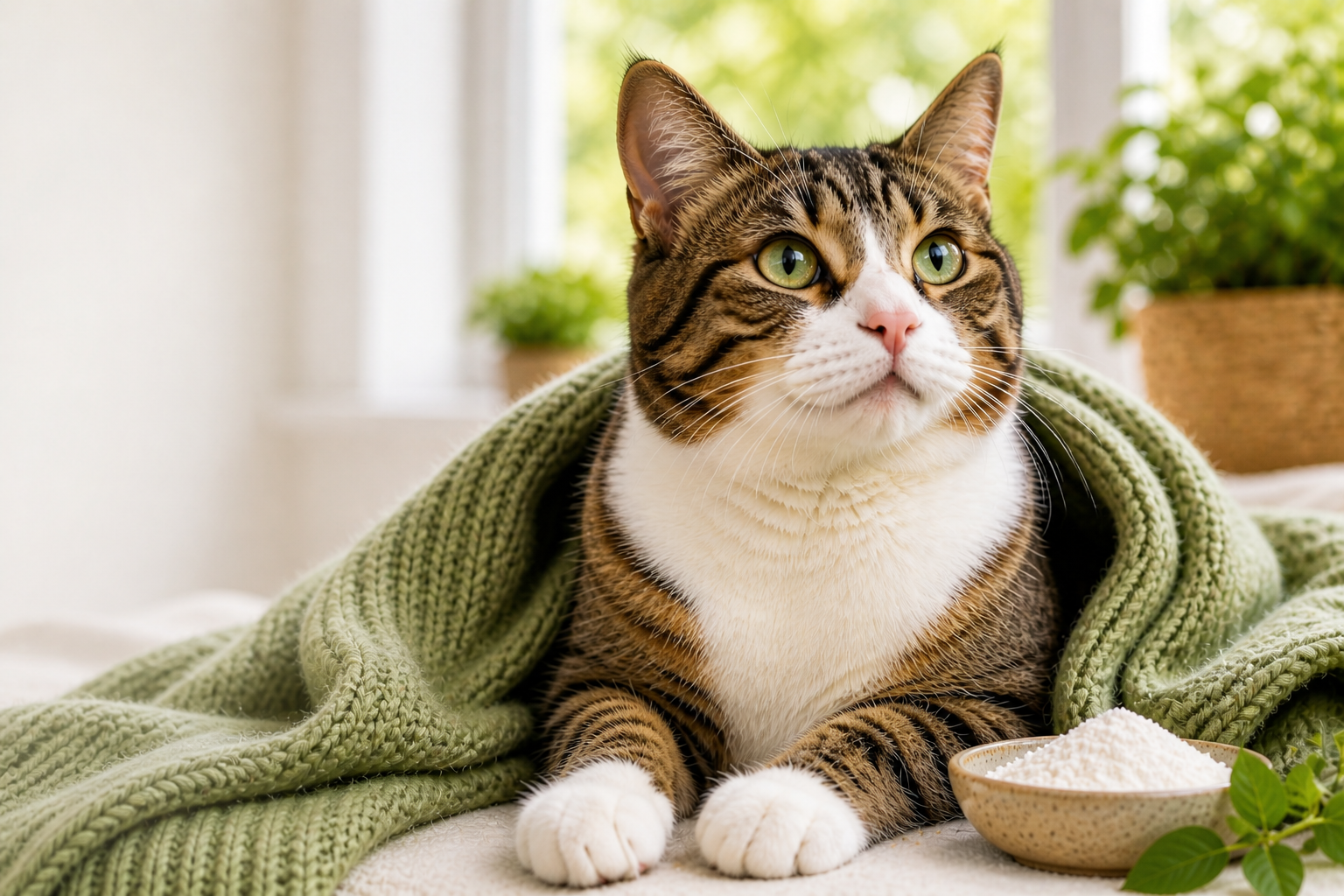
L-Lysine is commonly used to support cats experiencing respiratory concerns like sneezing and watery eyes. While research continues to evolve, it is often included as part of a broader immune-support routine. Combining L-Lysine with consistent habits like nutrition, hydration, and gut health may help maintain overall balance. A steady, daily approach is often more practical than relying on reactive care alone.
What Causes Cat Sniffles and Recurring Symptoms
If your cat has ever gone through phases of sneezing, watery eyes, or a runny nose that seems to return every few months, you’ve likely encountered what many pet owners call “cat sniffles.” These symptoms are most often associated with Feline Herpesvirus-1 (FHV-1), a highly common viral condition in cats. It’s estimated that a large percentage of cats are exposed to it early in life, particularly in multi-cat environments.
What makes FHV-1 different from many other conditions is its ability to remain dormant. Instead of leaving the body completely, it stays inactive until something triggers it to resurface. Stress, environmental changes, or shifts in immune balance can all play a role in these flare-ups. This is why symptoms often appear to come and go rather than follow a predictable pattern.
Understanding this cycle is important because it shifts how we approach care. Instead of focusing only on the symptoms when they appear, many pet owners are now looking at how to support their cat’s overall balance on a daily basis. Research published in Animals highlights how internal systems in pets respond to environmental and behavioral changes, reinforcing the idea that recurring symptoms are often tied to broader internal balance rather than a single cause.
How L-Lysine Is Thought to Support Cats
L-Lysine has been widely discussed in feline care, especially when it comes to respiratory health. As an essential amino acid, it plays a role in various biological functions and must be obtained through diet or supplementation.
The commonly shared theory behind L-Lysine involves its interaction with another amino acid called arginine. Arginine is involved in several processes within the body, including those that certain viruses rely on. L-Lysine is thought to compete with arginine, potentially influencing how these processes occur. Because of this, it has become a popular addition to routines focused on managing recurring respiratory concerns.
At the same time, it’s important to approach this topic with balance. Scientific discussions around L-Lysine are still ongoing, and studies have shown mixed perspectives. Rather than viewing it as a guaranteed solution, it is more accurate to consider it as one supportive element within a broader wellness strategy.
Many pet owners include L-Lysine as part of their cat’s daily routine because it aligns with a proactive approach—supporting the body consistently rather than waiting for symptoms to appear.
The Triple-Action Approach to Feline Wellness
When talking about respiratory concerns in cats, it’s easy to focus only on sneezing or nasal discharge. However, these symptoms are often connected to a wider system that includes the eyes, respiratory tract, and immune function.
This is where the idea of a “triple-action” approach comes in—supporting multiple areas at once rather than isolating one symptom.
Respiratory Support: Maintaining clear nasal passages and comfortable breathing is often the most noticeable concern. While this can fluctuate, consistent support helps maintain overall comfort.
Eye Health: Watery eyes or squinting are common alongside respiratory symptoms. Supporting overall balance can help maintain comfort in this area as well.
Immune Function: Since flare-ups are often linked to immune shifts, supporting the body’s natural defenses becomes a central focus. This doesn’t mean preventing conditions entirely, but rather maintaining stability over time.
By looking at these three areas together, pet owners can take a more complete and thoughtful approach to their cat’s wellness.
Daily Habits That Support Immune and Respiratory Balance
Consistency plays a major role in how cats experience recurring conditions. While supplements can be helpful, they work best when combined with simple, everyday habits that support overall balance.
Routine feeding schedules help regulate your cat’s internal rhythm. Cats thrive on predictability, and even small disruptions can influence how they feel. Hydration is equally important, as it supports multiple systems, including digestion and overall comfort.
Environmental stability also matters. Changes in surroundings, new pets, or even shifts in routine can act as stressors. Creating a calm, predictable environment helps support your cat’s internal balance over time.
Gut health is another factor that is increasingly part of the conversation. The digestive system plays a role in immune function, which is why many wellness routines now include support for the microbiome alongside other elements.
Comparing Preventive vs Reactive Approaches
Understanding the difference between proactive and reactive care can help clarify how L-Lysine fits into your cat’s routine.
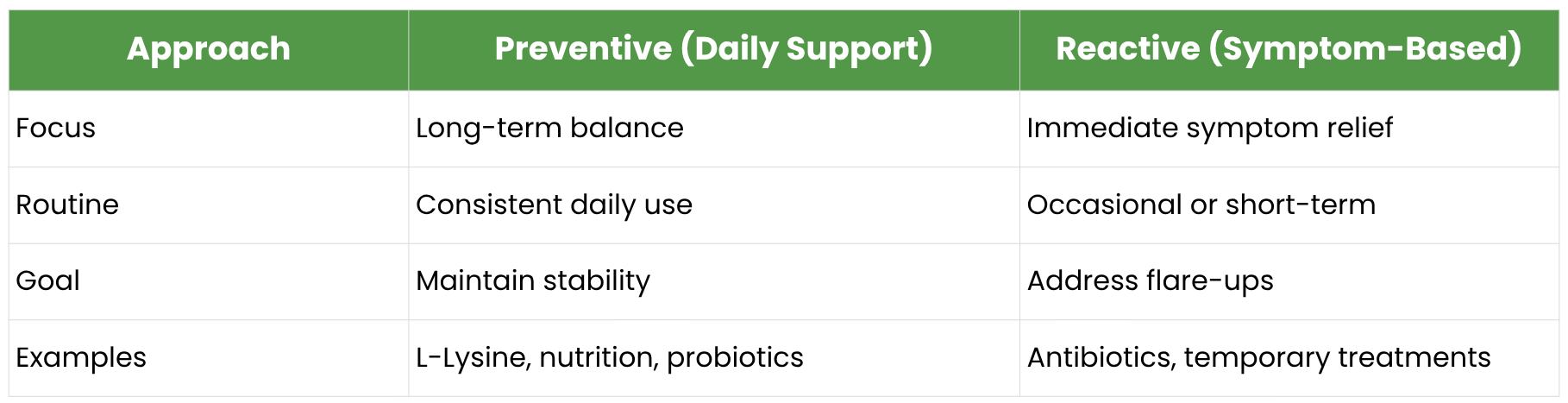
This comparison highlights an important shift in pet care. Instead of waiting for symptoms to appear, many pet owners are focusing on maintaining balance consistently.
A Consistent Way to Support Your Cat’s Routine
As routines become more structured, many pet owners look for ways to make daily support simple and sustainable. This is where thoughtfully designed products can fit naturally into everyday care.
GCP Cat L-Lysine is formulated to align with this approach. With 100% pure L-Lysine and an easy-to-mix chicken liver flavored granule format, it’s designed to fit seamlessly into daily feeding routines. The granules make it easier for picky eaters, which helps maintain consistency—an important factor in any long-term approach.
Rather than replacing other aspects of care, it works alongside habits like proper nutrition, hydration, and environmental stability. For pet owners looking to build a routine rather than react to symptoms, this type of product becomes part of a broader system of support.
FAQs
-
L-Lysine is commonly given in powder or granule form, which can be mixed directly into your cat’s food. This makes it easier to include in daily routines without disrupting feeding habits.
Supporting Your Cat Beyond the Symptoms
Feline respiratory concerns are rarely about a single symptom or a one-time solution. Instead, they are part of a broader pattern that reflects internal balance, routine, and environmental factors.
L-Lysine continues to be a widely used tool within this space, but its role is best understood as part of a larger system. When combined with consistent habits like proper nutrition, hydration, and stress management, it contributes to a more stable and supportive routine.
By focusing on balance rather than quick fixes, pet owners can create a more sustainable approach to their cat’s wellness.
GCP Cat L-Lysine
-
100% pure L-Lysine formula
-
Easy-to-mix chicken liver flavored granules
-
200 servings per container
-
Designed for daily use
-
Supports respiratory, eye, and immune health routines
A simple addition to your cat’s daily routine that helps support consistency—without overcomplicating care.
References
Rossi, M., Bianchi, L., Conti, F., & De Santis, R. (2024). Seasonal variations in grooming behavior and dermatological responses in domestic cats. Animals, 14(5), 1234. https://pmc.ncbi.nlm.nih.gov/articles/PMC11898201/
For all general inquiries, please contact us at info@guardianschoice.com
© Copyright. All rights reserved.