
Navigating Halloween: Keeping Your Dog Calm During Trick-or-Treating
Understanding the Halloween Hustle from Your Dog's Perspective
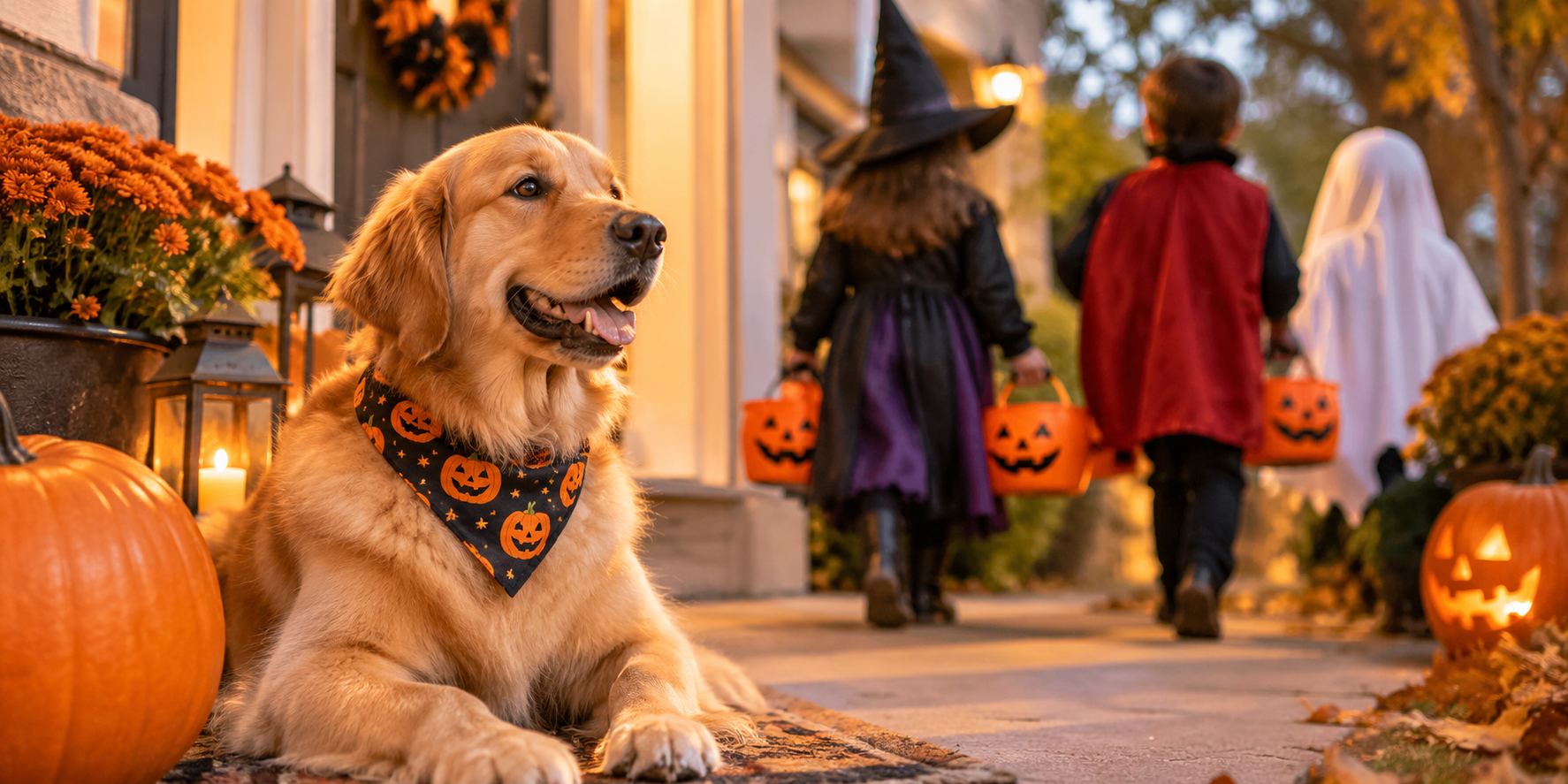
Halloween is arguably one of the most enjoyable nights of the year for the neighborhood, filled with creative costumes, joyful children, and plenty of sweet treats. However, for our dogs, this beloved autumn holiday can be a source of profound confusion and overwhelming sensory input. Dogs thrive on predictable routines and familiar environments, so when the sun goes down and a constant parade of strangers in unusual clothing begins marching up to their territory, it is completely natural for them to feel uneasy. The relentlessly ringing doorbell, the excited shouts from the porch, and the constant opening and closing of the front door completely disrupt their sense of normalcy.
When we want to provide the best calming environment for dogs, we have to start by understanding how they experience the world. Their hearing is incredibly acute, meaning the sudden, sharp sound of a doorbell or a knock resonates much louder and more intensely for them than it does for us. Furthermore, their primary way of identifying people is through scent and facial recognition, both of which are heavily masked by masks, heavy makeup, and elaborate costumes. It is easy to see why a normally confident dog might suddenly struggle with environmental stress on October 31st. Providing comprehensive canine nervous system support during these types of seasonal events involves a combination of external environmental management and internal nutritional fortification, ensuring they have the tools they need to stay comfortable and relaxed as the festivities unfold outside.
Building Their Ultimate Safe Haven
Because you know exactly what time the trick-or-treaters will begin arriving, you have the distinct advantage of being able to prepare your home well in advance. Creating a dedicated "safe haven" is one of the most effective ways to manage your dog's response to the evening's chaos. You will want to choose a room that is as far away from the front door as possible, ideally an interior room with fewer windows facing the street, such as a master bedroom, a cozy laundry room, or a finished basement. Long before the first knock on the door, set this room up to be an inviting, positive space by bringing in their favorite beds, a few articles of clothing that smell like you, and plenty of fresh water.
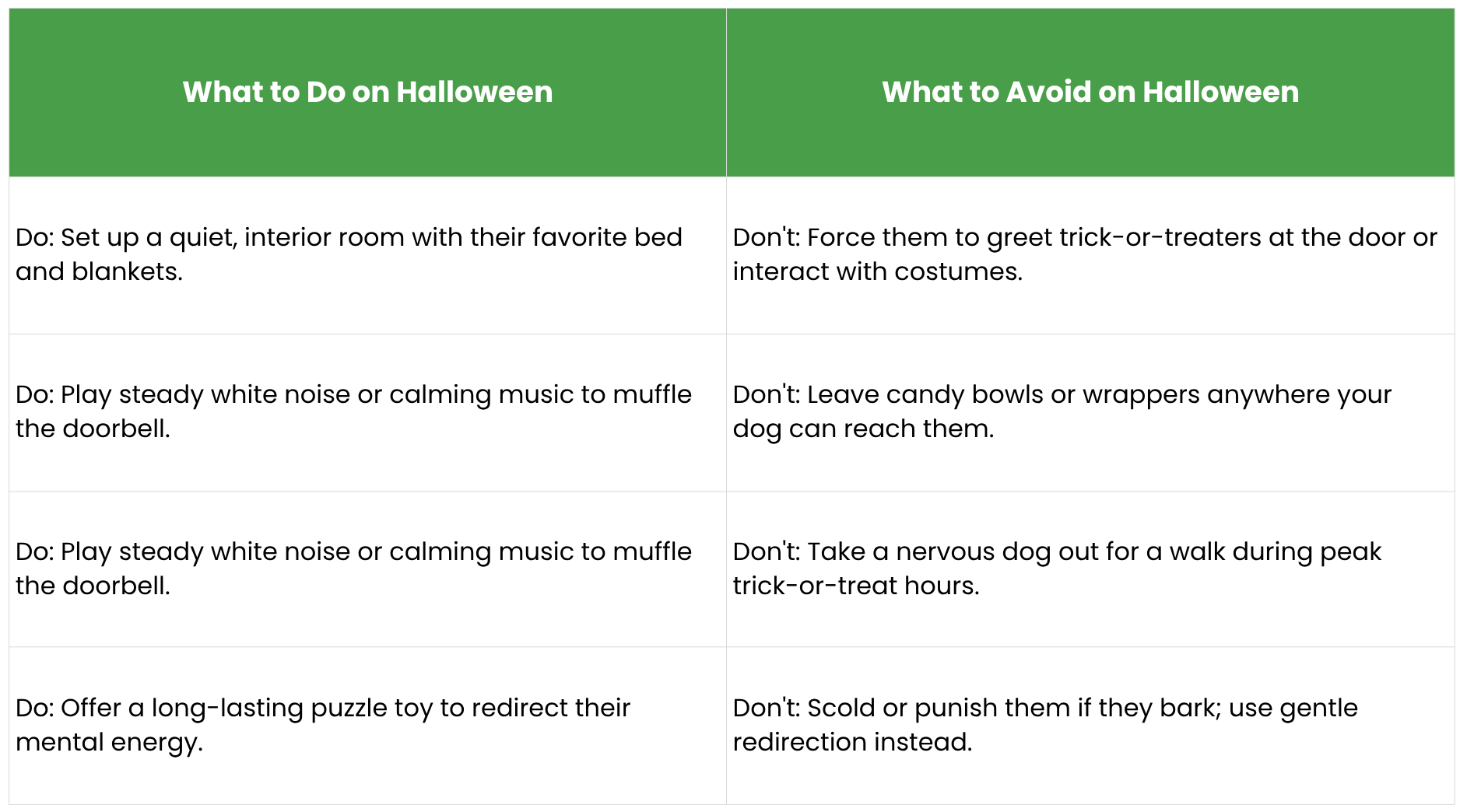
Sound masking is an incredibly important component of this safe room, as minimizing the auditory triggers will significantly reduce their reactivity. You can turn on a television, set up a box fan, or use a dedicated white noise machine to create a steady, comforting background hum that helps drown out the unpredictable noises from the front porch. Many pet owners also find success playing classical music or soft reggae, which have tempos that often align with a resting canine heartbeat. To help you visualize the best practices for the evening, we have put together a simple reference guide for managing the home environment.
Engaging Their Mind and Body Before Dusk
A tired dog is generally a more relaxed dog, which makes daytime preparation just as critical as your evening strategy. Before the neighborhood gets busy, aim to take your dog for a long, enriching walk to help them burn off any excess physical energy. Instead of just a brisk jog, allow them plenty of time to engage in a "sniffari," letting them thoroughly explore the scents of their environment. Sniffing is incredibly mentally stimulating for dogs, and processing those complex odors uses a significant amount of brain power, which can lead to a much deeper, more restful state later in the day.
Once the evening arrives and your dog is settled in their designated safe room, you can utilize positive redirection techniques to keep their mind occupied. Having high-value distractions ready—like a durable rubber puzzle toy stuffed with dog-safe peanut butter, plain yogurt, or mashed sweet potatoes—can make a massive difference. Freezing these toys ahead of time makes them last much longer, requiring your dog to focus their attention entirely on extracting the treat rather than fixating on the noises happening at the front of the house. Licking and chewing are naturally soothing behaviors for dogs, helping to promote a sense of relaxation even when their routine is disrupted.
The Internal Foundation for Adapting to Change
While modifying the external environment is essential, it is equally important to recognize that a calm, adaptable dog starts from the inside out. A robust, well-functioning nervous system is what allows a dog to successfully process environmental stressors without becoming completely overwhelmed. This is where the profound impact of daily nutrition comes into play, as the brain and nervous system require very specific nutrients to maintain healthy cognitive function and regulate responses to novel stimuli. When a dog's nutritional foundation is strong, they are often much better equipped to handle the unexpected changes that come with holidays, guests, or loud noises.
Dietary supplementation with polyunsaturated fatty acids, particularly Omega-3s like EPA (eicosapentaenoic acid) and DHA (docosahexaenoic acid), has been widely recognized for its supportive role in canine cognitive health. A comprehensive review published in Nutrition Research Reviews detailed how nutrition heavily impacts canine behavior, highlighting that adequate levels of these essential fatty acids support the structural integrity of cell membranes in the brain, which is vital for efficient neurotransmission and a healthy stress response (Bosch et al., 2007). By incorporating targeted omega-3 for dog brain health into their daily routine, you are providing the building blocks their body needs to maintain a balanced, healthy nervous system. This internal support ensures that when Halloween arrives, their body is already primed to process the excitement in a healthier, more balanced way.
Supporting Their Journey Through the Holidays
Understanding the deep connection between your dog’s internal wellness and their outward behavior allows you to take a truly holistic approach to their care. You don't have to wait for a stressful holiday to roll around to start supporting their cognitive health; in fact, building that nutritional foundation year-round yields the best results. When you combine a thoughtfully prepared home environment with premium nutritional support, you are setting your furry best friend up for success, no matter how many ghosts and goblins show up at your door.
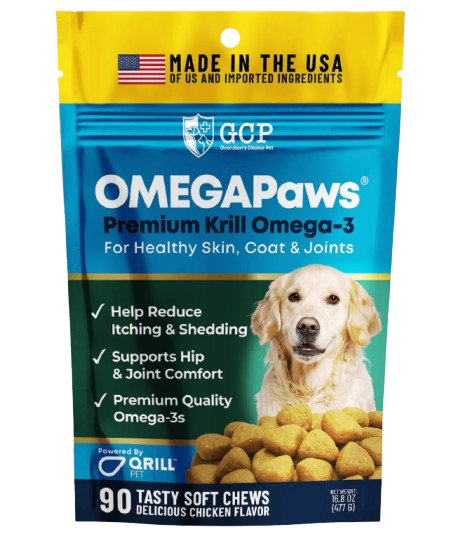
This is why we are so passionate about proactive wellness through GCP OMEGAPaws Krill Omega-3. By adding these delicious soft chews to your dog's daily regimen, you are directly supporting their nervous system and cognitive function with high-quality nutrients sourced from Qrill™ Pet. The premium EPA and DHA not only promote a healthy response to environmental stress during busy events like Halloween, but they also work simultaneously to support skin health, ensuring your dog has a vibrant, healthy coat just in time for all those upcoming family holiday photos. It is a simple, effective way to nurture their well-being from the inside out.
Frequently Asked Questions
-
Using a white noise machine, turning on a box fan, or playing classical music at a moderate volume in your dog's safe room can significantly dull the sudden noise of the doorbell. This continuous auditory barrier helps keep their environment consistent and reduces the shock of unexpected, sharp sounds coming from the street.
Elevate Their Daily Wellness Routine
GCP OMEGAPaws Premium Krill Omega-3
Providing your dog with foundational cognitive and physical support has never been easier or more delicious. Formulated with premium Qrill™ Pet ingredients, these tasty chicken-flavored soft chews are designed to be a seamless, highly anticipated part of your dog's daily routine.
-
Promotes a healthy central nervous system to help manage normal environmental stress.
-
Supports healthy brain function and overall cognitive health with premium EPA and DHA.
-
Helps maintain healthy skin and promotes a vibrant, shiny coat.
-
Supports hip and joint comfort for an active, happy lifestyle.
When you invest in their internal health, you are helping them navigate life's exciting and sometimes chaotic moments with much greater ease. Make the choice to support their overall vitality today, ensuring they look and feel their absolute best all year round.
References:
Bosch, G., Beerda, B., Hendriks, W. H., van der Poel, A. F., & Verstegen, M. W. (2007). Impact of nutrition on canine behaviour: current status and possible mechanisms. Nutrition Research Reviews, 20(2), 180-194. https://doi.org/10.1017/S095442240781331X
For all general inquiries, please contact us at info@guardianschoice.com
© Copyright. All rights reserved.