Is Halloween Candy Actually Dangerous for Dogs?
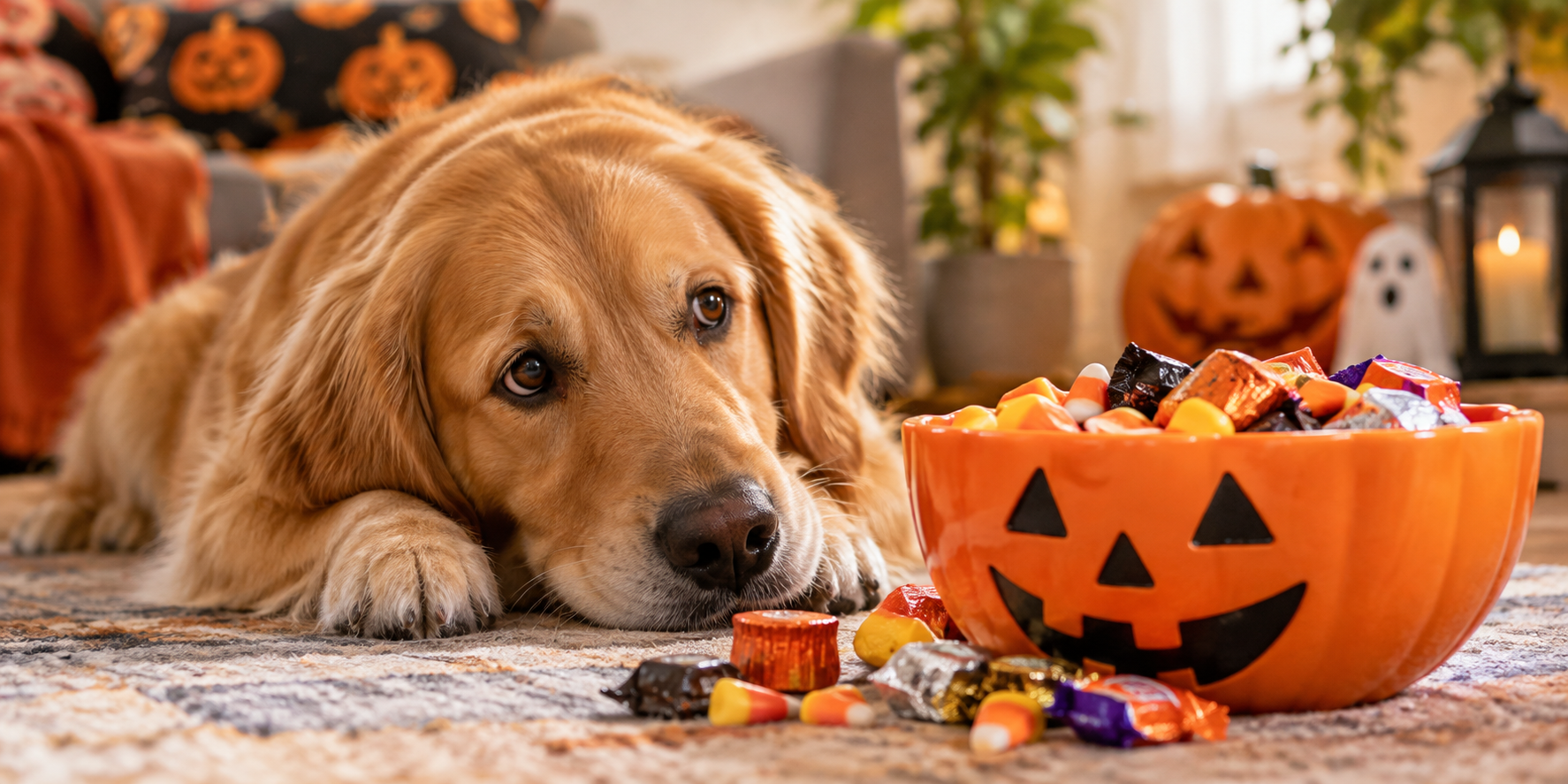
Halloween candy poses significant and sometimes hidden health risks to our beloved dogs, making it crucial for pet parents to remain vigilant during the autumn festivities. Chocolate contains a compound called theobromine, which is highly toxic to canines, while many modern sugar-free candies contain xylitol, a powerful sweetener that can cause severe, life-threatening drops in blood sugar. Even non-toxic, purely sugary treats can cause severe gastrointestinal distress and discomfort that quickly ruins the holiday fun for everyone in the family. By keeping all candy safely out of reach and proactively supporting your dog's daily gut health with reliable probiotic options, you can help keep their digestive system functioning optimally throughout the entire holiday season.
The Sweet but Scary Reality of the Holiday Season
As the autumn leaves begin to fall and the neighborhood transforms with spooky decorations, the anticipation of trick-or-treating brings an undeniable sense of joy to families everywhere. For pet parents, however, this festive season requires a heightened level of awareness and preparation to ensure the household remains safe and happy for every member, including the four-legged ones. The unique sights, sounds, and smells of Halloween can be incredibly stimulating for our companions, who experience their environment primarily through their incredibly powerful noses. When bowls of sweet, aromatic treats are left out on coffee tables or accidentally spilled onto the living room floor by excited children, a dog’s natural scavenging instincts will inevitably kick into overdrive. It is entirely natural for a curious pup to want to investigate these enticing new smells, but unfortunately, their digestive systems are simply not equipped to process the same foods that humans enjoy without serious consequence.
Navigating this candy-filled holiday means understanding that the dangers go far beyond a simple stomach ache or a brief bout of lethargy. A stray piece of candy dropped in the hallway or an unattended treat bucket left by the front door can quickly turn a wonderful evening of family fun into a stressful, expensive emergency veterinary visit. The chaotic nature of the holiday, complete with constantly ringing doorbells, strange costumes, and a revolving door of excited guests, often distracts us from keeping our usual watchful eye on our pets. Because dogs metabolize certain ingredients much more slowly and entirely differently than we do, what serves as a delightful midnight snack for a human can act as a potent and fast-acting toxin for a canine. Understanding exactly why these treats are so harmful is the very first step in empowering yourself to protect your furry best friend from the hidden dangers lurking inside those colorful, crinkly wrappers.
Breaking Down the Risks in the Candy Bowl
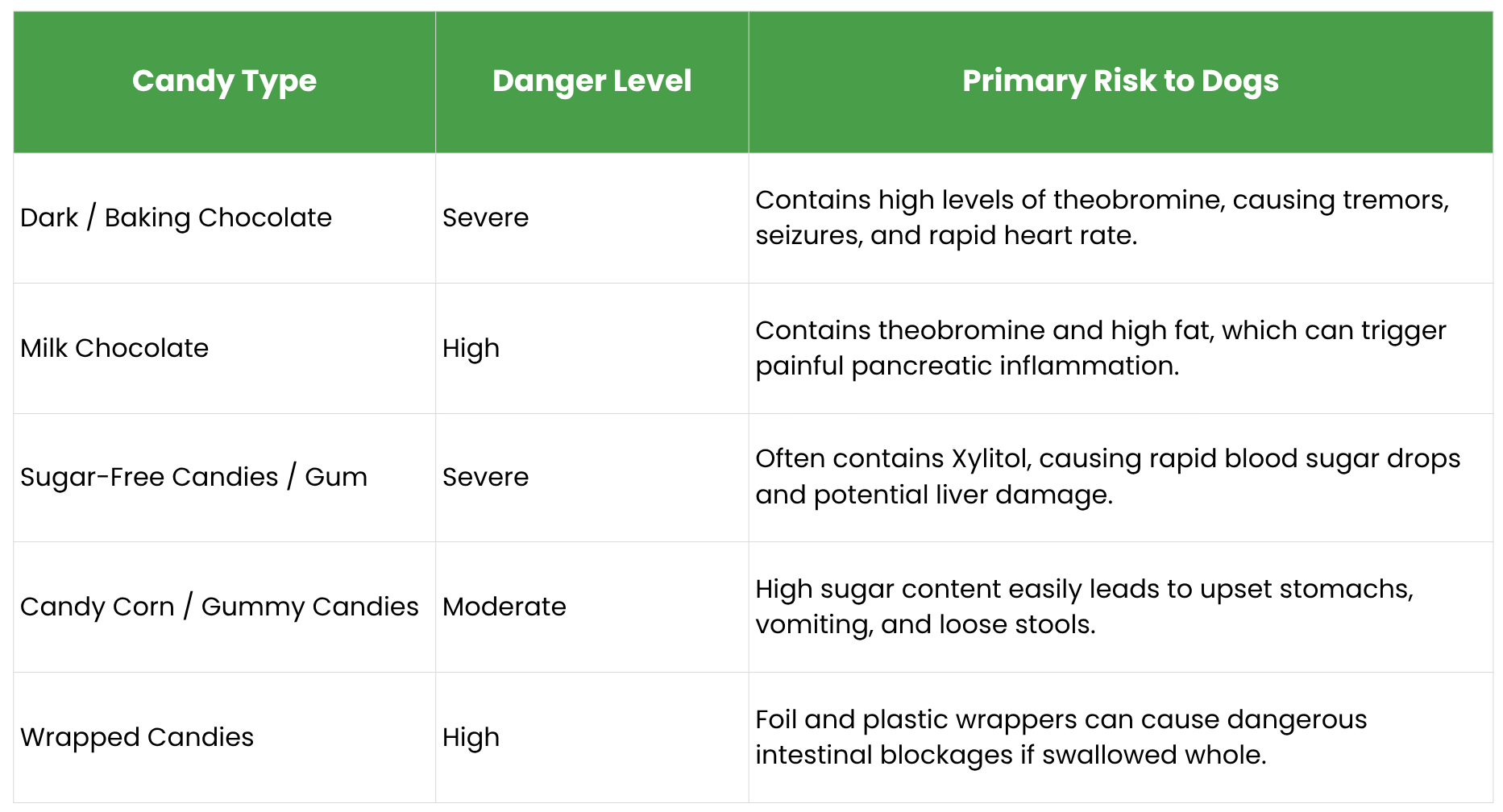
To truly protect your pet, it is essential to understand the specific ingredients that make our favorite seasonal sweets so dangerous for their delicate bodies. Chocolate is perhaps the most well-known culprit in the candy bowl, but the exact reason for its high toxicity lies in a chemical compound called theobromine, as well as naturally occurring caffeine. Dogs process theobromine incredibly slowly, allowing the compound to quickly build up to toxic levels in their system, which can rapidly lead to excessive panting, a dangerously increased heart rate, severe muscle tremors, and even seizures. The darker and more bitter the chocolate—such as baking chocolate or high-quality dark chocolate squares—the higher the concentration of theobromine, making it substantially more dangerous than standard, heavily diluted milk chocolate. Furthermore, the high fat content found in many chocolate bars and peanut butter cups can overwhelm a dog's pancreas, potentially triggering a painful inflammatory condition that requires extensive veterinary care to resolve.
Beyond chocolate, the modern rise of sugar-free alternatives has introduced an even more insidious and fast-acting threat to the neighborhood candy bowl: xylitol. This artificial sweetener is frequently found in sugar-free gums, breath mints, and seemingly innocent chewy candies that are handed out by the handful. When a dog ingests xylitol, it triggers a rapid and massive release of insulin from their pancreas, which leads to a profound and dangerous drop in blood sugar known as hypoglycemia. A comprehensive veterinary study published in the Compendium on Continuing Education for the Practicing Veterinarian highlighted this exact mechanism, noting that clinical symptoms of xylitol toxicity in dogs, such as vomiting and extreme lethargy, can manifest in as little as 30 minutes due to this rapid insulin spike. Even standard, sugar-heavy treats like candy corn or fluffy marshmallows pose a serious threat, as the massive influx of sugar can disrupt the delicate balance of their gastrointestinal tract, resulting in painful gas, severe diarrhea, and profound discomfort that requires careful monitoring.
Creating a Safe and Festive Environment for Your Furry Friend
The absolute easiest and most effective way to keep your dog safe during this treat-heavy season is through diligent and complete prevention within the home. This means taking a highly proactive approach to how you store, display, and handle sweets throughout your entire living space from the moment you bring the bags home from the grocery store. Rather than leaving goodies in decorative bowls on low coffee tables or easily accessible kitchen counters, store all candy in elevated, securely closed cabinets where even the most determined, acrobatic counter-surfer cannot reach them. If you have children in the house, it is incredibly important to sit down with them before the festivities begin and explain exactly why they cannot share their trick-or-treat bounty with the family dog, no matter how much the pup begs or gives them puppy-dog eyes. Creating a strict "no human treats for the dog" rule helps establish healthy boundaries that will keep your pet incredibly safe long after the Halloween decorations are packed away in the garage.
If you are hosting a spooky get-together with friends or expecting a steady, overwhelming stream of trick-or-treaters at your front door, you might want to consider creating a cozy, safe haven for your dog in a quiet back bedroom. You can easily set up this comfortable space with their absolute favorite blankets, a few engaging puzzle toys, and some soft background music or a television show to drown out the startling sounds of the doorbell and excited neighborhood kids. When interacting with guests who might not understand pet safety, politely but firmly ask them not to share any human food or dropped snacks with your pets, explaining that you are keeping them on a strict routine for their long-term health. So your furry friend does not feel left out of the exciting holiday celebrations, you can offer them festive, dog-safe alternatives like a spoonful of plain, cooked pumpkin puree (ensuring it is not sweetened pumpkin pie filling) or small, crunchy pieces of fresh apple with the toxic seeds completely removed.
Supporting Their Tummy Through Tricky Times
Even with the most meticulous planning, careful communication with family members, and the strictest household rules firmly in place, the sheer excitement and inherent stress of the holiday season can sometimes be enough to throw off your dog's delicate digestive balance. The constant, unpredictable ringing of the doorbell, the confusing presence of strangers in unusual, bulky costumes, and the general disruption of their normal daily routine can lead to mild, stress-induced tummy troubles. Additionally, minor dietary indiscretions—like swiftly licking up a dropped potato chip or a rogue piece of popcorn before you can physically stop them—are sometimes completely unavoidable when you have a house full of people moving around. Because these little unexpected hiccups can happen to even the most vigilant and well-meaning pet parents, it is incredibly beneficial to proactively support your dog's digestive system so their body is better equipped to handle occasional gastric distress and routine environmental changes.
Building a truly resilient foundation for your pet’s wellness always starts from the inside out, making daily, proactive dog digestive support an absolutely essential part of their everyday routine. Incorporating a premium, trusted product like Guardian's Choice NO POO Probiotic Chews into their daily regimen helps maintain a healthy, balanced gut flora, which is vital for normal bowel function and comfortable, easy digestion during stressful events. When their gastrointestinal tract is well-supported with beneficial bacteria, they are far less likely to experience severe upset from the mild, everyday stressors of a busy, chaotic household. To beautifully complement this internal support, adding Guardian's Choice OmegaPaws Chews for dogs to their diet helps promote overall vitality, supports a robust and healthy immune response, and maintains a gorgeously shiny coat as the weather begins to cool down. By thoughtfully weaving these highly supportive wellness chews into their regular morning or evening routine, you are taking active, responsible steps to ensure your furry companion feels their absolute best, allowing both of you to navigate the tricky, busy holiday season with total confidence and wonderful peace of mind.
Frequently Asked Questions
-
Contact your local veterinarian or a dedicated animal poison control center immediately, making sure to have the candy wrapper in hand so they can accurately assess the specific cocoa concentration and potential danger. Time is always of the essence in these urgent situations, so seeking professional guidance right away ensures your furry friend receives the appropriate and timely care they need.
Keeping the Spooky Season Fun and Carefree
Halloween is meant to be a vibrant time of joy, unbridled creativity, and wonderful community bonding for the whole family, and with just a little bit of careful foresight, it can be a perfectly wonderful experience for your furry family members as well. By deeply understanding the very real risks hidden inside the colorful candy bowl, communicating clearly and consistently with your guests and children, and taking highly proactive steps to support your dog's underlying health, you can completely eliminate the stress and worry that often accompanies this candy-centric holiday. Remember that your loyal dog relies entirely on you to make the safest, most informed choices for their daily well-being, and keeping those incredibly tempting chocolate bars and dangerous sugar-free gums well out of reach is the greatest act of love you can provide them. Embrace the wonderful festive spirit by safely baking dog-friendly pumpkin treats, setting up a cozy, quiet relaxation zone for your pup away from the front door, and focusing entirely on creating beautiful, safe, and happy memories together.
Elevate Their Daily Wellness Routine
To beautifully help your beloved companion maintain optimal digestive function and overall daily vitality, integrating a high-quality, perfectly targeted supplement into their daily regimen is a remarkably beneficial and easy step. Our thoughtfully formulated, great-tasting functional chews are specifically designed to gently support your dog’s natural defenses, keep their tummy happy and settled during stressful seasonal changes, and effortlessly promote holistic wellness from the inside out.
-
Supports healthy, balanced digestion and wonderfully assists in maintaining normal, highly comfortable bowel function day after day.
-
Promotes a remarkably robust immune system and gently encourages overall daily vitality, mobility, and playful energy.
-
Assists in maintaining a beautifully soft, shiny coat and healthy, deeply nourished skin year-round, regardless of the changing seasons.
-
Features an incredibly delicious, savory flavor profile that dogs absolutely love, making daily, routine supplement time an absolute breeze rather than a chore.
Providing your furry best friend with these highly supportive, targeted nutrients is an incredibly easy and remarkably effective way to truly invest in their long-term wellness and daily, unwavering happiness. Grab a convenient jar of our premium, carefully crafted chews today and give your incredibly loyal pet the delicious, comprehensive daily support they truly deserve.
Reference
Piscitelli, C. M., Dunayer, C. E., & Aumann, M. (2010). Xylitol toxicity in dogs. Compendium on Continuing Education for the Practicing Veterinarian, 32(2), E1-E4. https://pubmed.ncbi.nlm.nih.gov/20473849/
For all general inquiries, please contact us at info@guardianschoice.com
© Copyright. All rights reserved.