
The Indoor Cat Myth: Why Your Home Isn't a Hermetically Sealed Bubble
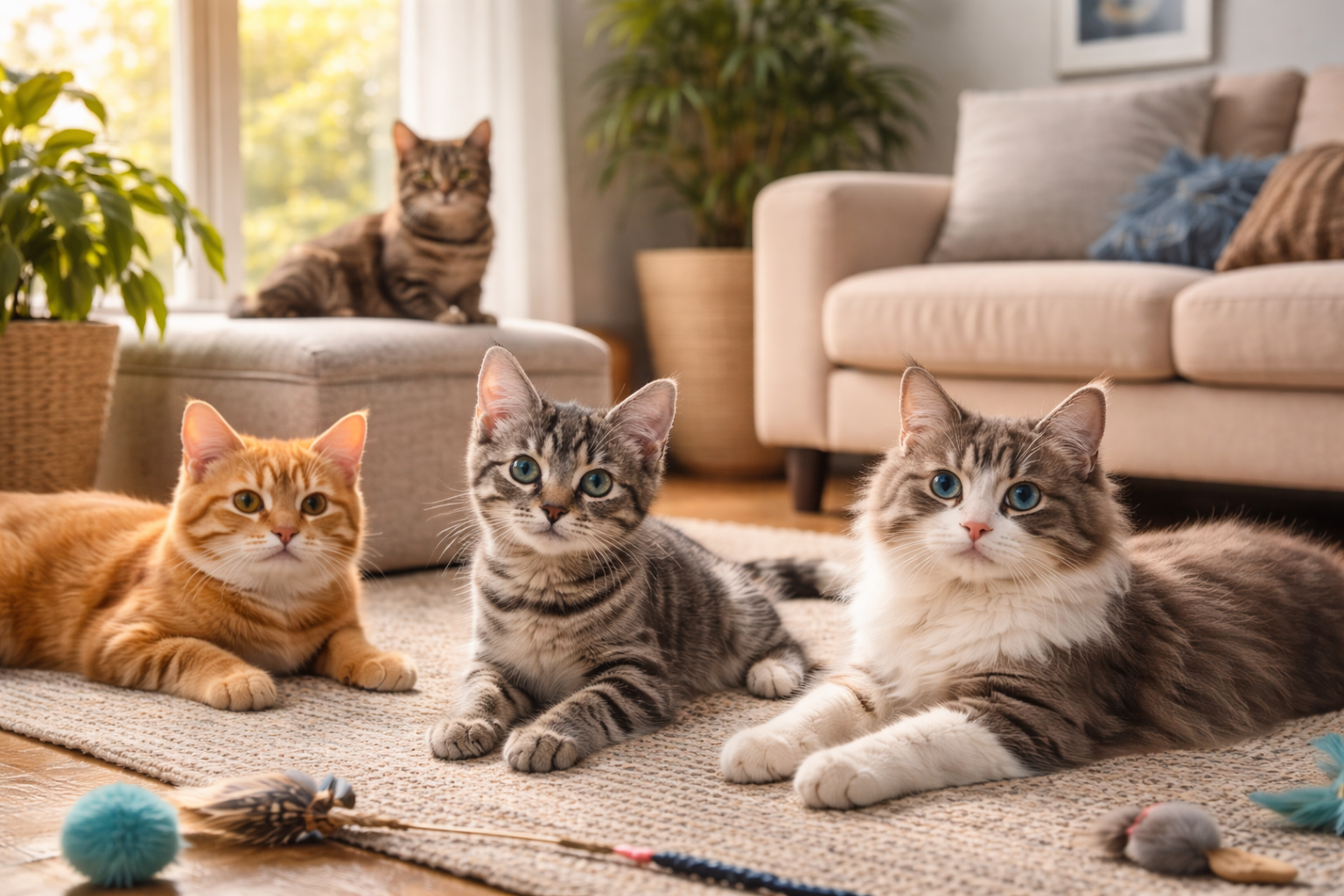
Most pet parents believe that staying indoors is the ultimate shield for their cats. No traffic, no predators, and no exposure to the outside world. It sounds like the perfect plan.
However, social listening data—the real-world conversations happening in pet forums and communities—reveals a more nuanced truth. Indoor cats are not immune to health threats; they are simply exposed to different ones. From hitchhiking pests on your shoes to airborne pathogens drifting through an open window, your "homebody" feline faces unique vulnerabilities.
The Internet Debate: "But My Cat Never Goes Outside!"
If you’ve browsed Reddit or Facebook pet groups, you’ve seen the comments: "Why would I need flea prevention or immune supplements for an indoor-only cat?"
But the patterns tell a different story. Thousands of owners report:
-
"Mystery" sneezing that aligns with seasonal changes.
-
Unexplained scabs on cats with zero outdoor access.
-
Chronic respiratory flare-ups that seem to appear out of nowhere.
The common thread? Assuming "indoor" equals "protected"—until symptoms appear.
How the Outside World sneaks In
Your home is not a bubble. Every time a door opens, the outside world enters.
-
Hitchhiking Pests: Fleas and mites don't need your cat to roam the neighborhood. They hitch a ride on your socks, bags, or guests. Once inside, they settle into carpets and baseboards, waiting for your cat to walk by.
-
Airborne Pathogens: Open windows and HVAC systems introduce mold spores, pollen, and viral particles. This is especially risky for the large percentage of cats who carry Feline Herpesvirus (FHV-1), which stays dormant until a dip in the immune system triggers a flare-up.
-
Human Transmission: You can be a carrier without being sick. Viruses and irritants transfer via your hands, hair, and clothing.
The Indoor Protection Ritual: A Multi-Layer Shield
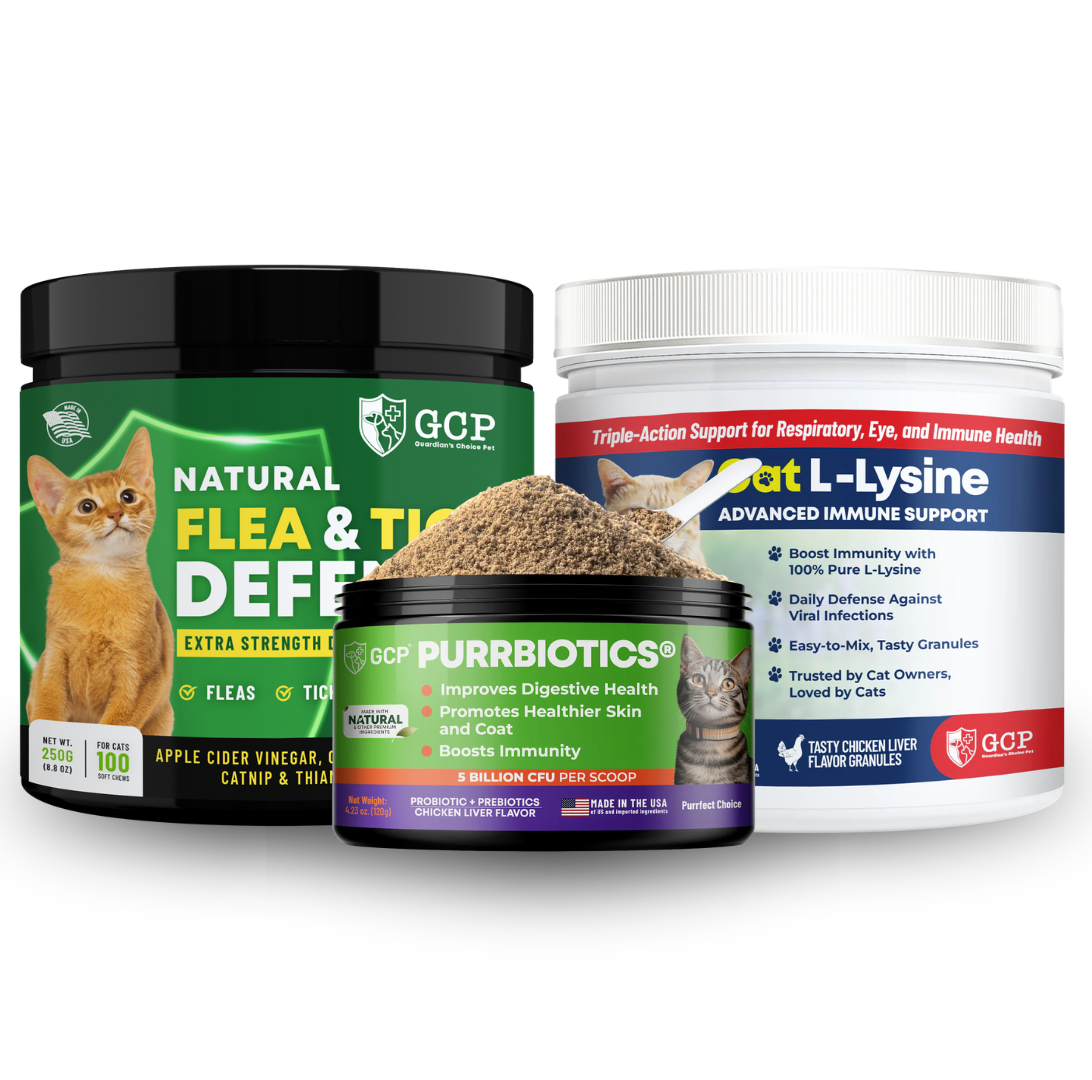
Because indoor cats face unique risks like routine-based stress and stagnant air, they need proactive, daily support. We’ve engineered a three-layer defense to close the "Indoor Gap":
-
Layer 1: Respiratory Resilience (GCP Cat L-Lysine) L-Lysine is an essential amino acid that competes with arginine—the "fuel" that viruses like FHV-1 need to replicate. By making L-Lysine a daily ritual, you help manage sneezing, watery eyes, and seasonal flare-ups before they start.
-
Layer 2: The Biological "Invisishield" (Flea & Tick Natural Defense Chews) These chews help create an internal environment that is less inviting to hitchhiking pests. It’s the perfect first line of defense for cats who are at lower risk but still vulnerable to "shoe-traveling" fleas.
-
Layer 3: The Gut-Immune Anchor (GCP Purrbiotics) 70% of a cat's immune system is in the gut. Purrbiotics support nutrient absorption and skin integrity, ensuring your indoor cat has the foundational strength to handle environmental stressors and "indoor toxins" like dust and mold.
Frequently Asked Questions: Mites, Mood and the Microbiome
-
Yes. Pathogens, bacteria, and allergens can enter your home on your clothes, shoes, and even through window screens. Direct animal-to-animal contact is not required for a viral flare-up or immune stress to occur.
For all general inquiries, please contact us at info@guardianschoice.com
© Copyright. All rights reserved.