
How to Raise a Well-Behaved Dog Without Losing Your Mind
Raising a well-behaved dog does not mean being strict all day or expecting perfect obedience overnight. Better behavior usually comes from clear routines, short training sessions, positive reinforcement, enough rest, safe exercise, and daily wellness support. GCP OMEGAPaws Premium Krill Omega-3 fits into this routine by supporting healthy skin, coat, joints, normal immune function, and overall vitality for dogs who walk, play, train, and move every day.
Why Listening Starts With Routine, Not Stubbornness
Many pet parents know the feeling. You ask your dog to sit, stay, come, or leave it, and instead of responding, they bark at the window, chase a toy, pull toward another dog, or look at you like they have never heard that word in their life. It can feel like stubbornness, especially when your dog seems to understand the cue perfectly in one setting but ignores it in another.
But most everyday training struggles are not about defiance. Dogs are constantly reading the environment. They notice sounds, smells, body language, movement, other animals, food, people, and routines. A dog who listens well in the kitchen may struggle in the backyard because the backyard is full of distractions. A dog who sits calmly before dinner may forget the same cue at the park because the setting feels more exciting.
This is why structure matters. A predictable daily routine helps dogs understand what comes next. Regular meals, walk times, potty breaks, rest periods, training sessions, and play routines all create a sense of order. When dogs know what to expect, it becomes easier for them to settle, listen, and learn.
Training is not only about teaching commands. It is about building communication. Your dog needs clear cues, immediate rewards, patient repetition, and safe chances to practice. Instead of thinking, “My dog will not listen,” it helps to ask, “Is the cue clear? Is the environment too distracting? Is my dog tired, overstimulated, or unsure what I want?”
That shift makes training feel less frustrating and more productive.
How Dogs Learn Best in Short, Clear Sessions
Dogs often learn better in short sessions than long ones. A five-minute training session done consistently can be more helpful than one long session that leaves both pet parent and dog tired. Short sessions keep the mood positive, reduce frustration, and give your dog a better chance to succeed.
A good training session should feel simple. Choose one skill, practice it in a low-distraction area, reward quickly, and stop before your dog loses interest. For example, if you are practicing “come,” start inside the home or in a quiet yard. Use a cheerful voice, reward your dog when they come to you, and repeat only a few times. Once they understand the cue in an easy setting, slowly practice in more distracting places.
Dogs also need time to generalize. This means your dog may need to learn that “sit” means sit in the kitchen, at the front door, in the yard, at the park, and near other dogs. To a human, it feels like the same cue. To a dog, each environment can feel like a new challenge.
Positive reinforcement helps make learning clearer. Reward the behavior you want with treats, praise, toys, or access to something your dog enjoys. Avoid harsh corrections, especially when your dog is confused or overstimulated. If your dog is not responding, make the task easier. Move farther away from distractions, shorten the session, or go back to a skill they already know.
Training should build confidence. A confident dog is more likely to stay engaged, try again, and trust your guidance.
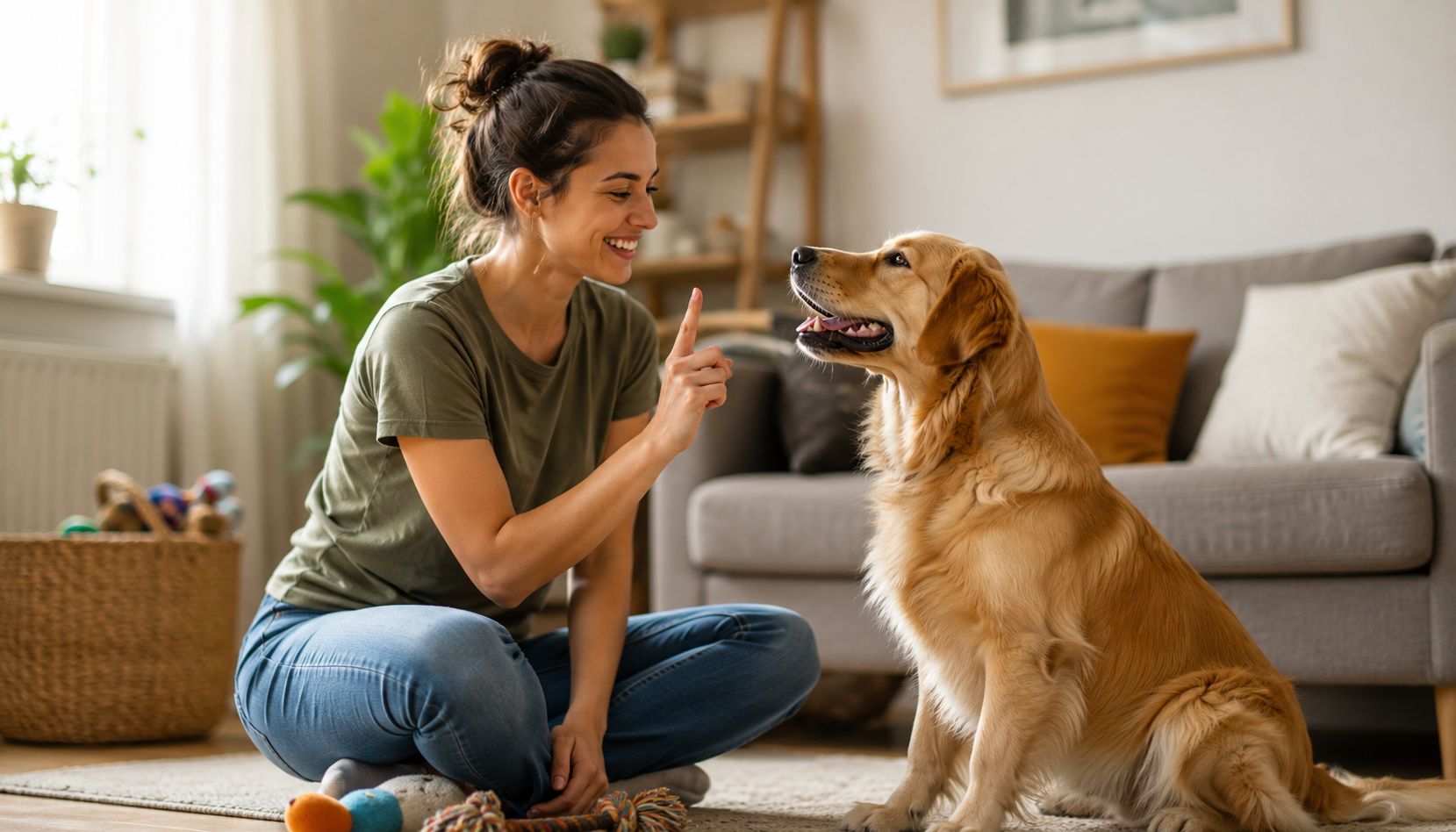
Why Body Wellness Matters for Active Training Days
Training is mental work, but it also asks a lot from your dog’s body. A dog who practices leash walking, recall, place work, agility basics, backyard play, or outdoor manners uses their joints, muscles, paws, skin, coat, and energy every day. Even simple training can involve movement, sitting, standing, turning, walking, stopping, and focusing.
This is why daily wellness support matters. A dog who feels physically comfortable is better prepared for active routines. Fresh water, balanced meals, rest, safe exercise, grooming, and regular veterinary care all play a role. If your dog is itchy, uncomfortable, stiff, overtired, or distracted by physical discomfort, listening can become harder.
Nutrition is one part of the picture. Omega-3 fatty acids like DHA and EPA are often discussed in canine wellness because they are part of normal nutrition and are involved in body systems such as skin, coat, joints, and overall vitality. One study in the Journal of the American Veterinary Medical Association evaluated healthy Beagle puppies fed foods with different levels of DHA-rich fish oil from 8 to 52 weeks of age and assessed learning, memory, psychomotor, immune, and retinal measures. This study focused on puppy development and does not prove that any omega-3 chew will improve training behavior, but it supports the broader idea that fatty acids can be relevant to canine development and wellness routines.
For everyday pet parents, the practical takeaway is simple: training works best when your dog’s full routine supports them. Clear cues help the mind. Safe movement supports the body. Daily wellness habits help keep the routine steady.
Dog Training and Daily Wellness Guide
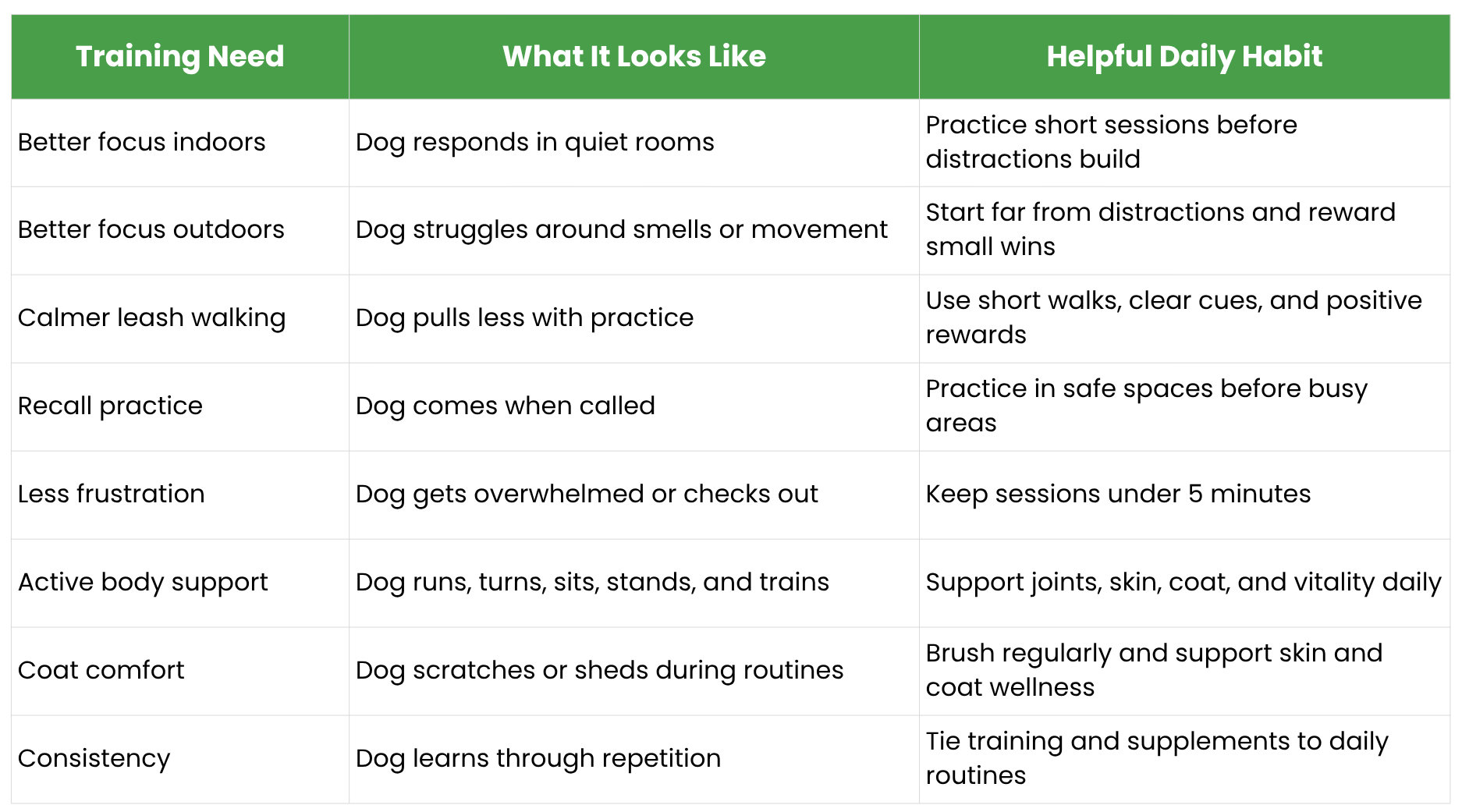
A simple guide like this helps pet parents see training as part of a larger lifestyle. Your dog does not need a perfect routine. They need a repeatable one. Small habits done every day make a bigger difference than one intense training day once in a while.
Simple Habits That Support Better Focus at Home
Start with the environment. Dogs focus better when the setting is clear and manageable. If your dog struggles to listen in the living room while the TV is loud, kids are running around, and another dog is playing nearby, move to a quieter space. Make the first step easy enough that your dog can succeed.
Use micro-sessions. Practice for three to five minutes, then stop. This keeps your dog engaged and prevents training from feeling like pressure. You can do one short session after breakfast, one before a walk, and one before dinner. Those little moments build a strong routine without overwhelming your dog.
Reward quickly. Dogs connect behavior and reward best when the reward comes right after the action. If your dog sits, mark the moment with a clear word like “yes,” then reward. If your dog comes when called, reward immediately. Timing helps your dog understand exactly what worked.
Build in movement and rest. A dog who has too much energy may struggle to focus, but a dog who is exhausted may also struggle. Balanced days matter. Use walks, sniffing games, puzzle toys, calm rest, and short training sessions to help your dog feel satisfied without being overstimulated.
Support the body behind the training. Brush regularly, check paws after walks, provide fresh water, and choose daily wellness support that matches your dog’s lifestyle. A dog who trains, plays, and explores deserves care that supports their active routine from more than one angle.
Daily Omega-3 Support With GCP OMEGAPaws
This is where GCP OMEGAPaws Premium Krill Omega-3 fits naturally into the story. Training is not only about cues and treats. It is also about supporting your dog’s everyday body wellness so they can enjoy active routines comfortably.
GCP OMEGAPaws is designed to support healthy skin, coat, and joints. It also supports normal immune function and overall vitality as part of a daily routine. For dogs who walk, train, run, play, swim, scratch less comfortably during seasonal shifts, or need coat support, an omega-3 chew can be a simple addition to daily care.
The soft chew format makes it easy to use consistently. Instead of measuring liquid oil or hiding capsules, pet parents can add OMEGAPaws to a mealtime or daily wellness routine. Use it as directed and pair it with good training habits, safe exercise, fresh water, grooming, and regular veterinary care.
It should not be positioned as a product that makes a dog obey commands or fixes behavior. Instead, it supports the wellness foundation behind an active, trainable lifestyle: skin, coat, joints, immune wellness, and vitality.
Frequently Asked Questions
-
Outdoor spaces are full of distractions like smells, sounds, people, other dogs, grass, and movement. Your dog may need to practice the same cue in easier outdoor settings before they can respond reliably in busier places.
Better Listening Comes From Daily Consistency
A dog who listens well is not built through one long training session or one perfect command. Better behavior comes from daily consistency: clear cues, short practice, positive rewards, predictable routines, safe movement, and patient repetition. When dogs understand what is expected and feel supported in their daily life, training becomes less stressful for everyone.
Your dog’s body matters in that process too. Active dogs need care that supports the movement behind training, play, walks, and everyday adventures. With good routines and daily wellness support, pet parents can create a calmer, more connected training experience.
GCP OMEGAPaws Premium Krill Omega-3
GCP OMEGAPaws Premium Krill Omega-3 is made for dogs who need daily support for healthy skin, coat, and joints. It fits naturally into active routines, from walks and training sessions to backyard play, grooming, and everyday movement.
Benefits:
-
Supports healthy skin
-
Helps support a shiny-looking coat
-
Supports hip and joint comfort
-
Supports normal immune function
-
Provides premium omega-3 support from krill oil
-
Easy-to-feed soft chews
-
Delicious chicken flavor
-
Fits into daily training and wellness routines
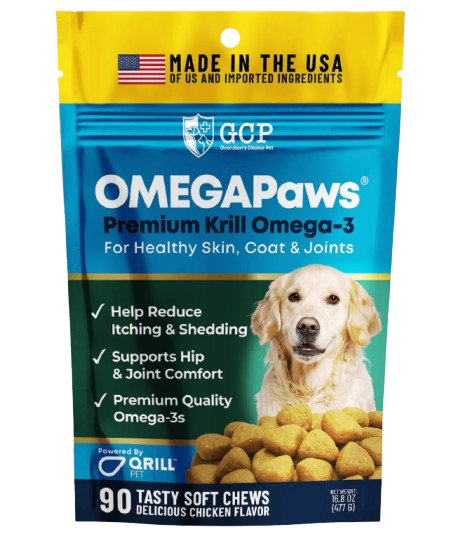
If your dog is learning new cues, staying active, or simply living their best everyday life, GCP OMEGAPaws can help support the body behind those moments. Add it to your dog’s daily routine as directed, and pair it with short training sessions, positive reinforcement, safe exercise, and plenty of encouragement.
Citation: Zicker, S. C., Jewell, D. E., Yamka, R. M., Milgram, N. W., & colleagues. (2012). Evaluation of cognitive learning, memory, psychomotor, immunologic, and retinal functions in healthy puppies fed foods fortified with docosahexaenoic acid–rich fish oil from 8 to 52 weeks of age. Journal of the American Veterinary Medical Association, 241(5), 583–594. https://doi.org/10.2460/javma.241.5.583
For all general inquiries, please contact us at info@guardianschoice.com
© Copyright. All rights reserved.