
Wellness Trends: What Cat Parents Are Choosing for Daily Support
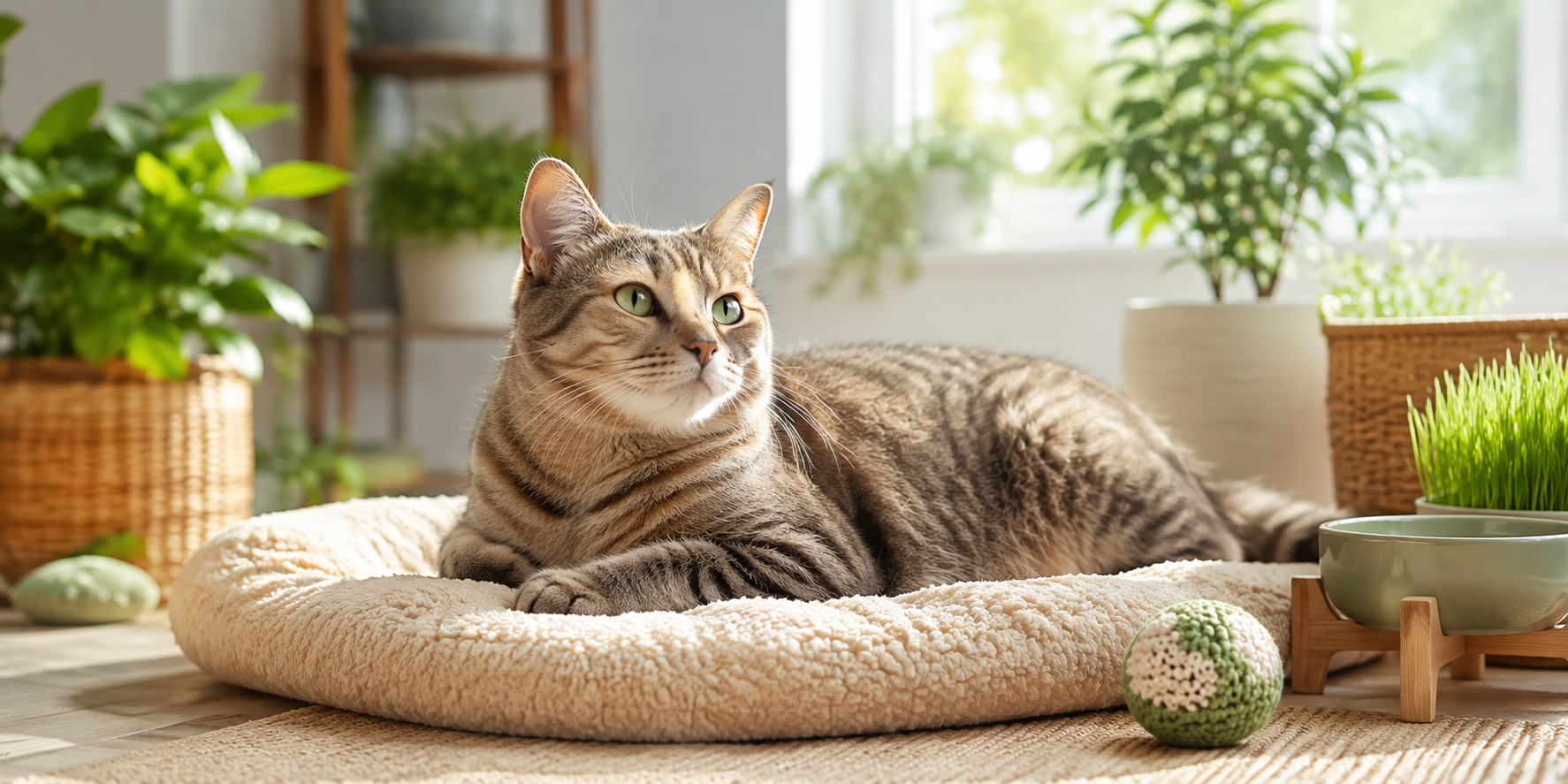
Modern feline wellness is becoming more personalized, with cat parents paying closer attention to digestive health, targeted nutrition, seasonal pest awareness, hydration, enrichment, and consistent daily routines. The most useful approach is not adding every trending product at once, but choosing support that complements a complete diet, a comfortable home environment, and appropriate veterinary care.
Cat care has changed considerably from the days when wellness simply meant keeping the food bowl full, providing fresh water, and scheduling a veterinary appointment when something seemed wrong. Those fundamentals still matter enormously, but today’s cat parents are also paying closer attention to the everyday details that shape how their cats eat, digest food, play, rest, groom, and respond to their environment.
That shift has made feline wellness trends, cat digestive health, probiotic support for cats, feline immune nutrition, and natural flea and tick care for cats increasingly common topics. Instead of looking for one product that supposedly does everything, many pet parents are building routines made up of small, manageable steps that reflect their cat’s individual age, lifestyle, diet, and environment.
This more intentional approach can be a positive development when it stays grounded in realistic expectations. Supplements can complement nutrition, enrichment can make indoor life more engaging, and seasonal wellness products can become convenient parts of a routine, but none of them should replace complete food, clean water, observation, or professional care when a cat is unwell.
The best trend in feline wellness may therefore be the simplest one: learning to pay closer attention to what your own cat actually needs.
Why Feline Wellness Is Becoming More Intentional
Cats are excellent at hiding discomfort, which is one reason subtle changes in appetite, grooming, litter box habits, activity, or sociability can be easy to overlook. Modern feline care increasingly encourages pet parents to become familiar with their cat’s normal patterns instead of waiting until a change becomes dramatic.
That can mean noticing whether your cat routinely finishes meals, how often they drink, what normal stool looks like, where they prefer to sleep, how eagerly they jump onto furniture, and whether their coat feels different during particular seasons. None of these observations requires special equipment, but together they create a useful picture of everyday wellness.
At the same time, pet parents have more choices than ever. Probiotics, amino-acid supplements, omega fatty acids, hydration products, interactive feeders, botanical supplements, smart litter boxes, and specialized foods all compete for attention. Having choices can be helpful, but it also makes it easy to assume that a responsible cat parent should be using everything.
That is not the goal.
A thoughtful feline wellness routine should be purposeful rather than crowded. Each product should have a clear reason for being there, and new additions should complement what the cat already receives instead of unnecessarily duplicating nutrients or creating unrealistic expectations.
Digestive Wellness and the Growing Interest in the Feline Microbiome
One of the most noticeable trends in pet nutrition is interest in the microbiome, the large community of microorganisms that normally lives within the digestive tract. These organisms interact with digestion and many other biological processes, which has encouraged researchers and pet parents alike to take a closer look at probiotics and gut-focused nutrition.
Probiotics are live microorganisms included in certain foods or supplements with the intention of influencing the microbial environment when provided in appropriate amounts. That definition sounds straightforward, but probiotic effects can be highly strain-specific, which means research involving one microorganism should not automatically be used to make claims about every probiotic product.
One study by Marshall-Jones and colleagues looked at healthy adult cats receiving a particular strain of Lactobacillus acidophilus. Researchers observed changes in certain fecal bacterial populations and selected immune measurements during the study. This is useful evidence that the feline microbiome can respond to dietary probiotic supplementation, but it does not establish that every probiotic strain will produce the same changes or that probiotics treat digestive disease.
That distinction matters when shopping for cat digestive supplements.
Occasional changes in stool can happen for many reasons, including diet changes, treats, stress, medications, hair ingestion, or eating something unusual. Persistent diarrhea, repeated vomiting, constipation, blood in the stool, weight loss, or reduced appetite should not simply be labeled a “gut imbalance” and managed with a supplement alone.
For an otherwise healthy cat, a probiotic may instead be considered as one part of an established digestive wellness routine when its formulation is appropriate. Consistent food, fresh water, gradual diet changes, and veterinary guidance remain just as important as anything added to the food bowl.
Nutritional and Immune-Focused Support Needs a Thoughtful Approach
Another major feline wellness trend is targeted supplementation. Rather than choosing a general-purpose product, pet parents increasingly look for specific nutrients associated with particular wellness categories, such as amino acids, fatty acids, vitamins, or minerals.
L-lysine is one example that frequently appears in feline wellness conversations. Lysine is an essential amino acid, meaning cats require it nutritionally and normally obtain it through complete and balanced food.
Supplemental L-lysine has also been marketed extensively in connection with feline immune and respiratory wellness. That language deserves care because providing additional L-lysine should not be presented as a guaranteed way to prevent respiratory illness, maintain clear eyes, or treat symptoms associated with feline herpesvirus or another condition.
Sneezing, nasal discharge, watery or irritated eyes, reduced appetite, fever, or changes in breathing can have many causes. A cat showing those signs needs appropriate evaluation rather than an assumption that adding an immune-focused supplement will resolve the issue.
This does not mean targeted supplementation has no place in a modern feline routine. It means the reason for using it should be clear, the existing diet should be considered, and the language around its role should remain realistic.
If your cat already eats a nutritionally complete food, ask what an additional supplement is intended to add before introducing it. That simple question can help distinguish intentional nutritional support from adding products simply because they are currently popular.
Natural Flea and Tick Care Is Becoming Part of a Bigger Routine
Interest in naturally positioned pet products has also grown, particularly among cat parents looking for alternatives or complements to heavily fragranced sprays, frequent topical applications, or products they find inconvenient to use. Ingredients such as apple cider vinegar, coconut oil, thiamine, and other botanical or nutritional components are now commonly featured in this part of the pet wellness market.
The important thing is to separate ingredient appeal from established parasite prevention.
For example, thiamine—also known as vitamin B1—is an essential nutrient involved in normal metabolic and nervous-system functions. However, claims that oral thiamine reliably changes a cat’s natural scent enough to repel fleas, ticks, or mosquitoes are not well established.
The same caution applies to claims that consuming apple cider vinegar changes skin pH in a way that makes a pet unattractive to parasites. A nutritional or botanical chew may fit into the type of routine a pet parent prefers, but it should not automatically be described as creating an “internal shield” or guaranteed pest barrier.
Instead, year-round flea and tick care for cats should remain broader. Regular grooming allows you to look closely at the coat, environmental cleaning helps maintain the spaces where pets spend their time, and veterinarian-recommended parasite prevention can address individual risk according to geography, lifestyle, household animals, and health history.
A natural wellness product can complement those habits without needing to replace them.
The Best Wellness Routine Still Starts With Everyday Basics
It can be easy to become so focused on new wellness products that the simplest parts of cat care start to look ordinary. In reality, those basics form the foundation that makes every other addition more meaningful.
Fresh water should be easily accessible, and some cats may appreciate having several drinking locations or a properly maintained fountain. Meals should be nutritionally complete and offered in quantities appropriate for the cat’s body condition and activity, while sudden changes in appetite deserve attention rather than being masked with treats.
Daily movement and enrichment matter too. Scratching surfaces, vertical spaces, hiding areas, interactive toys, windows with interesting views, and short play sessions can make indoor life more varied without turning your home into a pet store showroom.
The litter box deserves the same attention. A clean, accessible box gives pet parents an opportunity to notice changes in urine or stool while also supporting a predictable environment.
Finally, grooming is more than keeping loose fur off the furniture. Regular brushing can help you notice skin irritation, excessive dandruff, changes in coat quality, unexpected lumps, or increased sensitivity.
Supplements work best when they sit on top of these fundamentals rather than trying to compensate for missing ones.
Trending Feline Wellness Categories at a Glance
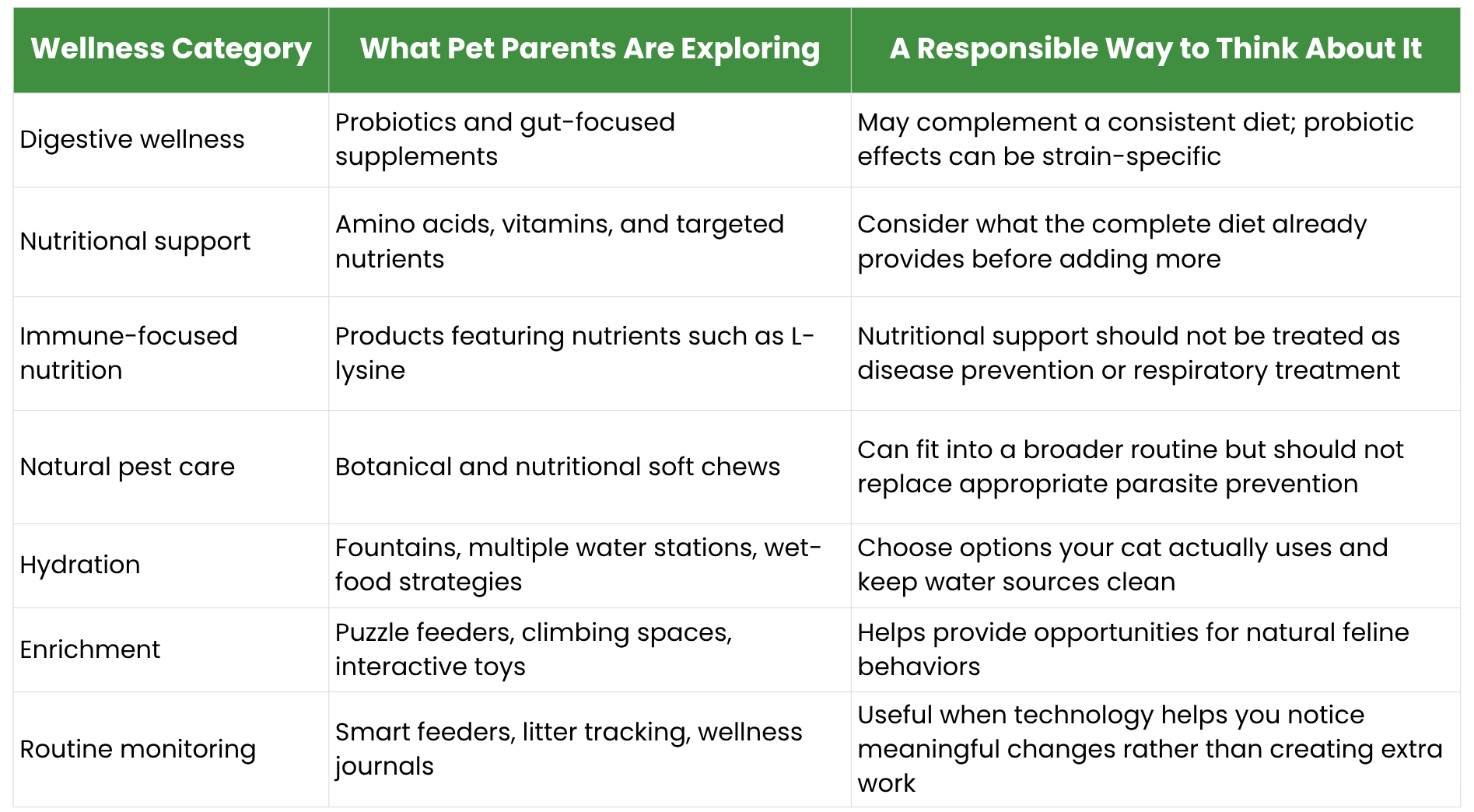
What ties these trends together is not a specific ingredient or gadget. It is the idea that cat parents are becoming more intentional about what happens between veterinary visits.
How to Decide Which Wellness Trends Actually Fit Your Cat
Before buying a new wellness product, ask yourself what you are trying to support. A cat with a stable routine, complete diet, normal digestion, active lifestyle, and healthy body condition may not need the same additions as an older cat whose veterinarian has identified a specific nutritional priority.
Introduce new products gradually whenever practical. Changing food, adding several supplements, installing a new fountain, and replacing the litter all in the same weekend makes it difficult to know which change your cat likes—or which one may be associated with an unexpected digestive or behavioral response.
It is also worth looking at the total routine rather than evaluating every supplement separately. Two products may contain overlapping nutrients, and more is not automatically better simply because each ingredient has a normal nutritional role.
Cats taking medications, eating veterinary therapeutic diets, managing chronic health conditions, or showing persistent symptoms deserve additional guidance before supplements are introduced. Your veterinarian can help look at the full picture instead of focusing on one ingredient at a time.
Modern feline wellness should ultimately make pet care feel clearer, not more complicated.
Bringing GCP PURRBIOTICS, Cat L-Lysine, and Flea & Tick Natural Defense Into the Routine
Once the everyday foundations are established, GCP PURRBIOTICS, GCP Cat L-Lysine, and GCP Flea & Tick Natural Defense for Cats provide three different ways to personalize a cat’s wellness routine according to the support a pet parent is looking for.
GCP PURRBIOTICS is the digestive-focused option, designed for cat parents interested in incorporating probiotic support into an established feeding routine. It is best viewed as a convenient way to complement everyday digestive wellness rather than a treatment for diarrhea, constipation, vomiting, or gastrointestinal disease.
GCP Cat L-Lysine provides supplemental L-lysine in a feline-specific wellness format. Because complete diets already contain required amino acids, supplemental L-lysine should be considered thoughtfully and should not be positioned as a guaranteed respiratory remedy or substitute for veterinary evaluation when a cat is sneezing, experiencing eye discharge, or otherwise feeling unwell.
GCP Flea & Tick Natural Defense for Cats comes in a 100-soft-chew format, with product packaging highlighting apple cider vinegar, coconut oil, thiamine, and “No Harsh Chemicals.” It offers a botanical and nutritional option for pet parents who want that type of product within their seasonal routine, while grooming, environmental care, coat checks, and veterinarian-guided flea and tick management remain important.
Together, the three products reflect different wellness priorities rather than functioning as a single all-purpose solution. Pet parents can choose what fits their cat instead of feeling that every product must be used simply because it belongs to the same wellness collection.
Frequently Asked Questions
-
No, every cat has different dietary and digestive needs, and many healthy cats do well on a complete diet without additional probiotic supplementation. If you are considering one, choose a cat-appropriate product and discuss persistent digestive symptoms with your veterinarian rather than relying on supplementation alone.
The Best Feline Wellness Plan Is the One Built Around Your Cat
Feline wellness trends will continue to change. New ingredients will become popular, new technologies will appear, and pet parents will keep finding more creative ways to make indoor life comfortable and engaging.
What should remain constant is the focus on the individual cat.
A thoughtful routine begins with complete nutrition, fresh water, clean litter boxes, movement, enrichment, grooming, predictable daily habits, and knowing what normal looks like for your pet. Once those pieces are in place, supplements can provide additional options for pet parents who want to personalize the routine around digestive wellness, targeted nutrition, or seasonal care.
It is also perfectly reasonable for one cat to need fewer products than another. Wellness is not measured by the number of containers beside the food bowl; it is reflected in how thoughtfully each part of the routine has been chosen.
By staying observant and keeping expectations realistic, you can explore modern feline wellness without turning every trend into a necessity. That balanced approach makes it easier to choose products for a purpose, notice when something genuinely changes, and involve your veterinarian when your cat needs more than routine support.
Three GCP Essentials for a More Intentional Cat Wellness Routine
GCP PURRBIOTICS, GCP Cat L-Lysine, and GCP Flea & Tick Natural Defense for Cats give pet parents three distinct options for adding targeted support to an established feline wellness routine. Each product addresses a different area of interest, allowing you to choose according to your cat’s diet, lifestyle, and individual needs rather than expecting one supplement to cover everything.
-
GCP PURRBIOTICS: A probiotic-focused option designed to complement everyday feline digestive wellness
-
Convenient for incorporating digestive-focused supplementation into a regular feeding routine
-
Best used alongside consistent nutrition, hydration, and appropriate veterinary guidance
-
GCP Cat L-Lysine: Provides supplemental L-lysine in a feline-specific format
-
Offers an additional nutritional option for cat parents intentionally incorporating L-lysine into the diet
-
Should not be positioned as a treatment or guaranteed preventive for respiratory illness
-
GCP Flea & Tick Natural Defense for Cats: 100-soft-chew feline formula
-
Packaging highlights apple cider vinegar, coconut oil, and thiamine
-
Packaging also features the “No Harsh Chemicals” message
-
Can complement grooming, coat checks, household cleaning, and veterinarian-guided seasonal parasite care
-
All three products are designed to fit conveniently into an established daily wellness routine
-
Supplements should complement—not replace—a complete diet, veterinary evaluation, or medically appropriate treatment
For cat parents who want to make their feline wellness routine more intentional, these GCP options make it possible to choose support according to a specific priority rather than simply following every trend. Start with the area that is most relevant to your cat, follow each product’s current label, review the overall diet for unnecessary overlap, and keep your veterinarian involved whenever health symptoms or ongoing medical needs enter the picture.
Reference
Marshall-Jones, Z. V., Baillon, M. L. A., Croft, J. M., & Butterwick, R. F. (2006). Effects of Lactobacillus acidophilus DSM13241 as a probiotic in healthy adult cats. American Journal of Veterinary Research, 67(6), 1005–1012. https://doi.org/10.2460/ajvr.67.6.1005
For all general inquiries, please contact us at info@guardianschoice.com
© Copyright. All rights reserved.