
Autumn Cat Care: Navigating Weather Shifts and Litter Box Avoidance
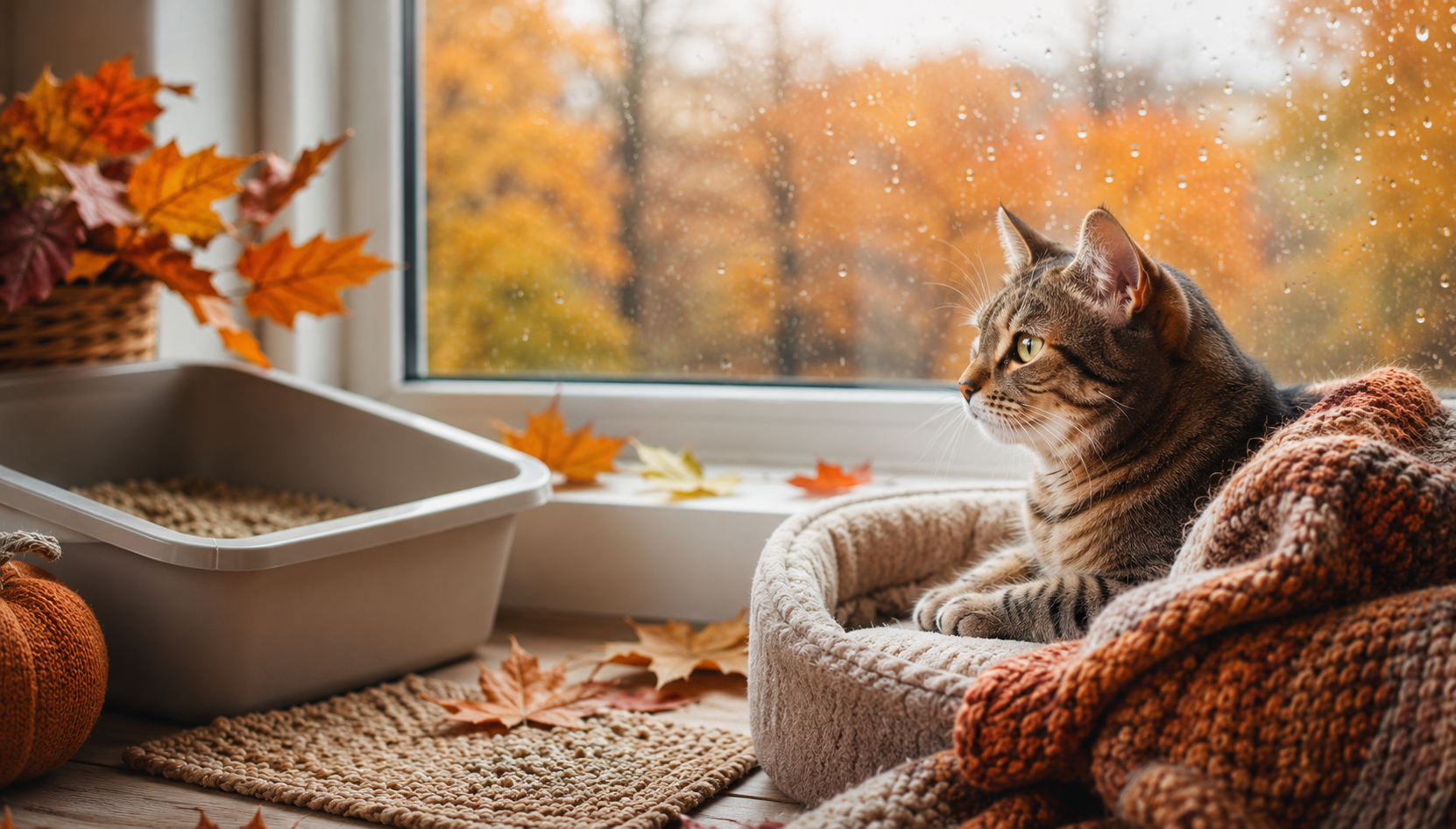
Fall can change more than the temperature outside. Cooler rooms, indoor heating, shifting humidity, altered activity, new household routines, and changes in litter texture or odor may all influence how comfortable your cat feels around the litter box, while consistent hydration, cleanliness, observation, and digestive wellness can help you maintain a more predictable daily routine.
Cats have an impressive ability to make their preferences known without saying a word. One week, the litter box is simply part of the household routine; the next, you may notice your cat hesitating at the doorway, digging longer than usual, visiting at different times, or leaving behind stool that looks different from what you normally see.
When those changes happen during autumn, it is tempting to blame the weather immediately. Fall cat litter box habits, seasonal cat digestion, indoor humidity, colder temperatures, and changing household routines can all become part of the picture, but there is rarely one universal explanation.
For many cats, the season changes the environment around the litter box more than it changes elimination directly. The basement becomes colder, the furnace starts running, windows close, the air feels drier, family schedules shift, and cats may spend more time sleeping indoors. If the box is in a drafty laundry room or the litter suddenly feels dustier under drier conditions, a familiar bathroom area may simply feel different.
That makes autumn a useful time to look at the entire litter box setup rather than assuming every change begins inside your cat.
Why Fall Can Make a Familiar Litter Box Feel Different
Cats tend to appreciate predictability. They know where their food appears, which windows catch the afternoon sun, when their favorite person wakes up, and where they can eliminate without being disturbed.
Seasonal change can quietly disrupt those patterns. A room that felt comfortable in July may become chilly in October. Heating systems can begin cycling on and off, producing unfamiliar sounds or air movement. Windows that stayed open throughout summer may suddenly close, changing airflow and household odors.
Family routines can shift too. Children return to school, work schedules change, holiday preparation begins, and outdoor cats or supervised patio cats may spend more time indoors. None of these changes automatically causes litter box problems, but several happening together can make a normally predictable environment feel less familiar.
That is why the best first step is often observation. Before changing litter brands, relocating every box, or adding several new products, look at what has recently changed around your cat.
Temperature Matters Most Through Comfort and Location
There is no single temperature at which every cat suddenly decides a litter box is uncomfortable. What matters more is whether the location has become noticeably colder, draftier, noisier, or harder to reach.
A box positioned directly on a cold basement floor may feel different when autumn temperatures arrive, especially for an older cat with mobility concerns. Likewise, a litter box near a door that opens frequently or beside a furnace vent may suddenly have more drafts or noise than it did during warmer months.
You do not necessarily need to move the box at the first cold morning. Instead, assess whether the area remains easy to access, comfortably lit, quiet, and free from sudden environmental changes.
A washable mat beneath the litter box can make the area feel more stable while also catching scattered litter. If you decide that relocation is necessary, transition thoughtfully rather than abruptly removing a box your cat already uses; adding a second box in a better location first can allow your cat to adjust with less disruption.
Older cats deserve particular consideration. Arthritis, reduced mobility, or stiffness may make stairs and tall-sided boxes more difficult, regardless of whether autumn caused the problem. If your senior cat suddenly begins eliminating near—but not inside—the box, accessibility deserves a closer look alongside veterinary evaluation.
Humidity Can Change the Litter Box Environment
Humidity is easy to overlook because you cannot always see it, but you may notice its effects around the home. Autumn rain can make some houses feel damp, while heating systems can make indoor air noticeably drier.
These changes may affect the litter itself. In a humid room, some types of litter may absorb environmental moisture, clump differently, or seem to hold odors more readily. In dry conditions, dusty litter may create more fine particles when a cat scratches or covers waste.
Your cat may or may not care about these differences, but cats can be highly particular about litter texture, depth, scent, and cleanliness. Rather than assuming humidity is causing avoidance, pay attention to whether the litter itself has changed in feel or performance.
Keep bags or containers of litter properly sealed and stored away from damp areas. If your cat reliably uses one unscented litter, autumn is generally not the ideal time to make an unnecessary switch simply because the season has changed.
Odor management also matters. Scoop regularly, but avoid trying to compensate for humidity with heavily scented litter, air fresheners, or strong cleaning products, since added fragrance may make the box less appealing to some cats.
Do Not Overlook Hydration, Routine, and Activity
The litter box does not exist separately from the rest of your cat’s day. Changes in eating, drinking, activity, stress, medication, and daily routine may all show up in what you see when you scoop.
During cooler months, some cats become less active and spend more time curled up in their favorite warm places. Indoor heating can change the way the home feels, and pet parents may also notice differences in water consumption as routines shift.
Keep fresh water accessible in familiar locations and clean bowls or fountains regularly. Wet food may contribute dietary moisture for cats who eat it, but decisions about diet should take your individual cat’s nutritional needs and veterinary recommendations into account.
Mealtimes are worth keeping predictable too. Holidays and busier fall schedules can tempt families to feed later than usual or offer more treats, and sudden dietary changes are more likely to complicate your ability to interpret changes in stool.
If your cat already has a food and routine that work well, autumn does not require reinventing them. Preserving familiar anchors can make it easier to determine whether a new litter box behavior is temporary or something that deserves further attention.
What Changes in Stool Can Tell You
A cat’s stool can vary occasionally without indicating a major problem. Diet changes, treats, swallowed hair, stress, medication, or other factors may temporarily influence consistency, but repeated changes deserve more attention.
Soft stool that continues, diarrhea, constipation, mucus, blood, repeated straining, or a noticeable change in frequency should not simply be blamed on autumn weather. Your veterinarian can help determine whether the cause is dietary, gastrointestinal, behavioral, medication-related, or connected to another health issue.
Digestive wellness is one reason some pet parents consider probiotics. Research in healthy adult cats has explored how specific probiotic strains may influence intestinal microorganisms and selected immune measures. For example, Marshall-Jones and colleagues studied one particular Lactobacillus acidophilus strain and reported changes in fecal bacterial populations and some immune parameters.
The important phrase is one particular strain. Probiotic findings are strain-specific, so this study should not be interpreted as evidence that every probiotic produces the same effect, that probiotics correct every stool problem, or that a supplement can diagnose or treat gastrointestinal disease.
Instead, probiotic supplementation is best approached as one possible part of a broader digestive wellness routine when it is appropriate for the individual cat.
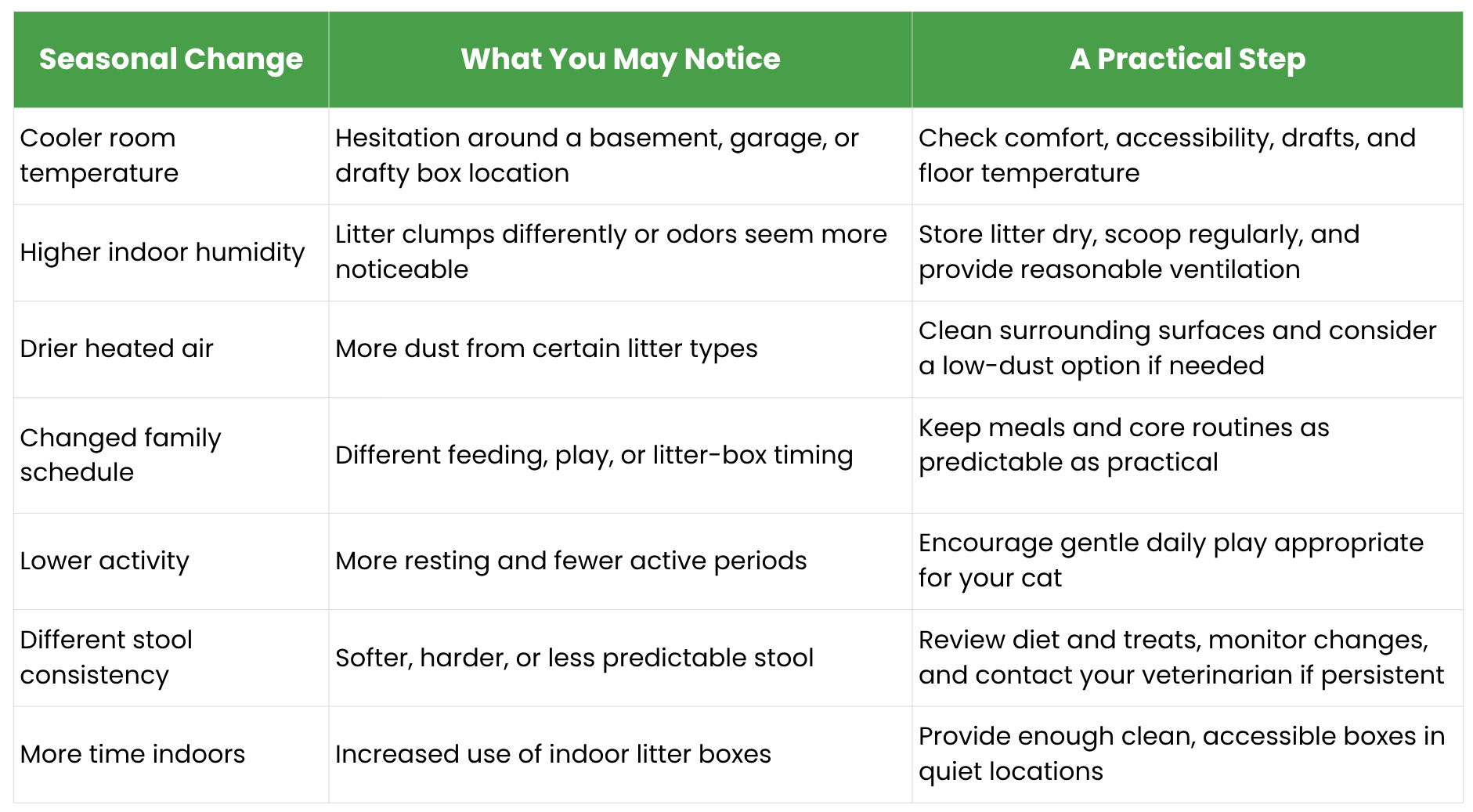
A Fall Litter Box Comfort Checklist
When a Litter Box Change Needs Veterinary Attention
A cat eliminating outside the litter box is not “being bad.” Sometimes the cause is environmental or behavioral, but litter box changes can also be one of the first signs of a medical concern.
Pay especially close attention to urination. Frequent trips to the box, straining, crying while attempting to urinate, blood in the urine, licking around the genital area, or producing little to no urine require prompt veterinary attention. A cat that repeatedly strains but cannot pass urine may have a medical emergency, particularly if the cat is male.
Similarly, constipation that persists, repeated diarrhea, vomiting, loss of appetite, lethargy, or noticeable discomfort deserves professional guidance. Changing the litter, moving the box, or adding a digestive supplement should never delay veterinary assessment when symptoms are significant.
For less urgent changes, keeping notes can be surprisingly helpful. Record when the behavior began, stool appearance, urine frequency, recent diet changes, medications, household changes, and whether the litter or box location changed. That information can help your veterinarian see the bigger picture.
Adding Digestive Support to a Consistent Fall Routine
Once you have checked the litter box environment, maintained familiar meals, supported hydration, and ruled out concerns that require veterinary care, a daily digestive supplement may be something you choose to discuss as part of your cat’s regular wellness routine.
Guardian’s Choice PURRBIOTICS is designed as a convenient probiotic option for cat parents who want to complement everyday digestive care. Based on the product details provided, the formula delivers 5 Billion CFU per scoop and includes Bacillus probiotic strains, making it easy to incorporate into an established routine when used according to the current label.
The goal is not to promise perfect stools or suggest that a probiotic will stop litter box avoidance. Instead, PURRBIOTICS can sit alongside the habits that already matter: a consistent diet, clean water, a comfortable litter box, familiar routines, careful observation, and veterinary guidance when something changes.
That distinction fits Guardian’s Choice’s broader commitment to transparency and trustworthy pet wellness education. The brand’s guidelines specifically encourage clear explanations of product capabilities while avoiding exaggeration.
Frequently Asked Questions
-
A colder room, altered litter texture, household schedule changes, stress, accessibility issues, or a medical concern could all contribute to a change in litter box behavior. Check the environment first, but contact your veterinarian when avoidance persists or is accompanied by straining, pain, blood, or changes in appetite or energy.
Make GCP PURRBIOTICS Part of Their Everyday Routine
Guardian’s Choice PURRBIOTICS offers a convenient way to incorporate probiotics into your cat’s established digestive wellness routine. With 5 Billion CFU per scoop and Bacillus probiotic strains according to the supplied product information, it is designed to fit alongside balanced nutrition, clean water, regular litter box monitoring, and appropriate veterinary care rather than replace any of those essentials.
-
Provides 5 Billion CFU per scoop according to current product details
-
Features Bacillus probiotic strains
-
Designed to complement everyday feline digestive wellness
-
Easy to add to an established daily routine according to label directions
-
Fits alongside consistent feeding and hydration habits
-
Can complement attentive monitoring of normal stool patterns
-
Provides a simple option for pet parents who value routine-based digestive support
-
Intended as nutritional support, not as a treatment for diarrhea, constipation, urinary issues, or litter box avoidance
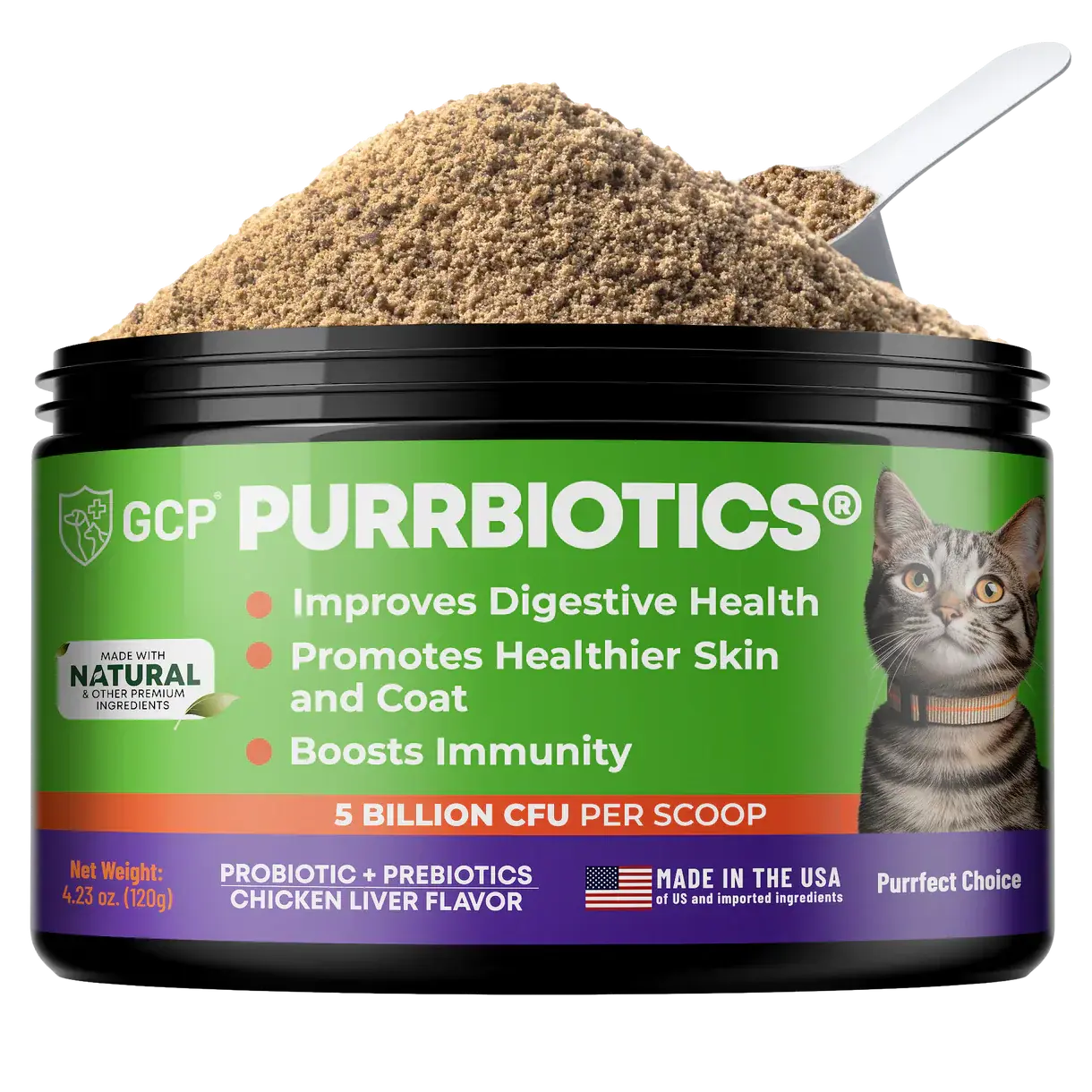
For pet parents who want a straightforward probiotic step within an already thoughtful routine, GCP PURRBIOTICS can be a convenient option to consider. Follow the current label, introduce new supplements thoughtfully, and talk with your veterinarian about whether probiotic supplementation makes sense for your cat’s individual diet, health history, and medications.
Reference
Marshall-Jones, Z. V., Baillon, M. L. A., Croft, J. M., & Butterwick, R. F. (2006). Effects of Lactobacillus acidophilus DSM13241 as a probiotic in healthy adult cats. American Journal of Veterinary Research, 67(6), 1005–1012. https://doi.org/10.2460/ajvr.67.6.1005
For all general inquiries, please contact us at info@guardianschoice.com
© Copyright. All rights reserved.