
How Digestive Discomfort Can Affect Your Cat’s Litter Box Habits
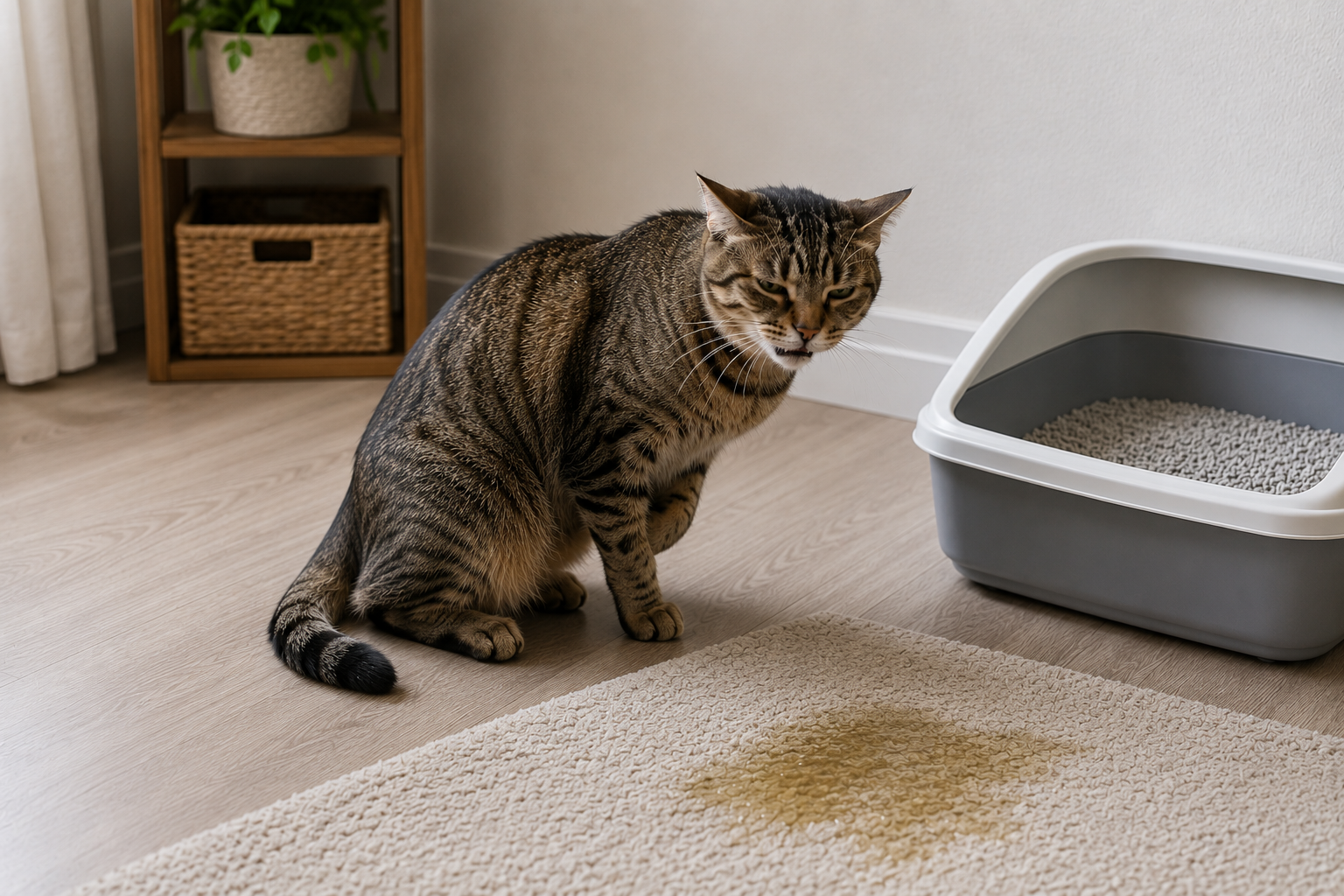
When a cat’s digestive routine feels off, their litter box habits may become less predictable. Some cats may visit the litter box more often, avoid their usual spot, leave messier stool, act more hesitant, or seem uncomfortable around normal bathroom routines. While litter box changes can happen for many reasons and should be watched carefully, daily digestive support can be a helpful part of a steady wellness routine. GCP Purrbiotics is a daily probiotic and prebiotic powder for cats that supports digestive health, gut balance, immune wellness, and healthy skin and coat with 5 billion CFU per scoop.
Why Litter Box Habits Can Change When Digestion Feels Off
Most cat parents know their cat’s routine better than they think. They know where their cat likes to nap, which window gets the best attention, what sound means food is coming, and how their cat normally uses the litter box. So when that routine changes, it can feel confusing. A cat who usually uses the box quietly may suddenly hesitate, visit more often, choose a different spot, or leave stool that looks different from normal.
Digestive discomfort is one possible reason a cat’s bathroom routine may shift. When a cat’s gut feels unsettled, the litter box can become part of that discomfort. Some cats may associate the box with an unpleasant feeling and start acting more cautious. Others may still use the box, but their stool may be softer, firmer, smell stronger, or become harder to clean.
It is important to be careful here. Litter box changes can also point to stress, litter preference, box cleanliness, household changes, territorial issues, urinary concerns, pain, or other health issues. A probiotic powder should never be positioned as a replacement for veterinary care. However, digestive wellness is still an important part of the bigger picture because gut balance, stool quality, immune wellness, and daily comfort are all connected to how steady a cat’s routine feels.
That is why a gentle, consistent approach matters. Cat parents do not need to panic over every small change, but they should pay attention. A steady routine, clean litter box, fresh water, familiar feeding schedule, and daily gut support can all help create a calmer foundation for everyday feline care.
What Cat Parents Usually Notice First
One of the first things cat parents may notice is a change in litter box timing. A cat may visit the box at unusual times, spend longer inside, or seem less settled before or after using it. Some cats may circle more, scratch more, or leave the box quickly. These changes do not always mean something serious is happening, but they are worth watching.
The second sign is stool consistency. Cat parents may notice stool that is softer than usual, harder than usual, smaller, larger, or less predictable. Because cats are naturally private animals, even a small change in the litter box can be one of the easiest ways to understand what may be happening in their daily routine.
The third sign is grooming or coat changes. Digestive wellness and skin and coat health are often discussed together because the body works as a connected system. A cat with an inconsistent routine may also seem less comfortable, groom differently, shed more noticeably, or have a coat that does not look as smooth as usual. These changes may have many causes, but they can remind pet parents that daily wellness support should look at the whole cat, not just one symptom.
The fourth sign is a change in mood or routine. Cats are creatures of habit. When they do not feel quite right, they may hide more, become pickier with food, avoid certain spaces, or seem less playful. These shifts can be subtle, which is why daily observation matters.
A litter box concern is not just a cleanup issue. It can affect the whole household. It can make cat parents worry, clean more often, change litter too quickly, or feel unsure about what their cat needs. A calmer approach starts with understanding what may be influencing the routine and supporting the basics every day.
The Gut Routine Behind Better Daily Comfort
A cat’s digestive system plays a major role in daily comfort. It helps break down food, supports nutrient use, contributes to stool formation, and works closely with the gut microbiome. The gut microbiome is the community of microorganisms living in the digestive tract, and it has become an important focus in pet wellness research.
A review published in Frontiers in Microbiology explains that food can shape the gastrointestinal microbiome in cats and dogs, and that many pet foods now include microbiome-targeted ingredients such as probiotics and prebiotics. The review also notes that nutrition may influence the composition and function of the microbiome, although more research is still needed to understand these relationships fully. This does not mean a probiotic product can fix litter box issues, but it does support the idea that daily nutrition and microbiome support are meaningful parts of feline wellness.
For cat parents, this can be understood in a simple way. The food your cat eats and the daily support you provide can influence the environment inside the gut. Probiotics help support gut balance. Prebiotics help nourish beneficial bacteria. Consistent feeding helps reduce unnecessary disruption to the digestive routine.
The goal is not to make dramatic promises. The goal is to support the everyday systems that help cats feel more comfortable and consistent. When your cat’s digestion, hydration, litter box setup, and daily routine are all supported, you create a better foundation for normal bathroom habits and overall wellness.
Cat Digestive Wellness and Litter Box Support Guide
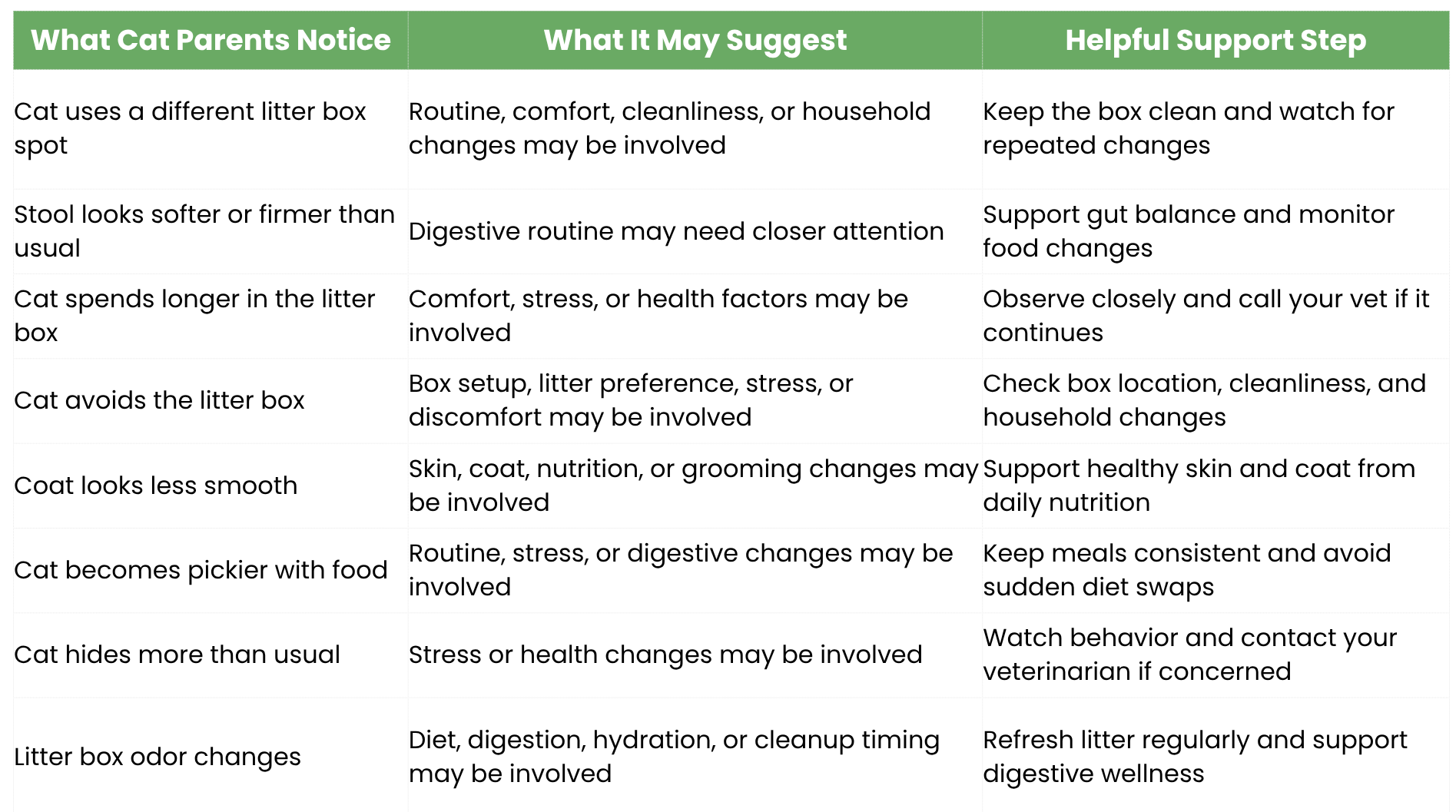
This guide helps cat parents think beyond the mess. Litter box changes are not always about “bad behavior.” Cats often communicate discomfort through routine changes, and the litter box is one of the places where those changes become visible first.
How to Build a Better Daily Digestive Routine for Cats
Start with consistency. Cats usually do best when meals happen at predictable times and changes are introduced slowly. Sudden food swaps, too many new treats, or an inconsistent feeding schedule may make the digestive routine harder to predict. If you need to change food, transition gradually unless your veterinarian gives different guidance.
Next, make the litter box inviting. Keep it clean, place it in a quiet and easy-to-access area, and avoid changing litter types too suddenly. Some cats are very particular about texture, scent, and location. A box that feels too dirty, too small, too hidden, or too exposed may create stress around bathroom habits.
Hydration also matters. Cats are not always enthusiastic water drinkers, so make fresh water easy to access. Some cats prefer fountains, wide bowls, or water placed away from food. Wet food may also help with hydration depending on your cat’s diet and your veterinarian’s recommendations.
Grooming is another helpful habit. Brushing can support coat care, reduce loose hair, and give cat parents a chance to notice changes in skin, coat, or body comfort. A cat’s coat can tell you a lot about how they are doing day to day.
Finally, consider daily gut support. A cat probiotic and prebiotic powder can be an easy addition to mealtime, especially when it has a flavor cats enjoy. The easier it is to use, the more likely pet parents are to stay consistent.
Supporting Gut Balance With GCP Purrbiotics
This is where GCP Purrbiotics fits naturally into a daily feline wellness routine. It is made for cats who need simple, everyday digestive support that can be added to meals without making the routine complicated.
GCP Purrbiotics is a probiotic and prebiotic powder with 5 billion CFU per scoop. It supports digestive health, gut balance, immune wellness, and healthy skin and coat. The chicken liver flavor makes it easier to mix into food, which is especially helpful for cat parents who know how picky cats can be.
This product should not be positioned as a cure for litter box problems, digestive disease, or behavioral issues. Instead, it supports the wellness foundation behind a steadier daily routine. Pair it with a clean litter box, consistent feeding, fresh water, grooming, and regular veterinary guidance.
For cat parents, that kind of routine feels realistic. You are not trying to overhaul your cat’s whole life in one day. You are adding one simple step that supports gut balance from the inside out while continuing the everyday care your cat already needs.
Frequently Asked Questions
-
Cats may change litter box habits because of cleanliness, stress, litter preference, box location, digestive discomfort, urinary concerns, or other health changes. If the change continues or comes with straining, blood, frequent attempts, vomiting, low appetite, or unusual behavior, contact your veterinarian.
GCP Purrbiotics for Cats
GCP Purrbiotics is a daily probiotic and prebiotic powder made specifically for cats. With 5 billion CFU per scoop and a chicken liver flavor, it is designed to support digestive health, gut balance, immune wellness, and healthy skin and coat as part of a consistent routine.
Benefits:
-
Supports digestive health
-
Helps support gut balance
-
Supports immune wellness
-
Supports healthy skin and coat
-
Provides 5 billion CFU per scoop
-
Includes probiotic and prebiotic support
-
Chicken liver flavor cats can enjoy
-
Easy to mix into daily meals
-
Great for daily feline wellness routines
-
120 servings per jar
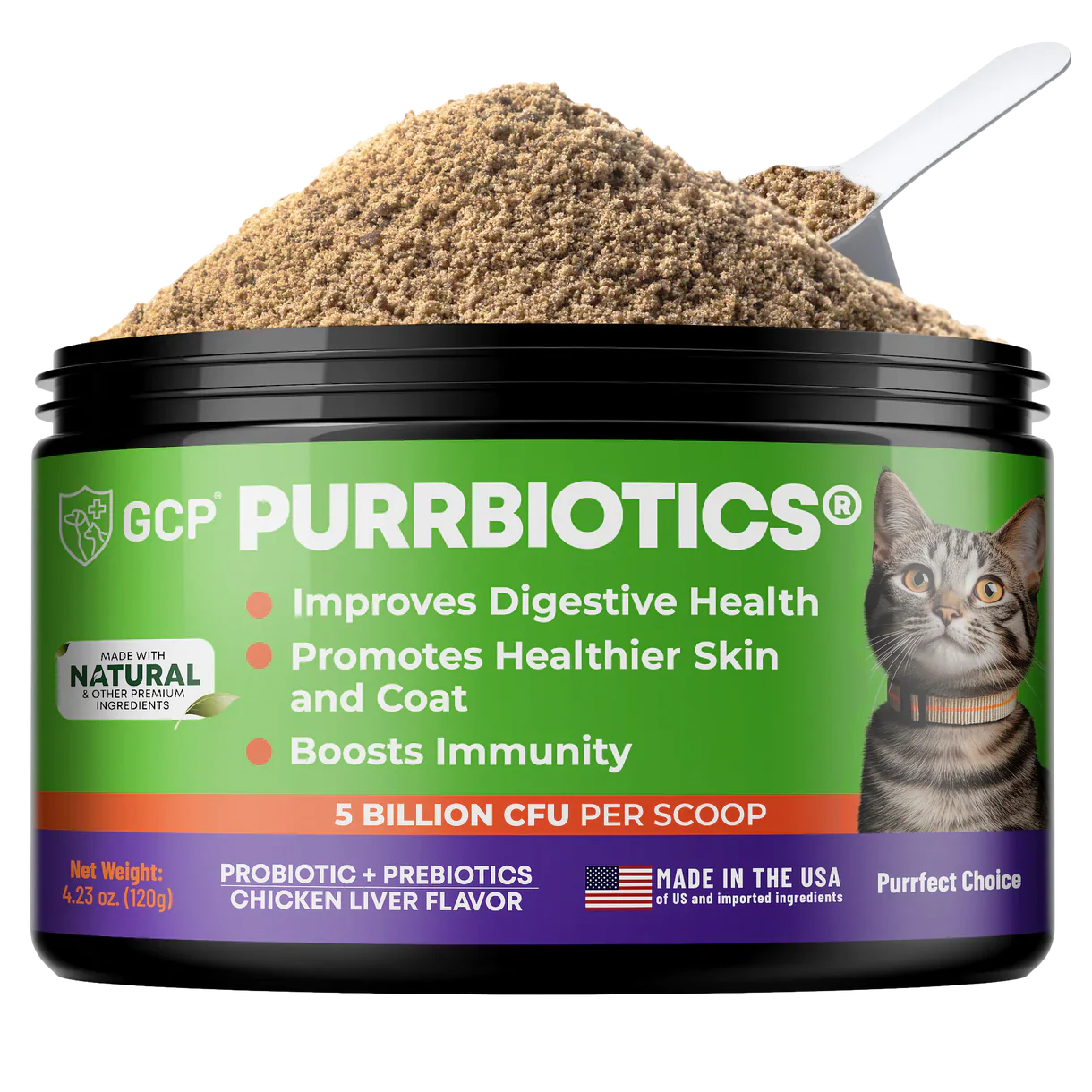
If your cat’s litter box routine has made you pay closer attention to their digestion, GCP Purrbiotics offers a simple daily support option. Add it to your cat’s meals as directed, and pair it with clean litter, fresh water, steady feeding habits, grooming, and veterinary guidance when needed.
Citation: Wernimont, S. M., Radosevich, J., Jackson, M. I., Ephraim, E., Badri, D. V., MacLeay, J. M., Jewell, D. E., & Suchodolski, J. S. (2020). The effects of nutrition on the gastrointestinal microbiome of cats and dogs: Impact on health and disease. Frontiers in Microbiology, 11, Article 1266. https://doi.org/10.3389/fmicb.2020.01266
For all general inquiries, please contact us at info@guardianschoice.com
© Copyright. All rights reserved.