
Beyond the Itch: Managing Adverse Reactions in Sensitive Cats
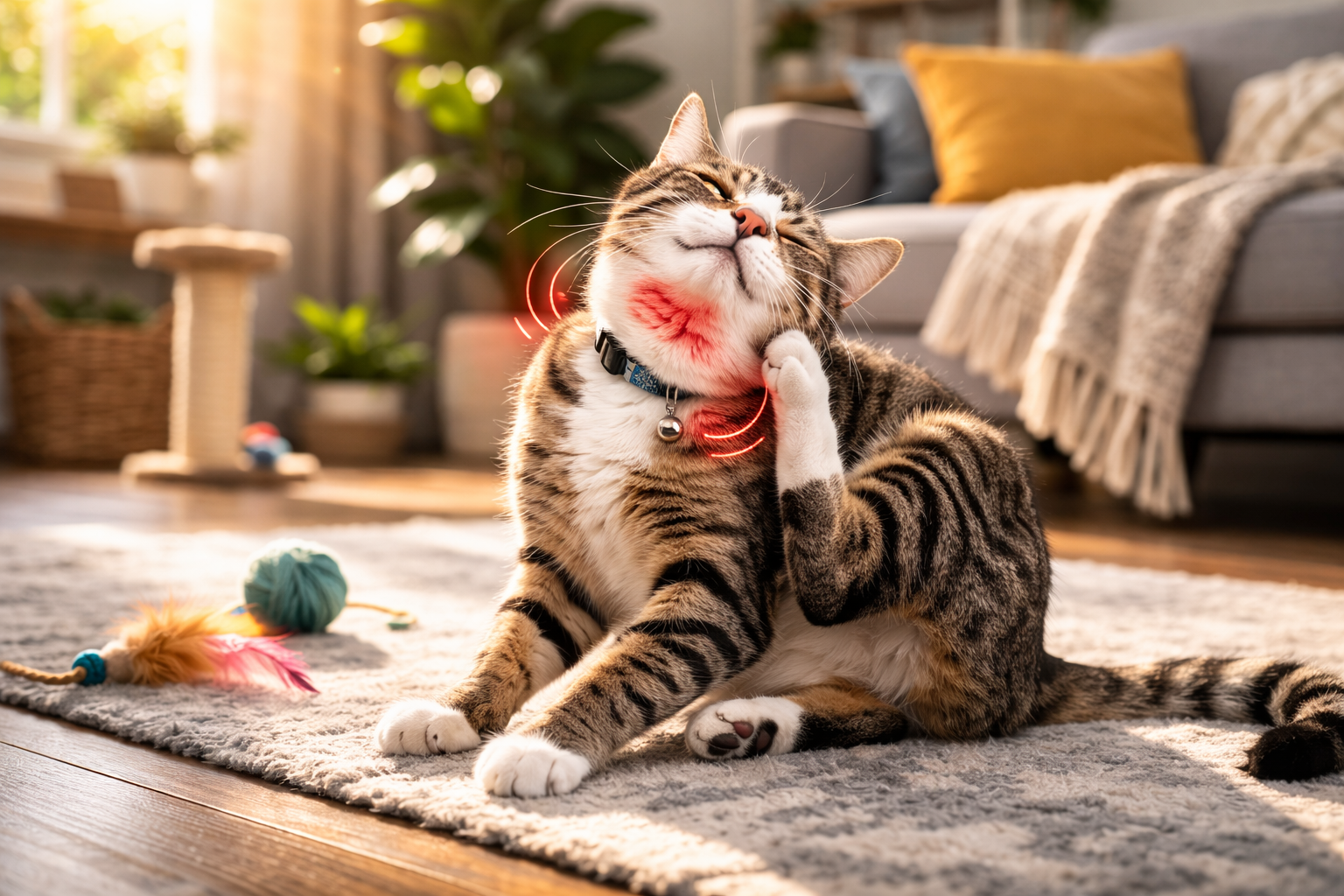
Quick Summary: Managing Feline Sensitivities
-
Identify: Look for "millet-seed" bumps (Miliary Dermatitis) or symmetrical bald patches.
-
Diagnose: Use a strict 8–12 week elimination diet and vet-led skin cytology to find the root cause.
-
Manage: Strengthen the skin barrier from the inside out using Guardian’s Choice Probiotics Purrbiotics and L-Lysine to modulate immune response and reduce inflammation.
Every cat owner knows the sound: the rhythmic scritch-scratch or the frantic licking of a feline in distress. While grooming is a hallmark of a healthy cat, there is a fine line between a clean coat and a medical emergency. When "normal" grooming becomes an obsessive cycle of biting and scratching, your cat may be suffering from an adverse reaction.
Managing a sensitive cat requires more than just a topical cream; it requires a deep dive into the triggers that cause these reactions. From environmental atopy to food-induced hypersensitivity, understanding the "why" behind the itch is the first step toward relief.
Recognizing the Signs of a Sensitive Cat
Before you can treat the reaction, you must identify it. Cats are masters at hiding discomfort; as a species that is both predator and prey, showing vulnerability is not in their nature. This often means they become "closet groomers," retreating to quiet spaces to lick and bite at their skin until significant damage is done. By the time an owner notices a bald patch, the underlying inflammation has likely been brewing for weeks.
To get ahead of the discomfort, you need to know exactly what an adverse reaction looks like. Here is a deeper look at the clinical signs of a sensitive cat:
Miliary Dermatitis: The "Sandpaper" Texture
Named after the Latin word milium (meaning millet seed), this condition is one of the most common indicators of an allergy—particularly to fleas.
-
What to look for: You may not see these bumps through the fur, but you will feel them. When you stroke your cat’s back or neck, the skin feels gritty, like sandpaper or tiny scabs.
-
The Reaction: These are small, crusty papules that erupt when the immune system overreacts to an external trigger. They are intensely itchy, leading the cat to twitch their skin or bite at the base of their tail.
Symmetrical Alopecia: The Mystery of the Bald Belly
Often mistaken for "stress licking" or "psychogenic alopecia," symmetrical hair loss is usually a physical response to an itch rather than a mental health issue.
-
What to look for: Look for thinning hair or "stubble" on the inner thighs, the underside of the belly, or the back of the legs. The hair loss is usually mirrored on both sides of the body.
-
The "Broken Hair" Test: If you look closely at the bald area and see short, prickly shafts of hair, your cat isn't losing their hair—they are licking it off. This "barbering" is a clear sign that the skin underneath is inflamed.
Head and Neck Pruritus: The Most Distressing Sign
When a cat focuses their scratching on the face, ears, and neck, it is often a hallmark of a food-induced hypersensitivity.
-
What to look for: You may notice your cat "bunny kicking" at their ears or rubbing their face frantically against furniture. This often leads to "hot spots"—raw, weeping sores that can appear almost overnight.
-
Why it’s serious: Because the skin on the face is thin and the claws are sharp, cats can cause significant self-trauma (excoriation) very quickly, leading to permanent scarring or ear hematomas.
Secondary Infections: The "Yeasty" Warning
An adverse reaction compromises the skin's natural defense barrier. Once that barrier is breached by constant scratching and saliva, opportunistic bacteria and yeast move in.
-
The Smell: Healthy cats shouldn't have a strong odor. If your cat smells slightly like musty corn chips or old socks, it is a sign of a yeast overgrowth.
-
The Appearance: The skin may look "greasy," red, or abnormally dark (hyperpigmentation). In chronic cases, the skin can thicken and take on an elephant-like texture.
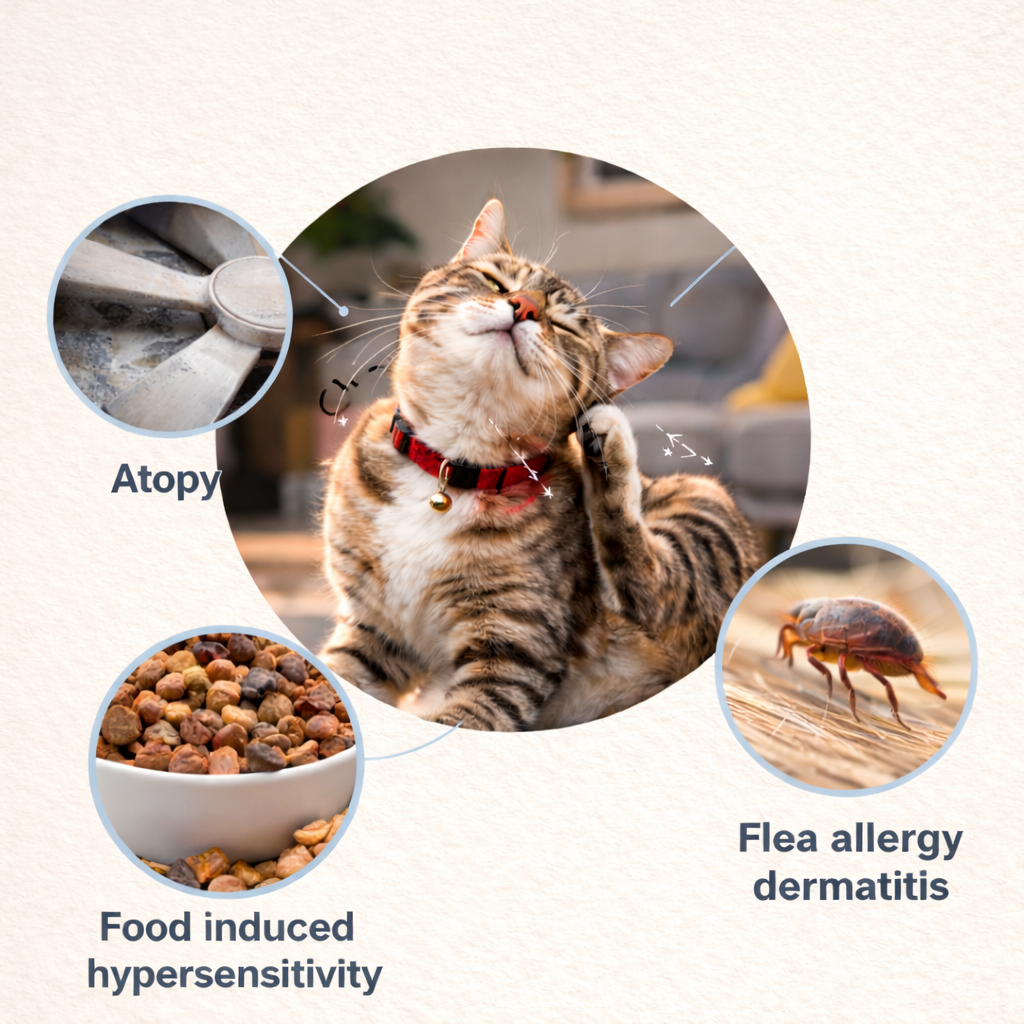
Common Triggers for Adverse Reactions
Most feline sensitivities fall into three primary categories. Identifying which one affects your cat is the "detective work" of feline health.
Environmental Allergens (Atopy)
Just like humans, cats can react to pollen, dust mites, mold, and even household perfumes. These allergens often enter the home through open windows or on our clothes. Because cats groom themselves, they effectively "lick" these allergens off their fur and into their systems, worsening the reaction.
Food-Induced Hypersensitivity
Food allergies are often triggered by common proteins like beef, chicken, or fish. Unlike seasonal allergies, food-induced reactions often persist year-round and may be accompanied by gastrointestinal upset, such as frequent vomiting or diarrhea.
Flea Allergy Dermatitis (FAD)
For a sensitive cat, a single flea bite can trigger a two-week-long inflammatory response. It isn't the flea itself that causes the itch, but the proteins in its saliva.
The Diagnostic Journey: Playing Pet Detective
Because many skin conditions look identical to the naked eye, a systematic approach is the only way to find a permanent solution. Your veterinarian will likely recommend a "step-up" diagnostic process.
The Elimination Diet Trial
If a food allergy is suspected, the elimination trial is the gold standard. For 8 to 12 weeks, your cat must eat a novel protein (a protein they have never had before, like rabbit or venison) or a hydrolyzed diet (where proteins are broken down so small the immune system can’t "see" them).
-
The "One Treat" Rule: This is the hardest part for owners. A single crumb of chicken-flavored kibble or a lick of a yogurt cup can reset the entire 12-week clock. For the trial to work, the "prescription" food must be the only thing that passes your cat's lips.
Skin Cytology vs. Blood Tests
-
Skin Cytology: Your vet will take a piece of clear tape or a glass slide and press it against your cat's skin. Under the microscope, they look for bacteria (cocci) or yeast (Malassezia). Identifying these allows for targeted treatment rather than "guessing" with antibiotics.
-
Blood/Intradermal Testing: While blood tests for food allergies are often unreliable, they are excellent for identifying environmental triggers like specific grasses, trees, or dust mites.
Management & Solutions: Beyond the Vet’s Office
Medical intervention stops the immediate fire, but daily management keeps the embers from reigniting.
Nutritional Support: Repairing the Barrier
The skin is the body's largest organ, and it requires specific building blocks to stay "waterproof."
-
The Role of Omega-3s: Fatty acids found in high-quality fish oils act as a natural anti-inflammatory. They help "glue" skin cells together, preventing allergens from penetrating the deeper layers of the dermis.
-
Immune Modulation: This is where Guardian’s Choice Purrbiotics shine. By maintaining a healthy gut-skin axis, you are training your cat’s immune system to be less "reactive" to minor environmental changes.
Topical Relief and Safety
While it is tempting to reach for a human "anti-itch" cream, never apply human medications to your cat unless directed by a vet. Many contain hydrocortisone or lidocaine, which can be toxic if licked off. Instead, look for feline-specific mousses or wipes containing chlorhexidine or phytosphingosine.
Environmental Control
-
Wash the Bedding: Use "Free and Clear" detergents. Dust mites love cat beds; washing them weekly in hot water can significantly reduce the allergen load.
-
Air Quality: HEPA air purifiers can capture the microscopic pollen and dander that trigger head and neck pruritus.
-
Consistent Prevention: Use a gentle, plant-based solution like Guardian’s Choice Flea & Tick Prevention Natural Defense Chews year-round. Even in winter, a single flea brought in on a guest's clothing can cause a sensitive cat to flare up.
When to See a Specialist
Most skin issues can be managed by a general practitioner, but you should ask for a referral to a Board-Certified Veterinary Dermatologist if:
-
Your cat’s skin has a foul odor, pus, or feels hot to the touch (signs of deep pyoderma).
-
The itching persists despite being on a strict elimination diet and flea prevention.
-
Your cat requires long-term steroid use to stay comfortable, as steroids can have significant side effects in the long run.
Targeted Solutions with Guardian’s Choice Pet
Managing a sensitive cat requires a multi-modal approach—addressing the immune system from the inside out while protecting the skin barrier.
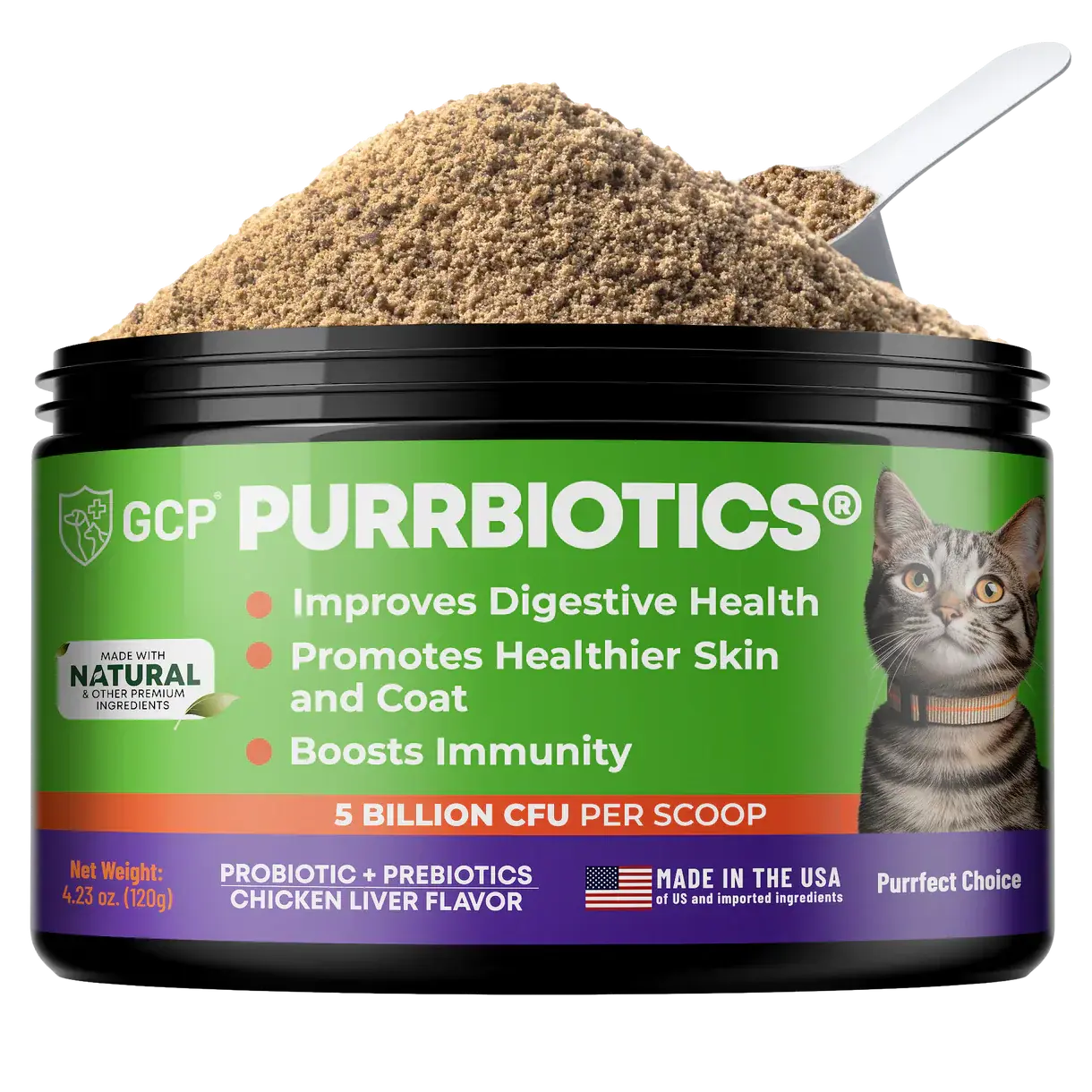
Support from the Inside: The Gut-Skin Connection
Science has shown that roughly 70% of a cat’s immune system resides in the gut. When the gut microbiome is unbalanced, it can lead to systemic inflammation that manifests as itchy, red skin.
-
Guardian’s Choice Purrbiotics: By introducing beneficial bacteria like Lactobacillus and Bifidobacterium, you can help modulate your cat's immune response to allergens. Probiotics help strengthen the intestinal barrier, preventing "leaky gut" and the subsequent inflammatory flare-ups that lead to scratching.
Boosting Immunity and Resilience
Sensitive cats are often more prone to secondary issues when their immune systems are taxed by constant allergic reactions.
-
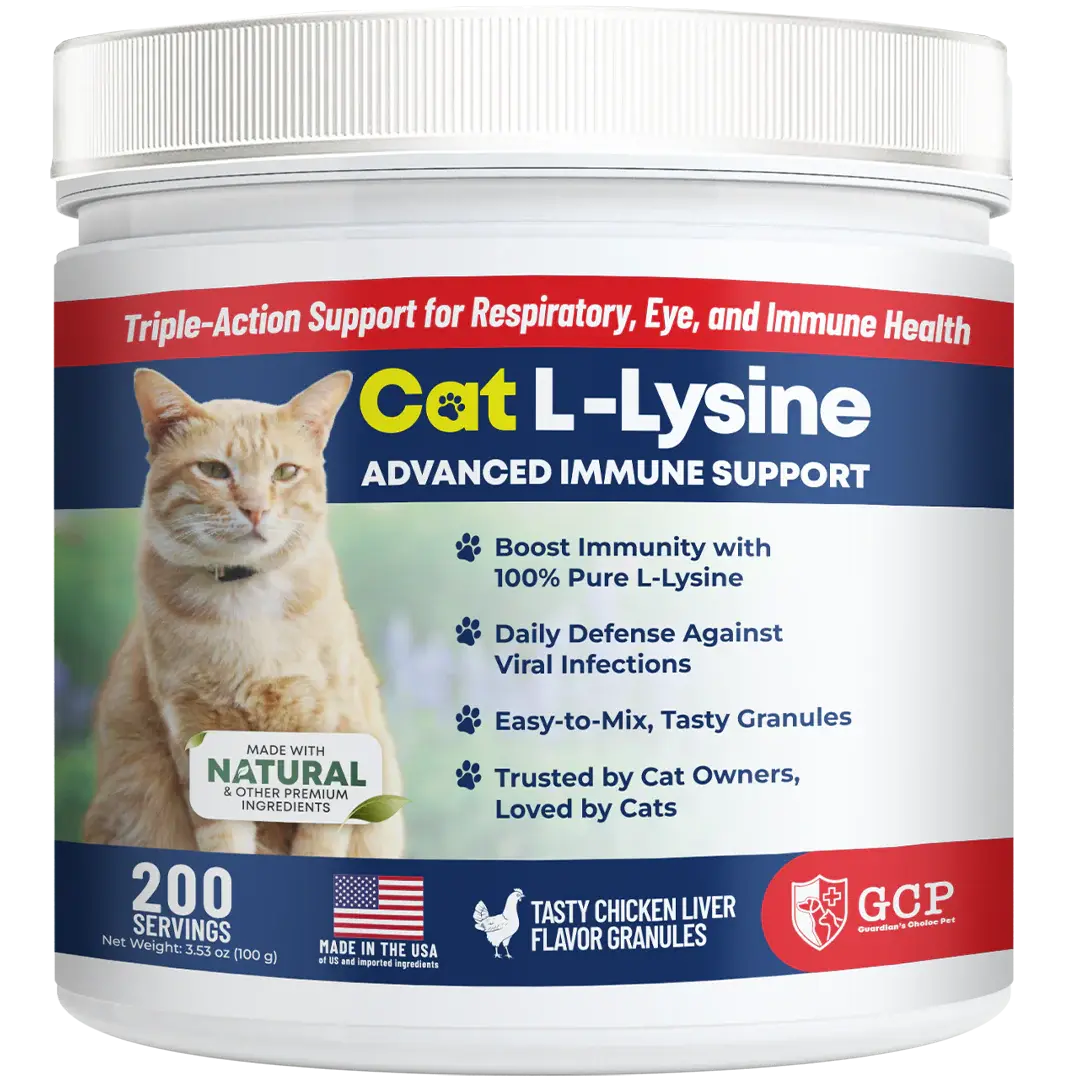
Guardian’s Choice L-Lysine: This essential amino acid is a powerhouse for feline immune support. While it is widely used to manage respiratory symptoms like sneezing and congestion, it also supports the body's overall ability to handle stressors that can trigger skin flare-ups.
Natural Defense Against External Triggers
Chemical-heavy flea treatments can sometimes irritate the skin of a truly sensitive cat.
-
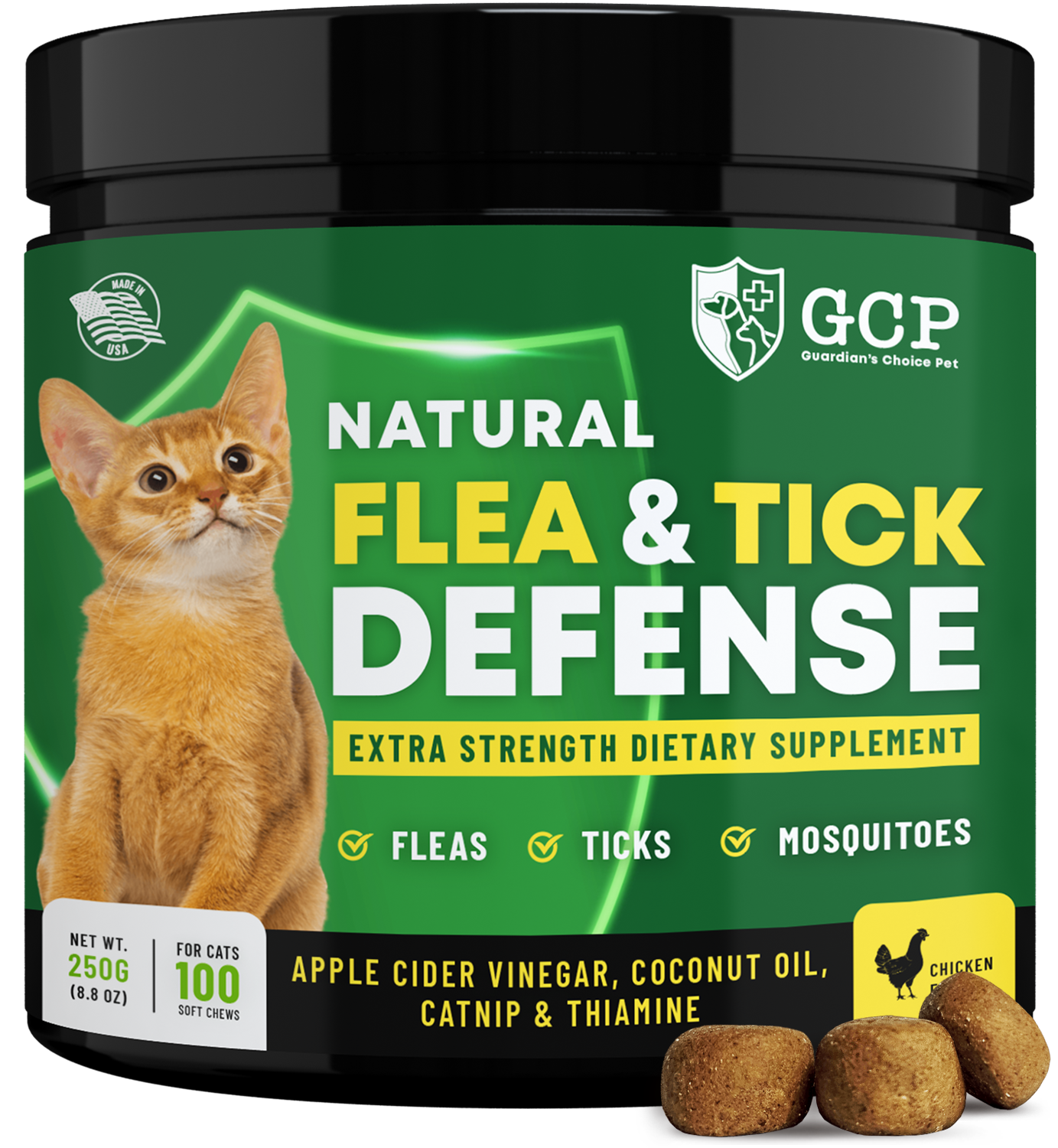
Guardian’s Choice Flea & Tick Natural Defense Chews: For cats that react poorly to harsh synthetics, natural repellents using plant-based ingredients offer a gentler alternative. Using natural oils like cedarwood or peppermint can help repel pests without stripping the skin of its essential oils.
Home Management Tips for Immediate Relief
While supplements and diets do the heavy lifting, you can provide immediate relief at home with these vet-approved steps:
-
Cool Water Rinses: If your cat allows it, a tepid water rinse can physically remove environmental allergens from their coat.
-
Air Purification: Using a HEPA filter can significantly reduce the amount of dust and pollen in your cat’s environment.
-
Omega-3 Fatty Acids: Supplementing your cat’s diet with fish oil helps repair the skin's lipid barrier, keeping moisture in and irritants out.
-
Regular Brushing: This helps remove loose hair and allergens before the cat licks them off, reducing the risk of hairballs and skin irritation.
Feline Skin Sensitivities: Frequently Asked Questions
-
This is one of the most common frustrations for cat owners. If fleas have been ruled out, the "itch" is usually caused by Atopy (environmental allergies like dust mites and pollen) or a Food Sensitivity. Even indoor cats can suffer from environmental triggers brought in on your shoes or clothes. Supporting their immune system with a daily dose of Guardian’s Choice L-Lysine can help their body manage these invisible irritants more effectively, reducing the systemic inflammation that leads to scratching.
The Path to Comfort: A Happier, Itch-Free Future
Managing a sensitive cat is a marathon, not a sprint. There is rarely a "magic pill" that works overnight. Instead, success comes from a combination of environmental awareness, strict nutrition, and high-quality supplementation.
By supporting your cat’s immune system with Guardian’s Choice L-Lysine and protecting their gut health with Purrbiotics, you are giving them the tools to heal from the inside out. With patience, your cat’s coat can return to its former silky glory, and those midnight scratching sessions can finally become a thing of the past.
For all general inquiries, please contact us at info@guardianschoice.com
© Copyright. All rights reserved.