Beyond the Fetch: Why Your Dog’s Brain Needs a Workout
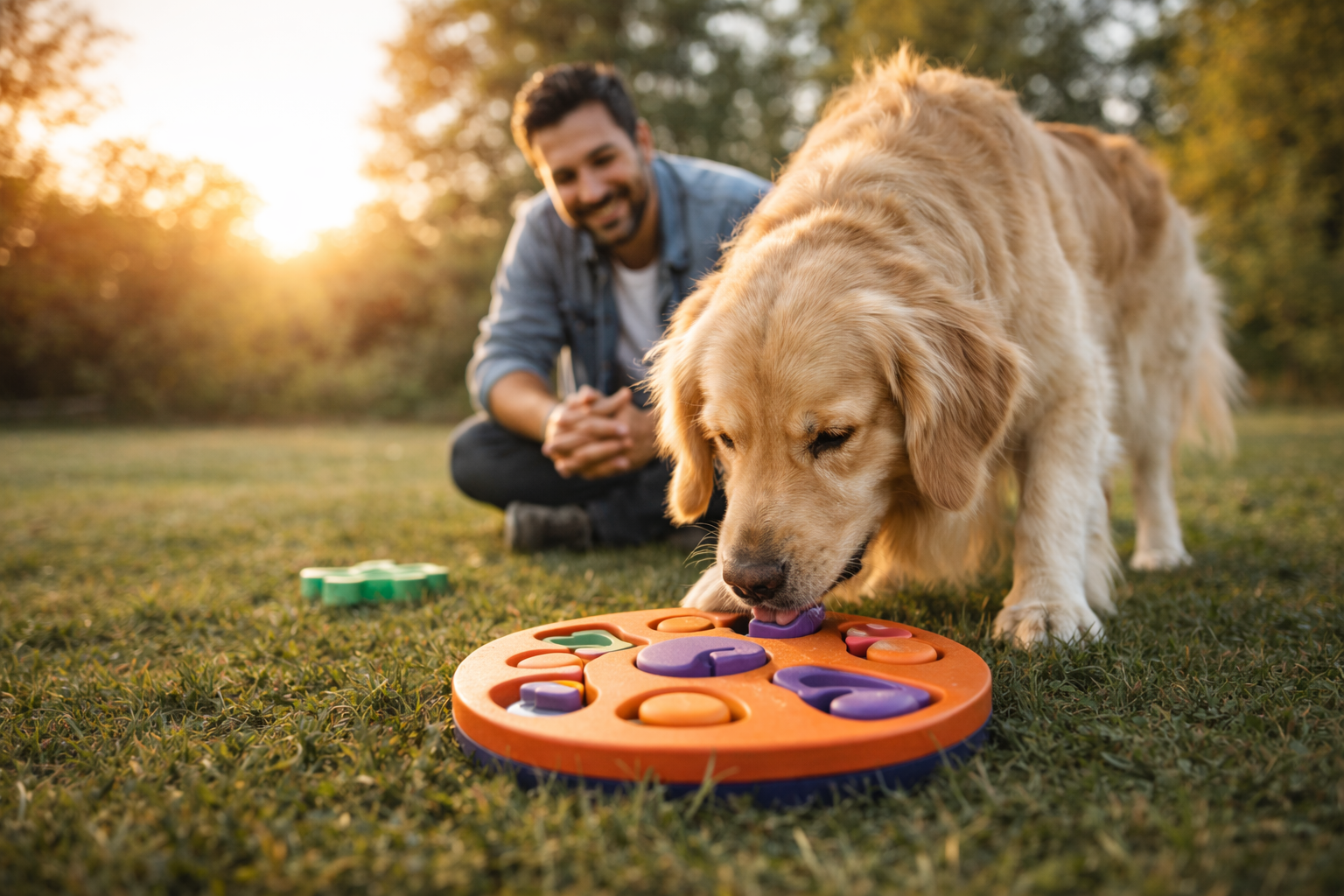
Daily walks keep your dog physically healthy, but mental stimulation is just as important for long-term wellbeing. Brain games, scent work, and training help reduce boredom, anxiety, and destructive behaviors while strengthening cognitive function. Pairing mental enrichment with brain-supportive nutrients like Omega-3s—such as those found in GCP OmegaPaws Premium Krill Omega-3 Soft Chews—helps support skin, coat, joint health, and overall neurological wellness.
The Brain-Body Connection in Dogs
When most people think about keeping their dog healthy, they imagine long walks, games of fetch, or trips to the dog park. Physical exercise is undeniably important, but focusing only on physical activity overlooks a crucial part of canine wellness: mental stimulation. Dogs are intelligent animals that evolved as hunters, trackers, and problem solvers. Their brains are wired to explore, investigate scents, and make decisions about their environment.
When these instincts are not regularly engaged, dogs can become bored or restless. This often manifests in ways pet parents find frustrating—chewing furniture, digging in inappropriate places, excessive barking, or sudden bursts of hyperactivity known as “zoomies.” In reality, these behaviors are often signs that a dog’s brain is under-stimulated rather than misbehaving intentionally.
Mental engagement activates reward pathways in the brain, releasing neurotransmitters such as dopamine and serotonin. These chemicals play a role in mood regulation, stress management, and emotional balance. When a dog engages in problem-solving activities, their brain experiences a satisfying sense of accomplishment similar to what humans feel after solving a puzzle or completing a challenging task.
Combining physical exercise with cognitive enrichment creates a balanced lifestyle for dogs. A dog that receives both types of stimulation tends to be calmer, more confident, and more adaptable to changes in their environment.
Why Mental Stimulation Prevents Destructive Behavior
Dogs that lack mental stimulation often attempt to create their own entertainment. Unfortunately, their version of entertainment rarely aligns with human expectations. Chewed shoes, shredded cushions, and overturned trash cans are classic signs of a bored dog seeking stimulation.
Mental challenges provide constructive outlets for energy and curiosity. Activities that involve scent tracking, searching, or learning new commands engage the dog’s natural instincts and encourage focus. Over time, this reduces anxiety and helps build what scientists call “cognitive reserve.”
Cognitive reserve refers to the brain’s ability to adapt and remain resilient over time. Just like humans who regularly challenge their minds with puzzles or learning experiences tend to maintain sharper cognitive function as they age, dogs benefit from mental engagement throughout their lives.
This is particularly important for senior dogs. As dogs age, their brain function naturally slows. Without regular stimulation, cognitive decline can accelerate, sometimes leading to canine cognitive dysfunction, a condition similar to dementia in humans. By incorporating brain games early and maintaining them throughout life, pet parents can help support mental sharpness well into their dog’s later years.
Simple Ways to Boost Your Dog’s Brainpower
Supporting your dog’s mental health does not require complicated training routines or expensive equipment. Many enrichment activities can be incorporated into daily routines with minimal effort while providing significant cognitive benefits.
Scent Work Games
Dogs experience the world primarily through their sense of smell. Their noses contain millions more scent receptors than humans, allowing them to detect subtle changes in scent patterns that are invisible to us. Scent work games tap into this natural ability and create engaging mental challenges.
A simple scent activity involves hiding small treats around the house and encouraging your dog to find them. Start with easy hiding spots and gradually increase difficulty as your dog becomes more skilled. This game stimulates problem solving and encourages independent thinking while providing a satisfying reward when the treats are discovered.
Puzzle Feeding and Interactive Meals
Traditional feeding methods often allow dogs to consume their meals quickly with minimal effort. Puzzle feeders transform mealtime into a mental workout. These devices require dogs to manipulate compartments or solve simple challenges to access their food.
Puzzle feeding slows down eating while stimulating cognitive engagement. Dogs must focus, strategize, and persist to complete the task. Over time, this type of feeding can help reduce boredom and encourage calmer behavior throughout the day.
Training and Learning New Tricks
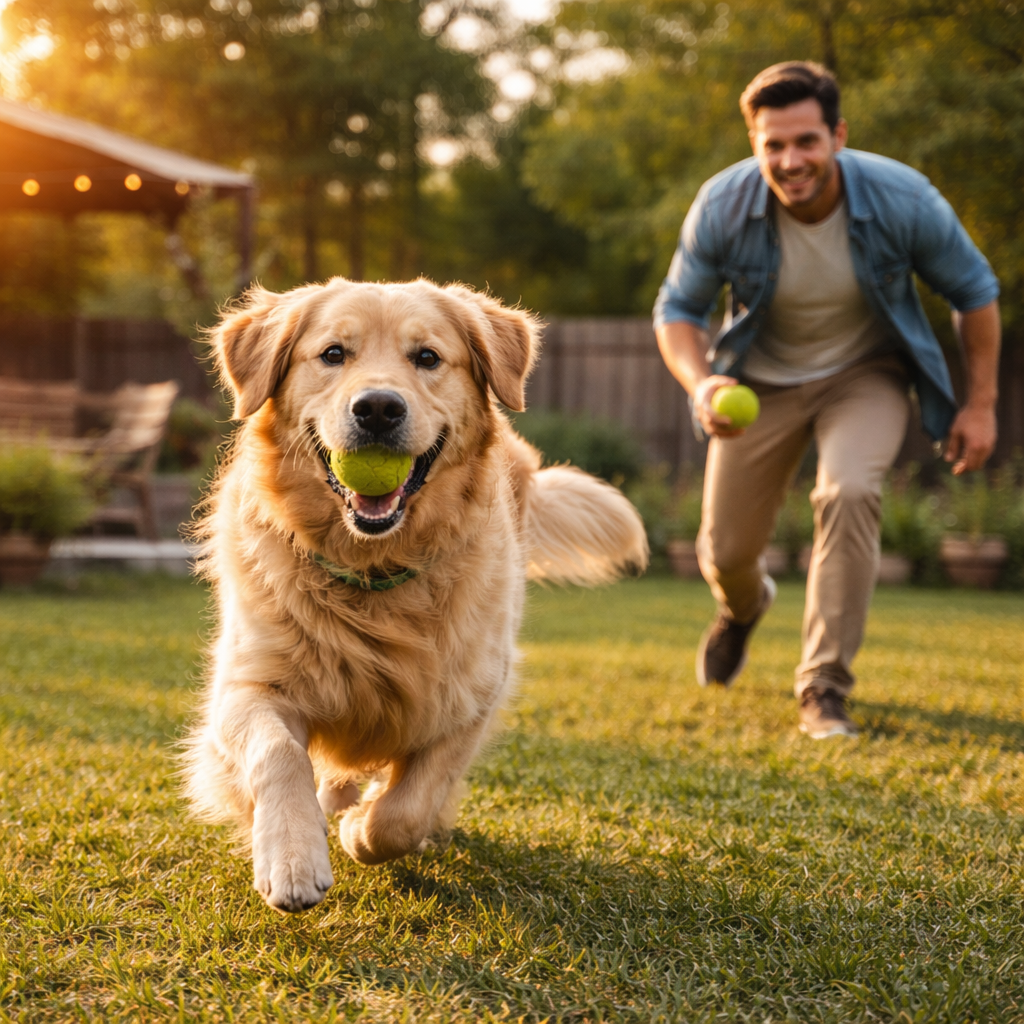
Many pet parents believe that training is primarily for puppies, but learning continues throughout a dog’s lifetime. Even five minutes of daily training can significantly improve mental engagement and strengthen the bond between dog and owner.
Teaching new tricks stimulates the brain while reinforcing communication between pet and parent. Simple commands such as “spin,” “touch,” or “find it” challenge dogs to think, remember cues, and respond appropriately. This ongoing learning keeps neural pathways active and strengthens problem-solving skills.
Nutritional Support for Cognitive Health
Mental stimulation alone is powerful, but the brain also requires the right nutrients to function effectively. Just like the human brain depends on specific nutrients for memory, focus, and emotional stability, the canine brain relies on essential fatty acids and antioxidants to maintain optimal performance.
Omega-3 fatty acids are among the most important nutrients for neurological health. These compounds play a role in maintaining healthy cell membranes in the brain, supporting communication between neurons, and reducing inflammatory stress within the nervous system.
Because dogs cannot efficiently produce Omega-3 fatty acids on their own, they must obtain them through diet or supplementation. Ensuring consistent intake of high-quality Omega-3s helps support not only brain health but also skin, coat, and joint function.
Why Omega-3s Matter for the Canine Brain
Omega-3 fatty acids contribute to multiple physiological processes that influence brain health. They help maintain fluidity in neuronal cell membranes, allowing signals to travel efficiently between brain cells. This communication is essential for learning, memory formation, and emotional regulation.
Omega-3s also play a role in managing inflammation. Chronic inflammation can negatively impact both physical and neurological health, particularly in aging dogs. By supporting healthy inflammatory responses, Omega-3 nutrients help maintain comfort and cognitive clarity.
In addition to brain health, Omega-3 fatty acids support visible aspects of wellness such as skin hydration and coat shine. Many pet parents first notice the benefits of Omega-3 supplementation through improvements in coat softness and reduced itching or shedding.
How GCP OmegaPaws Supports Brain, Skin, and Joint Health
Supporting your dog’s cognitive wellness requires both mental engagement and proper nutrition. GCP OmegaPaws Premium Krill Omega-3 Soft Chews provide a convenient way to deliver essential fatty acids that contribute to overall health.
Formulated with premium krill-derived Omega-3s and powered by Orill™ pet ingredients, these soft chews are designed to support multiple aspects of canine wellness simultaneously. The formula helps reduce itching and shedding while promoting healthy skin and coat condition. Additionally, Omega-3 fatty acids support joint comfort and mobility, making OmegaPaws beneficial for both active dogs and aging companions.
Because the brain relies on fatty acids for neural function, consistent Omega-3 intake also supports cognitive resilience. When combined with daily enrichment activities such as scent games and interactive play, OmegaPaws becomes part of a comprehensive approach to mental and physical wellbeing.
The soft chew format and delicious chicken flavor make supplementation easy to incorporate into daily routines. Rather than struggling with capsules or liquids, pet parents can provide Omega-3 support in a treat-like form that dogs enjoy.
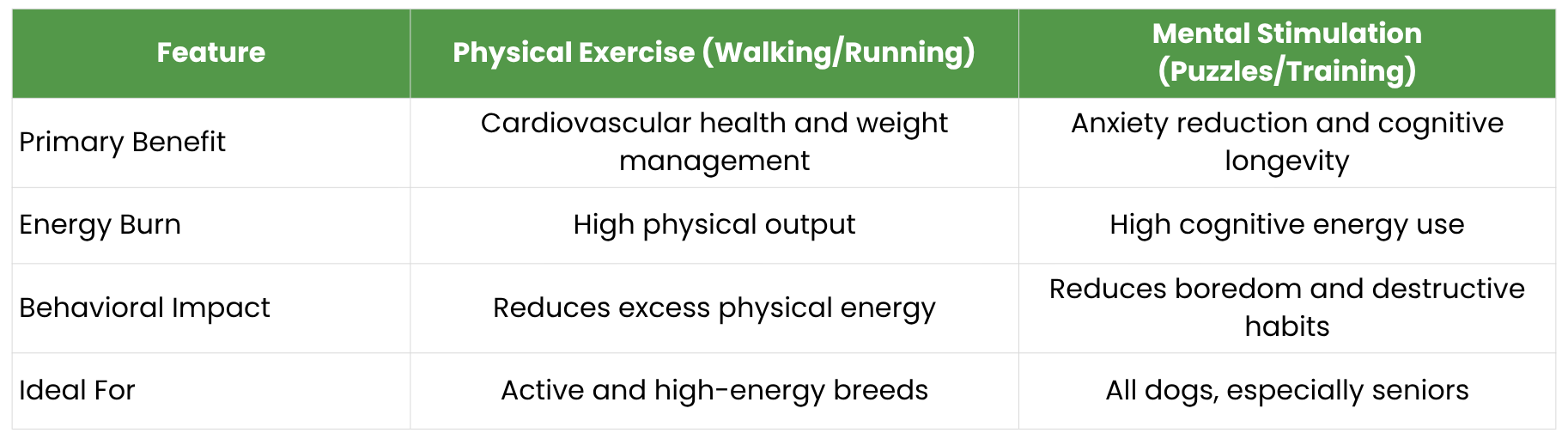
Physical Exercise vs Mental Exercise
Frequently Asked Questions
-
Most dogs benefit from about 15–20 minutes of dedicated mental enrichment each day. This can include scent games, puzzle feeders, training sessions, or interactive play.
Supporting your dog’s brain health goes beyond throwing a ball or taking a walk. Mental engagement, structured play, and proper nutrition work together to create a balanced lifestyle that keeps dogs happy, calm, and mentally sharp. By combining enrichment activities with nutrient support from GCP OmegaPaws Premium Krill Omega-3 Soft Chews, pet parents can help their dogs maintain cognitive vitality, healthy skin and coat, and joint comfort throughout every stage of life.
For all general inquiries, please contact us at info@guardianschoice.com
© Copyright. All rights reserved.